
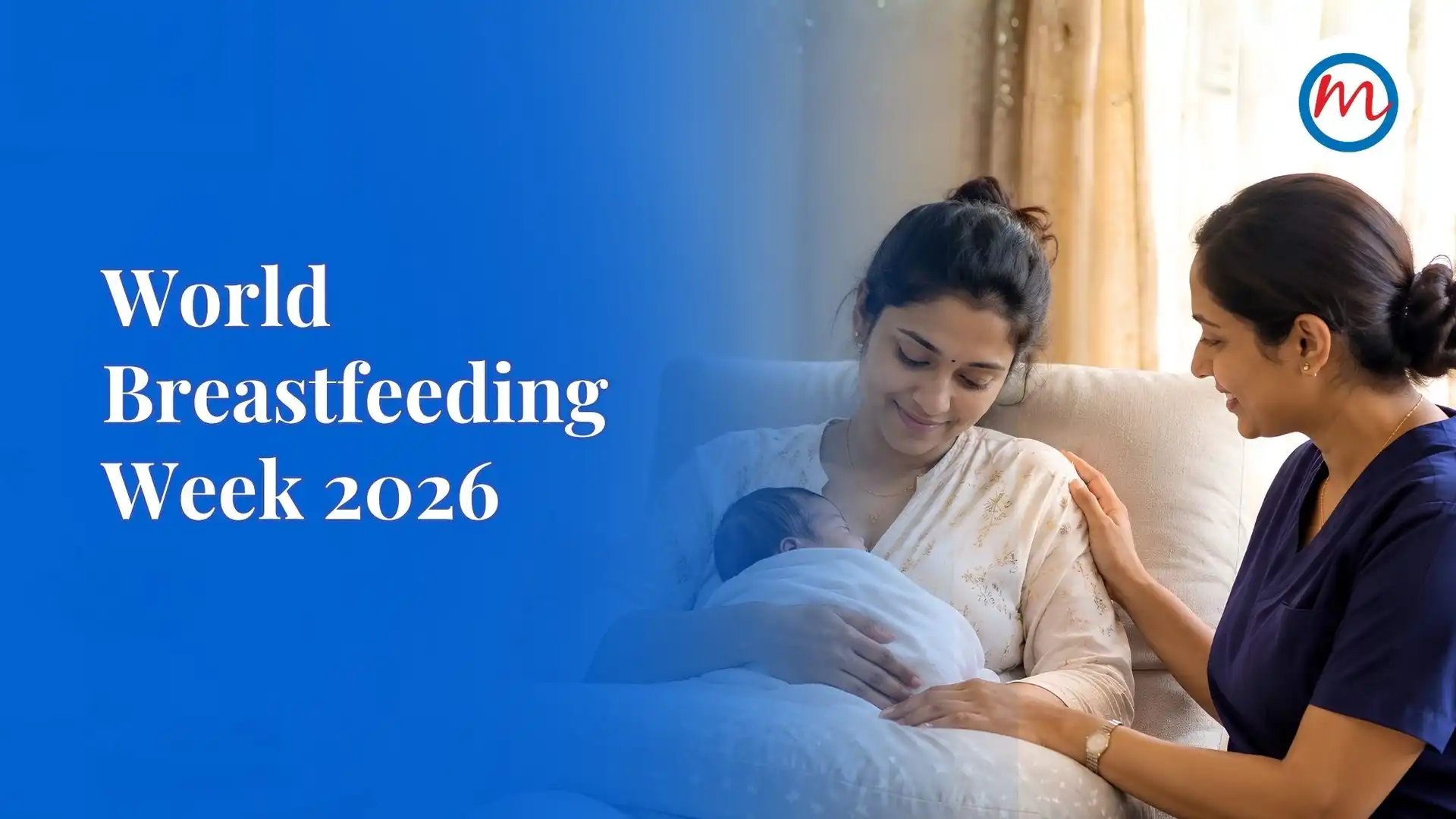
Every year, World Breastfeeding Week 2026 is observed from August 1 to August 7 to spread awareness about the importance of breastfeeding and to encourage families, healthcare professionals and communities to support mothers during their breastfeeding journey. The World Breastfeeding Week 2026 theme, “Breastfeeding for a Sustainable Start in Life: Strengthen What Works,” is coordinated globally by the World Alliance for Breastfeeding Action (WABA) and reminds us that breastfeeding is one of the simplest and most effective ways to give every child a healthy beginning while improving the health of mothers.
Breastfeeding is more than just feeding a baby. It provides complete nutrition, strengthens immunity, supports healthy growth and creates a strong emotional bond between mother and baby. It also helps mothers recover after childbirth and lowers the risk of several health conditions later in life.
Many new mothers have questions like Am I producing enough milk? What should I eat while breastfeeding? Is breastfeeding safe if I have diabetes? What should I do if breastfeeding is painful? These concerns are common and can usually be managed with the right advice and support.
At Dr. Mohan’s Diabetes Specialities Centre, we believe every mother deserves the right guidance to make breastfeeding a comfortable and rewarding experience. In this World Breastfeeding Week 2026 guide, our experts explain the benefits of breastfeeding, the best breastfeeding diet, common breastfeeding problems, available treatment options and special advice for mothers living with diabetes.
What Is Breastfeeding?
Breastfeeding is the natural way of feeding a baby with breast milk. Breast milk contains the right balance of proteins, healthy fats, vitamins, minerals and antibodies that help babies grow and stay healthy.
During the first few days after delivery, mothers produce a thick yellow milk called colostrum. Often known as liquid gold, colostrum is rich in nutrients and disease fighting antibodies that protect newborn babies from infections. As the baby grows, breast milk changes to meet the baby’s nutritional needs.
The World Health Organization (WHO) recommends exclusive breastfeeding for the first six months. This means the baby should receive only breast milk without water, formula or other foods unless advised by a doctor. After six months, breastfeeding should continue along with healthy complementary foods until two years of age or beyond.
Why Is Breastfeeding Important? World Breastfeeding Week 2026 Reminder
Breastfeeding is one of the best investments in a child’s health. It gives babies the nutrition they need while protecting them from many illnesses during infancy and later in life.
For mothers, breastfeeding supports recovery after delivery and offers several long term health benefits. It also reduces healthcare costs by lowering the chances of illness in both mother and baby.
Benefits of Breastfeeding for Babies
Breast milk is often called nature’s perfect food because it contains everything a baby needs during the first six months of life.
Some of the important breastfeeding benefits for babies include:
- Complete nutrition for healthy growth.
- Stronger immunity that protects against infections.
- Lower risk of diarrhoea, cough, cold and ear infections.
- Better brain development and learning ability.
- Healthy weight gain.
- Lower risk of childhood obesity.
- Reduced risk of developing type 1 diabetes and type 2 diabetes later in life.
- Better emotional bonding with the mother.
Breastfed babies also recover faster from common illnesses because breast milk contains natural antibodies that help fight infections.
Benefits of Breastfeeding for Mothers
Breastfeeding is equally important for mothers.
Some of the major benefits include:
- Helps the uterus return to its normal size after delivery.
- Reduces bleeding after childbirth.
- Helps burn extra calories.
- Supports gradual weight loss after pregnancy.
- Lowers the risk of breast cancer.
- Lowers the risk of ovarian cancer.
- May reduce the risk of type 2 diabetes especially in women who had gestational diabetes.
- Strengthens the emotional bond between mother and baby.
- Improves overall health and wellbeing.
Breastfeeding also releases hormones that help mothers feel relaxed and connected with their babies.
Breastfeeding and Diabetes
One question many mothers ask is, Can mothers with diabetes breastfeed?
The answer is yes.
Women with type 1 diabetes, type 2 diabetes or gestational diabetes can successfully breastfeed with proper medical guidance.
In fact, breastfeeding offers additional benefits for mothers living with diabetes.
If you had gestational diabetes, breastfeeding may help lower your chances of developing type 2 diabetes in the future. It also helps improve the way your body uses insulin after delivery.
Babies born to mothers with diabetes may have low blood sugar soon after birth. Early breastfeeding helps keep the baby’s blood sugar stable while providing the nutrition they need.
Since breastfeeding can affect blood sugar levels, mothers with diabetes should:
- Monitor blood glucose regularly.
- Follow a balanced breastfeeding diet.
- Never skip meals.
- Keep healthy snacks nearby while feeding.
- Take medicines or insulin exactly as advised.
- Attend regular follow up visits with their diabetologist and dietitian.
At Dr. Mohan’s Diabetes Specialities Centre, our team provides personalised diabetes care and nutrition advice to help mothers breastfeed safely while maintaining good blood sugar control.
What Should a Breastfeeding Mother Eat? (Breastfeeding Diet)
A healthy breastfeeding diet is essential for both mother and baby.
Breastfeeding mothers need extra energy, protein, vitamins and minerals to support milk production and recovery after childbirth.
A balanced diet should include foods from every food group.
Whole Grains
Choose brown rice, whole wheat, oats, millets and other whole grains to provide steady energy throughout the day.
Protein Rich Foods
Protein helps repair body tissues and supports milk production.
Good choices include:
- Eggs
- Milk
- Curd
- Paneer
- Pulses
- Lentils
- Fish
- Skinless chicken
- Soy products
Fruits and Vegetables
Eat a variety of colourful fruits and vegetables every day. They provide vitamins, minerals and antioxidants that keep both mother and baby healthy.
Healthy Fats
Healthy fats support brain development in babies.
Include:
- Almonds
- Walnuts
- Groundnuts
- Flaxseeds
- Sesame seeds
- Vegetable oils in moderation
Calcium Rich Foods
Calcium is important for healthy bones.
Choose:
- Milk
- Curd
- Ragi
- Sesame seeds
- Paneer
Iron Rich Foods
Iron helps prevent tiredness after delivery.
Include:
- Green leafy vegetables
- Lentils
- Beans
- Dates
- Lean meat
Drink enough water throughout the day because breastfeeding mothers lose more fluids.
Foods That May Support Breast Milk Production
Many traditional Indian foods are believed to support milk production. While no single food can magically increase breast milk, eating a balanced diet is important.
Some commonly used foods include:
- Fenugreek seeds
- Fennel seeds
- Drumstick leaves
- Garlic
- Oats
- Millets
- Nuts
- Seeds
Remember that frequent breastfeeding is the best way to maintain a good milk supply.
Foods to Limit While Breastfeeding
Most foods are safe during breastfeeding. However, some should be limited.
Try to reduce:
- Sugary drinks.
- Packaged snacks.
- Deep fried foods.
- Foods high in salt.
- Excess caffeine.
- Alcohol.
- Tobacco in any form.
If your baby appears uncomfortable after you eat a particular food, discuss it with your doctor before making major dietary changes.
Common Breastfeeding Problems and Treatment
Many mothers experience breastfeeding challenges during the first few weeks. The good news is that most problems improve with early treatment and proper guidance.
Poor Latch
If the baby is not attached properly to the breast, feeding may become painful and the baby may not receive enough milk.
A lactation expert can teach the correct breastfeeding position and improve the baby’s latch.
Breast Pain
Breast pain is common during the early days of breastfeeding.
Warm compresses before feeding and ensuring proper positioning often help reduce discomfort.
Cracked Nipples
Cracked nipples usually happen because of poor latching.
Correcting the baby’s position and allowing breast milk to dry naturally on the nipple can help healing.
Low Milk Supply
Many mothers worry they are not producing enough milk.
In reality, true low milk supply is less common than people think.
Breastfeeding frequently, eating a healthy diet, staying hydrated and getting enough rest usually improve milk production.
Blocked Milk Ducts
A blocked milk duct may feel like a painful lump.
Continuing to breastfeed, gentle massage and warm compresses usually help clear the blockage.
Mastitis
Mastitis is a breast infection that can cause pain, swelling, redness and fever.
Early medical treatment is important. Antibiotics may be needed and most mothers can continue breastfeeding during treatment.
How Do You Know If Your Baby Is Getting Enough Milk?
Many parents worry about this.
Your baby is usually getting enough milk if:
- The baby gains weight steadily.
- There are several wet nappies each day.
- The baby appears satisfied after feeding.
- Feeding happens regularly.
- The baby is active and alert.
If you are worried about your baby’s growth or feeding pattern, consult your paediatrician immediately.
Breastfeeding Myths and Facts
Many myths still prevent mothers from breastfeeding confidently.
Myth: Small breasts produce less milk.
Fact: Breast size does not determine milk production.
Myth: Mothers with diabetes should avoid breastfeeding.
Fact: Most mothers with diabetes can safely breastfeed with proper medical care.
Myth: Formula milk is better than breast milk.
Fact: Breast milk remains the best source of nutrition for babies.
Myth: Mothers should stop breastfeeding when they have a common cold.
Fact: In most cases, breastfeeding should continue because breast milk provides antibodies that help protect the baby.
When Should You See a Doctor?
Seek medical advice if you notice:
- Severe breast pain.
- Fever with breast redness or swelling.
- Bleeding nipples.
- The baby is not gaining weight.
- Very few wet nappies.
- Persistent low milk supply.
- Frequent low blood sugar if you have diabetes.
Early treatment helps prevent complications and supports successful breastfeeding.
How Families Can Support Breastfeeding Mothers
Breastfeeding becomes easier when mothers receive support from their families. This is one of the core messages of World Breastfeeding Week 2026 — that strong support systems at home and in communities help mothers succeed.
Partners can help by sharing household work, encouraging mothers to rest and offering emotional support.
Grandparents and relatives should encourage evidence based breastfeeding practices instead of following outdated myths.
A supportive family gives mothers the confidence to continue breastfeeding for longer.
Expert Breastfeeding Support at Dr. Mohan’s Diabetes Specialities Centre
Every mother and baby are different. Sometimes breastfeeding challenges need expert care.
At Dr. Mohan’s Diabetes Specialities Centre, our multidisciplinary team provides personalised guidance for mothers including those living with diabetes or those who had gestational diabetes.
Our experts help with:
- Blood sugar management during breastfeeding.
- Personalised breastfeeding diet plans.
- Nutrition counselling for lactating mothers.
- Diabetes management after pregnancy.
- Lifestyle advice for long term health.
- Coordination with obstetricians, paediatricians and lactation experts whenever needed.
Our goal is to help mothers stay healthy while giving their babies the best possible start in life.
Conclusion: Celebrating World Breastfeeding Week 2026
The World Breastfeeding Week 2026 theme, “Breastfeeding for a Sustainable Start in Life: Strengthen What Works,” reminds us that breastfeeding is one of the most powerful ways to improve the health of mothers, babies and future generations.
Breastfeeding provides complete nutrition, strengthens immunity, supports healthy growth and creates a lifelong foundation for good health. Mothers also benefit through faster recovery after childbirth and a lower risk of several diseases including type 2 diabetes.
While breastfeeding may come with challenges, most problems can be managed with the right treatment, a healthy breastfeeding diet and expert guidance. No mother should feel that she has to face this journey alone.
This World Breastfeeding Week 2026, let us support every mother with accurate information, compassionate care and encouragement so that every baby receives the healthiest possible start in life.
If you have questions about breastfeeding, breastfeeding diet, diabetes after pregnancy or breastfeeding while living with diabetes, consult the experts at Dr. Mohan’s Diabetes Specialities Centre for personalised guidance and comprehensive care.