
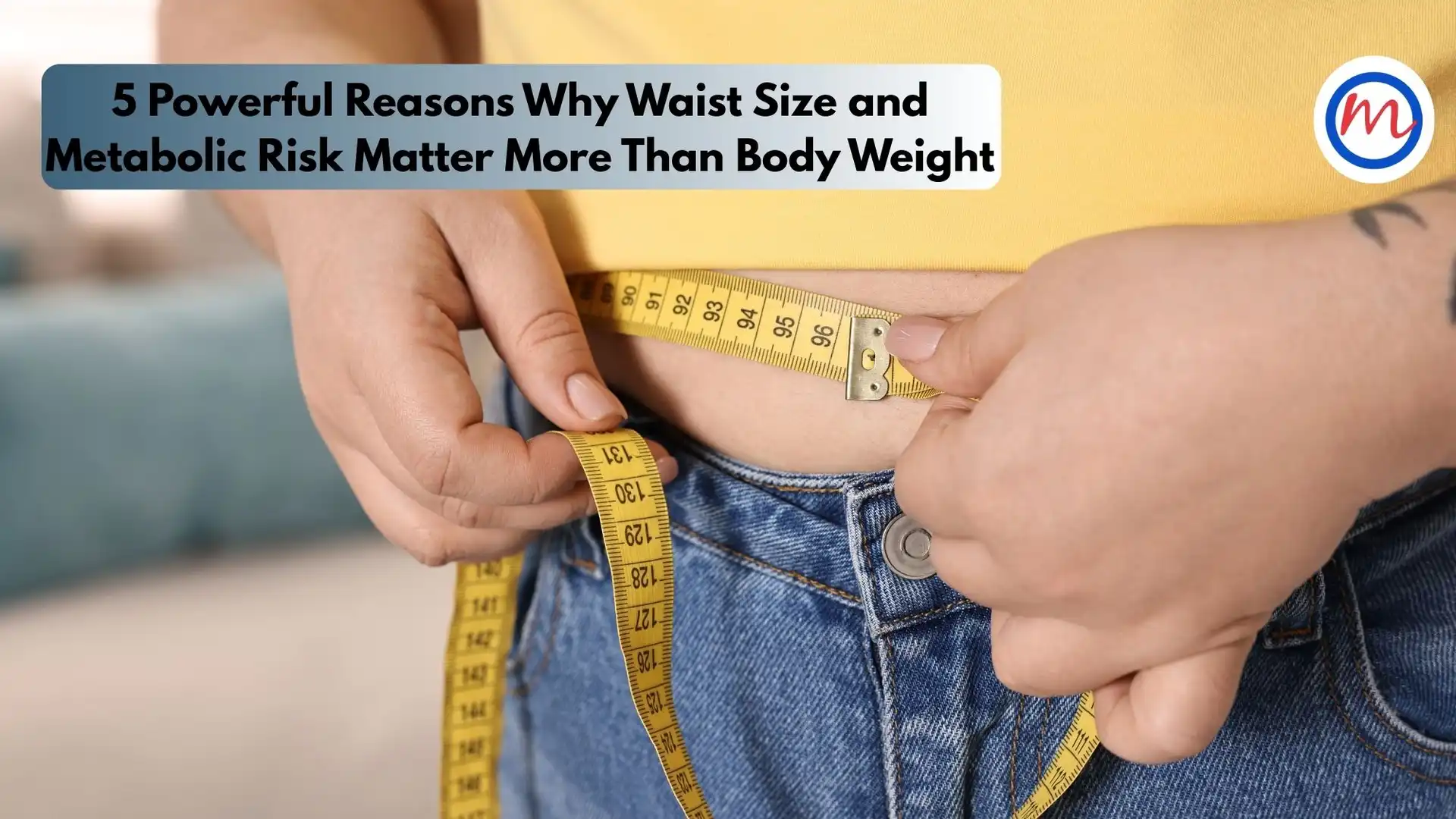
5 Powerful Reasons Why Waist Size and Metabolic Risk Matter More Than Body Weight
Waist size and metabolic risk are more closely connected than body weight alone. Many people feel reassured by a normal weight, yet still develop diabetes, high cholesterol, fatty liver, or heart disease. Understanding why waist size matters helps identify hidden metabolic risk early and allows timely prevention.
This is because waist size and metabolic risk are closely linked, and changes around the abdomen often reflect deeper metabolic problems that body weight alone cannot detect.
Waist Size and Metabolic Risk—Why Weight Is Not Enough
Many people judge their health by one number on the weighing scale. If the weight is “normal,” there is a sense of relief: “I’m not overweight, so I must be healthy.”
But doctors increasingly see people with normal body weight who still develop diabetes, high cholesterol, fatty liver, or heart disease. How does this happen?
The answer often lies not in body weight, but in waist size.
Weight and Health Are Not the Same Thing
Doctors now recognise that waist size and metabolic risk provide more useful information than body weight when assessing the chances of diabetes, heart disease, and fatty liver.
Body weight tells us how heavy a person is, but it does not tell us:
- Where fat is stored
- How much muscle the body has
- How the body handles sugar and fat
Two people can weigh the same, yet have very different health risks.
This is why doctors now pay close attention to waist circumference, especially in people who look “normal” but have metabolic problems.
What Is Belly Fat?
Belly fat, also called abdominal fat, is the fat stored around the waist.
There are two main types:
- Subcutaneous fat – fat just under the skin
- Visceral fat – fat stored deep inside, around organs like the liver, pancreas, and intestines
Visceral fat is the dangerous one.
It may not always be obvious from the outside, but it has powerful effects on the body’s metabolism.
The strong connection between waist size and metabolic risk explains why people with excess belly fat face higher metabolic complications even when their overall weight appears normal.
Why Visceral (Belly) Fat Is Harmful
Visceral fat is not inactive. It behaves like a hormone-producing organ.
It:
- Releases inflammatory substances
- Interferes with insulin action
- Increases insulin resistance
- Raises blood sugar and triglycerides
- Lowers “good” cholesterol (HDL)
This is why people with excess belly fat are at higher risk of:
- Type 2 diabetes
- Fatty liver
- High blood pressure
- Heart disease
even if their overall weight is normal.
How Someone Can Look “Normal” but Be at Risk
In such individuals, waist size and metabolic risk become better indicators of health than appearance or clothing size.
This situation is sometimes described as “thin outside, fat inside.”
Such individuals may:
- Have a normal BMI (Body Mass Index)
- Wear normal-sized clothes
- Not appear overweight
But they may also:
- Sit for long hours
- Exercise very little
- Have low muscle mass
- Accumulate fat around the abdomen
In these cases, waist size becomes a more accurate indicator of metabolic health than body weight.
What Is Waist Circumference?
This progression highlights how waist size and metabolic risk often increase silently before diabetes is diagnosed.
Waist circumference is a simple measurement taken around the abdomen, usually:
- At the level of the belly button
- After breathing out normally
It reflects how much fat is stored around vital organs.
Doctors use waist circumference because it:
- Directly relates to visceral fat
- Predicts diabetes and heart risk better than weight alone
- Is easy and inexpensive to measure
Why BMI Can Be Misleading
BMI calculates health risk based on height and weight. While useful at a population level, it has limitations.
BMI does not account for:
- Fat distribution
- Muscle mass
- Body composition
A person with:
- Normal BMI + high waist circumference
may be at higher risk than someone with: - Slightly higher BMI + low waist circumference
This is why relying only on weight or BMI can give false reassurance.
The Link Between Waist Size and Blood Sugar
When belly fat increases:
- Muscles become less responsive to insulin
- Over time, this leads to insulin resistance, even before blood sugar levels become abnormal.
- The pancreas is therefore forced to produce more insulin to maintain blood glucose levels
- Over time, this leads to exhaustion of the pancreatic beta-cells, decreasing insulin levels and resulting in diabetes
Many people are diagnosed with diabetes despite “eating normally” because the real issue was long-standing abdominal fat and inactivity.
Early Warning Signs Linked to Belly Fat
People with excess waist circumference may notice:
- Increasing belly size despite stable weight
- Fatigue after meals
- Slight rise in fasting or post-meal sugar
- High triglycerides
- Fatty liver on scan
These are early metabolic signals—not cosmetic issues.
What Causes Increase in Waist Size?
Common contributors include:
- Prolonged sitting
- Low physical activity
- Irregular meals
- Stress and poor sleep
- High intake of refined carbohydrates
- Age-related muscle loss
Importantly, belly fat can increase even without overeating.
How to Reduce Waist Size Safely
Reducing waist size does not require extreme dieting.
What helps:
- Daily walking or regular movement
- Strength or resistance exercises to build muscle
- Eating balanced meals with vegetables and protein
- Avoiding frequent snacking
- Managing stress and improving sleep
Even small, consistent changes can reduce visceral fat over time.
Why Waist Size Deserves Attention Early
Waist circumference often increases before diabetes, cholesterol problems or fatty liver are diagnosed.
Paying attention early allows:
- Prevention instead of treatment
- Better long-term health outcomes
- Reduced risk of complications
It shifts focus from appearance to metabolic health.
The Key Takeaway
Body weight alone does not define health. Waist size reveals what weight often hides.
Someone can look normal, eat modestly, and still carry hidden metabolic risk due to excess belly fat. Measuring waist circumference and addressing lifestyle factors early helps prevent diabetes, heart disease and other metabolic disorders.
When it comes to long-term health, where fat is stored matters more than how much you weigh.
Waist size and metabolic risk often increase silently, long before diabetes or heart disease is diagnosed. Understanding the relationship between waist size and metabolic risk helps individuals recognise early warning signs and take preventive action. By reducing belly fat through regular activity, balanced meals, and stress management, waist size and metabolic risk can be improved significantly, even without major weight loss.
Waist size and metabolic risk deserve attention long before disease develops. Monitoring waist circumference and addressing lifestyle factors early can reduce future complications. By focusing on waist size and metabolic risk, individuals can move from late diagnosis to early prevention and better long-term health outcomes.
To know more: click- https://drmohans.com/
Click to book an appointment: https://drmohansdiabetes.co.in/enroll/?campname=website