
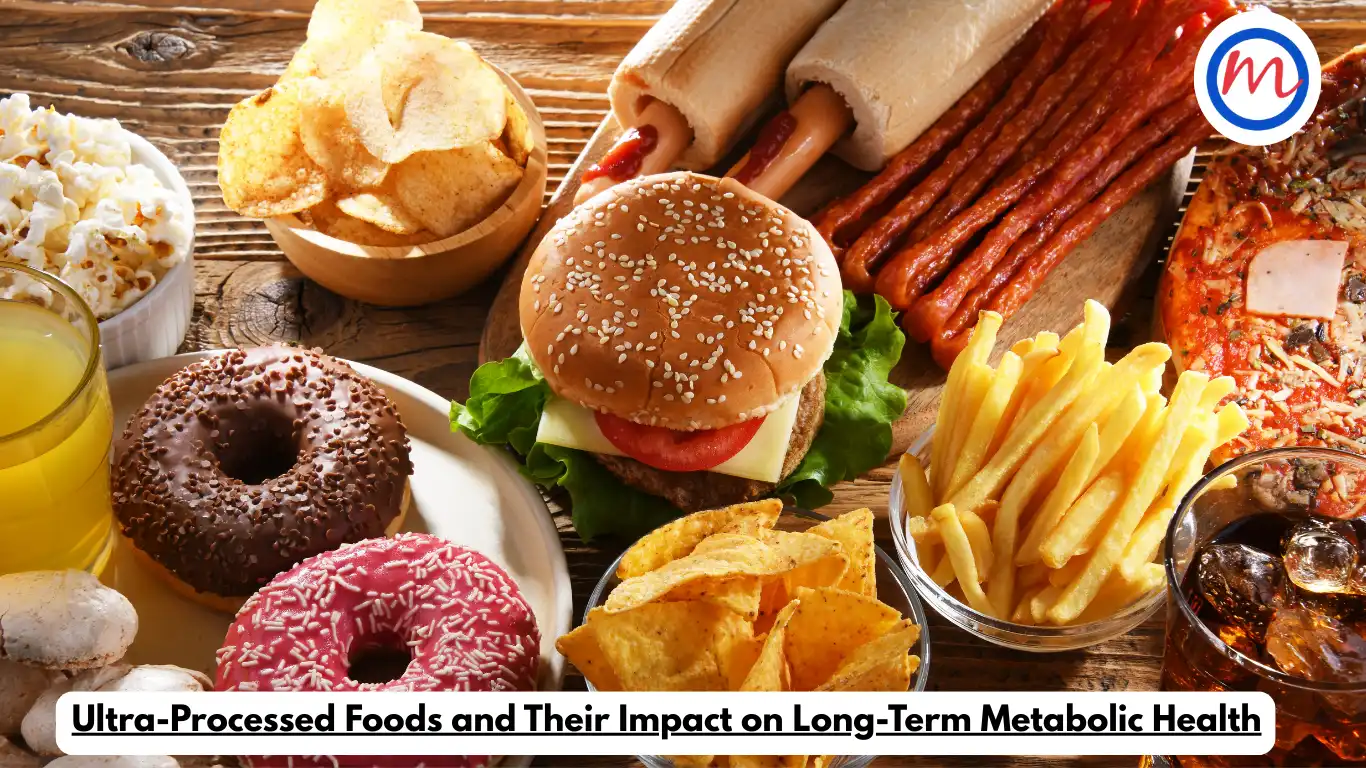
Ultra-Processed Foods and Their Impact on Long-Term Metabolic Health
Introduction: The Growing Concern Around Ultra-Processed Foods
In modern diets, ultra-processed foods and metabolic health have become closely connected topics of discussion. As busy lifestyles encourage convenience eating, many people rely heavily on packaged, ready-to-eat foods that require little preparation.
While these foods are convenient and widely available, increasing research suggests that frequent consumption of ultra-processed foods may negatively affect long-term metabolic health. These foods often contain high amounts of refined carbohydrates, added sugars, unhealthy fats and artificial additives.
Understanding the relationship between ultra-processed foods and metabolic health can help individuals make better dietary decisions and reduce the risk of chronic diseases.
What Are Ultra-Processed Foods?
Ultra-processed foods are industrial formulations made mostly from refined ingredients and additives rather than whole foods.
Examples include:
• Packaged snacks and chips
• Instant noodles and ready meals
• Sugary breakfast cereals
• Processed meats
• Sweetened beverages
• Packaged desserts and bakery products
These products often contain ingredients such as flavour enhancers, preservatives, artificial colours and stabilisers designed to improve taste, texture and shelf life.
Because of these characteristics, ultra-processed foods and metabolic health are often linked in discussions about modern dietary patterns.
Why Ultra-Processed Foods Are Widely Consumed
Several factors contribute to the popularity of ultra-processed foods.
Convenience
Busy schedules make ready-to-eat foods attractive options. Many ultra-processed foods require minimal preparation, making them convenient for working professionals.
Long Shelf Life
Ultra-processed foods are designed to last longer than fresh foods, which makes them widely available in supermarkets and convenience stores.
Strong Flavour and Palatability
Manufacturers often enhance taste through added sugars, salt and fats, which may encourage overeating.
These factors contribute to the widespread consumption of ultra-processed foods, raising concerns about ultra-processed foods and metabolic health.
Impact of Ultra-Processed Foods on Metabolic Health
1. Increased Risk of Weight Gain
Ultra-processed foods are often calorie-dense and low in fibre. Because they are less filling, people who frequently consume these foods may end up consuming more calories than intended.
Frequent consumption may contribute to weight gain, which is a key risk factor linking ultra-processed foods and metabolic health problems.
2. Higher Risk of Insulin Resistance
Many ultra-processed foods contain refined carbohydrates and added sugars that cause rapid increases in blood glucose levels.
Repeated blood sugar spikes increase insulin production and may eventually contribute to insulin resistance—an important factor affecting ultra-processed foods and metabolic health outcomes.
3. Increased Risk of Type 2 Diabetes
Studies have shown that high consumption of ultra-processed foods is associated with a greater risk of developing type 2 diabetes.
Diets rich in these foods often lack essential nutrients and fibre while providing excess calories, which negatively affects long-term metabolic health.
4. Negative Effects on Gut Health
Ultra-processed foods often contain very low amounts of dietary fibre, which is essential for maintaining a healthy gut microbiome.
An imbalance in gut bacteria may influence metabolism, inflammation and glucose regulation. This further strengthens the connection between ultra-processed foods and metabolic health.
5. Increased Cardiovascular Risk
Diets high in ultra-processed foods often contain excessive sodium, unhealthy fats and refined carbohydrates.
Over time, these dietary patterns may increase the risk of:
• High blood pressure
• Elevated triglycerides
• Heart disease
These conditions are closely related to poor metabolic health.
Why Ultra-Processed Foods Are Difficult to Avoid
Avoiding ultra-processed foods can be challenging because they are widely available and heavily marketed.
They often appear in everyday foods such as:
• Packaged snacks
• Instant meal mixes
• Flavoured yoghurts
• Sweetened beverages
• Ready-made sauces
In many cases, people may not realise how frequently these foods appear in their daily diet.
Practical Ways to Reduce Ultra-Processed Foods
Improving ultra-processed foods and metabolic health outcomes begins with small changes in food choices.
Choose Whole Foods
Fresh vegetables, fruits, pulses and whole grains provide nutrients and fibre without excessive additives.
Cook More Meals at Home
Preparing meals at home allows better control over ingredients and portion sizes.
Read Food Labels
Checking ingredient lists helps identify highly processed foods.
Limit Sugary Beverages
Replacing sugary drinks with water, buttermilk or unsweetened beverages reduces added sugar intake.
The Key Takeaway
The connection between ultra-processed foods and metabolic health is becoming increasingly clear. Diets high in ultra-processed foods may increase the risk of obesity, insulin resistance and type 2 diabetes.
While occasional consumption is unlikely to cause harm, regular intake of these foods can negatively affect long-term health.
Choosing whole foods, reducing packaged products and maintaining balanced eating habits can significantly support better metabolic health and reduce the risk of chronic disease.
Click to know more: https://drmohans.com/
Click to book an appointment: https://drmohansdiabetes.co.in/enroll/?campname=website