Rava Kesari Calories: The Truth Behind This Beloved Sweet
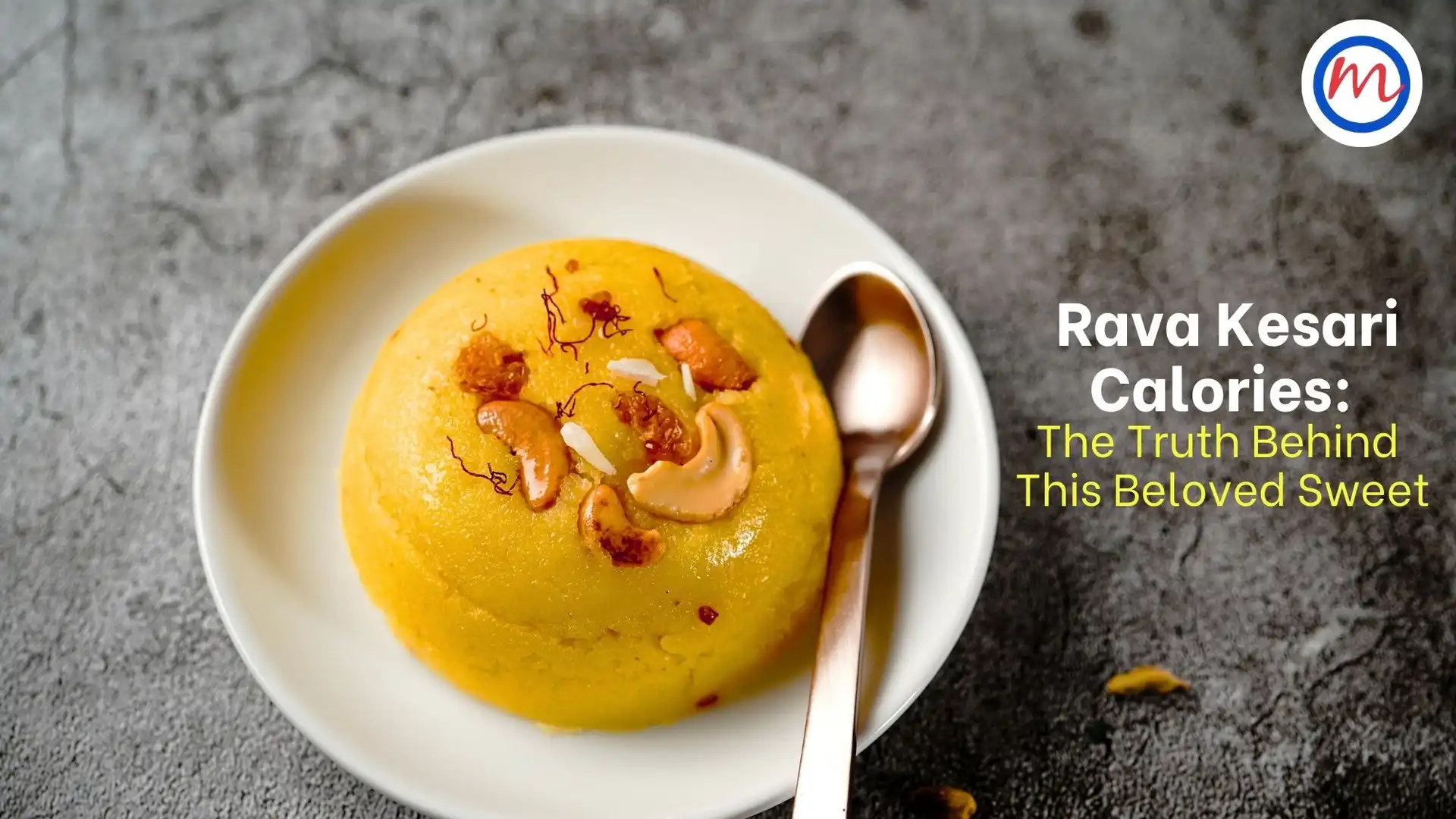
Rava Kesari is that one sweet everyone thinks is “harmless.” It looks simple, it cooks in minutes, and it appears lighter than heavy sweets like laddoo or halwa. But behind its glossy orange shine lies a calorie-packed combination that can easily surprise you.
People often prepare it for guests, festivals, or even as a quick dessert at home. But is it really the mild, gentle sweet it pretends to be? Not always.
Why Rava Kesari Is More Calorie-Dense Than You Think
- Rava absorbs ghee like a sponge
Even if you add just 2–3 tablespoons of ghee, the rava soaks it all up. This makes the fat content higher than most people estimate.
- Sugar quantity is usually high
Traditional recipes use equal parts rava and sugar. That means for 1 cup rava, 1 cup sugar—far more sugar than the dish actually needs for flavour.
- Added ghee for “shine”
Many add an extra spoon on top to get that glossy finish. Small spoon, big calorie impact.
- Portion sizes are misleading
A small square or a small scoop looks tiny, but the ingredients inside it are calorie-dense.
Rava Kesari tastes light but behaves heavy.
Making Rava Kesari Healthier (Without Losing Taste)
- Reduce sugar to ½ cup for 1 cup of rava—taste stays intact.
- Use 1½ tablespoons ghee instead of 3–4 tablespoons.
- Add grated carrot, which adds colour, fibre and sweetness naturally.
- Mix in a spoon of roasted cashew powder to enhance richness with less ghee.
- Use small portions—Kesari is better enjoyed than over-eaten.
Healthy Rava Kesari Recipe (Improved Version)
Ingredients
- Rava – ½ cup
- Sugar – ¼ to ⅓ cup
- Ghee – 1½ tablespoons
- Water – 1½ cups
- Grated carrot – 2 tablespoons
- Cashews – 1 teaspoon
- Cardamom – a pinch
Method
- Roast rava in ½ tablespoon ghee until aromatic.
- Boil water with grated carrot.
- Add rava slowly while stirring to avoid lumps.
- Add sugar and mix well.
- Add remaining ghee, cashews and cardamom.
- Cook until it leaves the pan sides.
Approximate Nutritive Value (Per Serving)
- Calories: ~180 kcal
- Carbohydrates: 28 g
- Protein: 3 g
- Fat: 6 g
- Fibre: 1 g
Understanding Rava Kesari Calories: What Makes This Sweet So Energy-Dense?
Rava kesari may look like a simple sweet made with semolina, ghee, sugar, and water, but the real surprise lies in its calorie load. When you analyse rava kesari calories, most of the energy comes from two calorie-heavy ingredients: ghee and sugar. Even a small 100 g serving can deliver around 250–300 kcal, making it one of the richest festive sweets despite its humble appearance. The combination of refined rava and generous amounts of fat gives it a high glycaemic index and rapid energy release, which is why people often feel full yet sluggish after eating it.
Rava Kesari Calories and Portion Control: Why Serving Size Matters
One of the biggest misconceptions is assuming rava kesari is “light” because it is not deep-fried. However, rava kesari calories can quickly add up when more servings are taken. Traditional recipes call for nearly equal amounts of rava, sugar, and ghee, making each spoonful calorie-dense. For individuals watching weight, blood sugar, or cholesterol, portion size is key. A small 50 g serving is manageable, but multiple scoops turn it into a high-calorie dessert that can easily exceed a meal’s calories.
Can You Reduce Rava Kesari Calories Without Losing Flavour?
The good news is that this beloved sweet can be enjoyed more mindfully with a few smart tweaks. Reducing ghee by 25–30 percent can significantly lower rava kesari calories. Replacing part of the sugar with jaggery adds iron and reduces the glycaemic impact slightly. Adding nuts and a small amount of moong dal can also improve protein and fibre content, making the dish more balanced. While the classic taste remains, these variations help make rava kesari a more everyday-friendly sweet instead of a heavy indulgence reserved only for festive days.
To know more: https://drmohans.com/
Click to book an appointment: https://drmohansdiabetes.co.in/enroll/?campname=website