
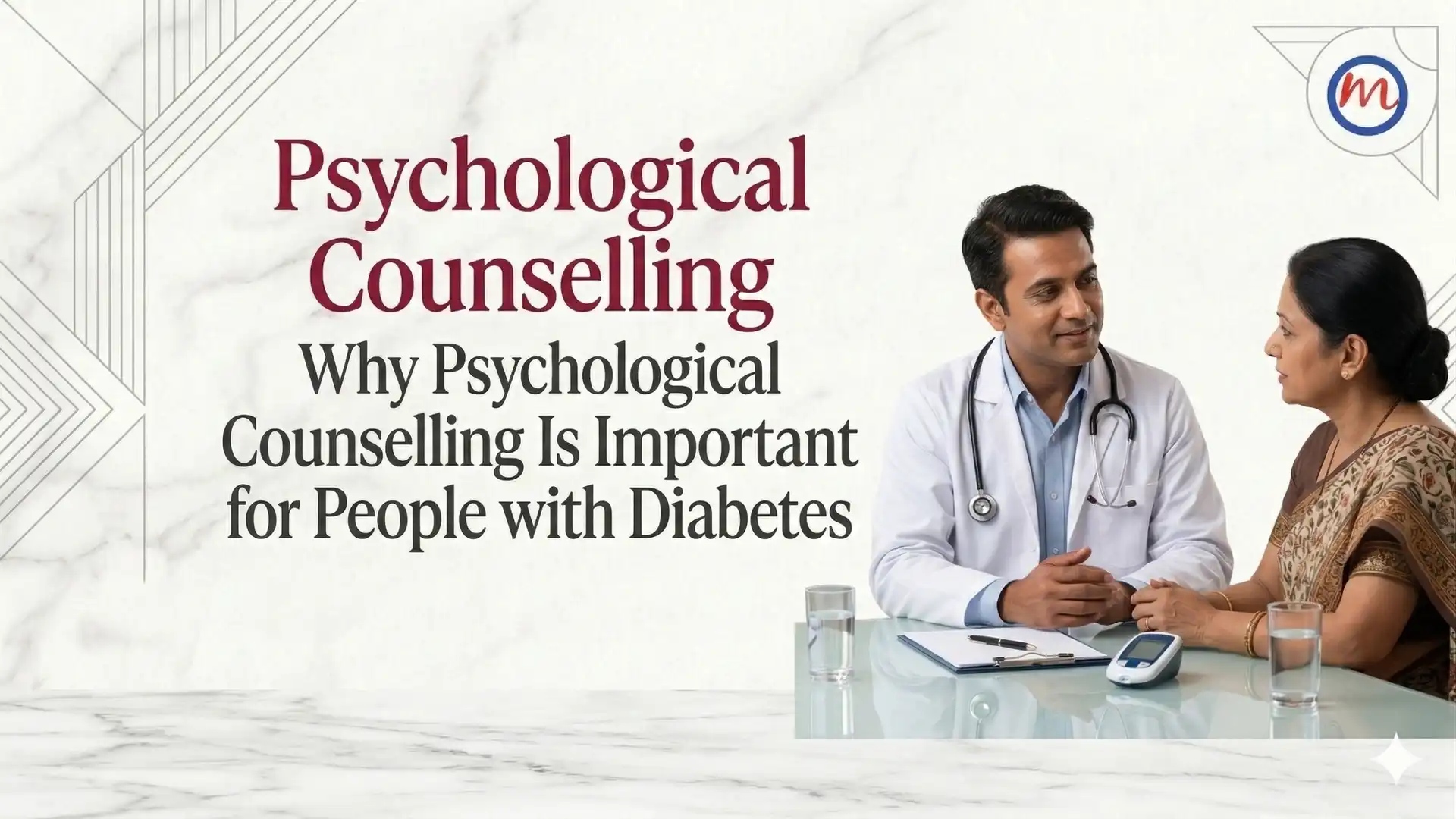
7 Reasons Psychological Counselling for Diabetes Is Important
Written by: Ms. Vidyulatha, Psychologist at Dr. Mohan’s Diabetes Specialities Centre
Psychological counselling for diabetes plays an important role in helping individuals manage the emotional and behavioural challenges associated with living with a chronic condition. While medications, diet and exercise are essential parts of diabetes treatment, mental and emotional well-being also significantly influence blood sugar control and long-term health outcomes.
Many people with diabetes feel physically well and assume that their condition is under control. However, diabetes can remain silent for several years, and complications may develop without obvious symptoms.
For example, one patient confidently said:
“My diabetes is under very good control. I have no symptoms like tingling feet, blurred vision, frequent urination or delayed wound healing that people usually talk about.”
However, his laboratory reports told a very different story. His HbA1c levels were high, and early signs of neuropathy, retinopathy and nephropathy had already begun to develop.
Situations like this highlight why psychological counselling for diabetes is an important component of diabetes care. Counselling helps individuals understand their condition better, stay motivated and maintain healthy habits that support long-term diabetes control.
Table of Contents
-
Understanding Silent Diabetes
-
Why Psychological Counselling for Diabetes Matters
-
Lifestyle Challenges That Affect Diabetes Control
-
Who Needs Psychological Counselling for Diabetes
-
The Link Between Mental Health and Diabetes
-
How Psychological Counselling for Diabetes Uses CBT
-
The Role of Family Support in Diabetes Care
Understanding Silent Diabetes
Diabetes is often referred to as a silent disease because people may not experience symptoms even when blood sugar levels are poorly controlled.
When individuals feel normal, they may become less attentive to important aspects of diabetes management such as:
-
Taking medications regularly
-
Following dietary recommendations
-
Exercising consistently
-
Monitoring blood glucose levels
-
Attending regular medical check-ups
Unfortunately, diabetes complications may develop quietly in the background. By the time symptoms appear, significant damage may already have occurred.
Psychological counselling for diabetes helps patients stay aware of these risks and encourages them to remain consistent with their treatment plans.
Why Psychological Counselling for Diabetes Matters
Living with diabetes requires continuous attention to lifestyle habits and medical care. Managing meals, medications, exercise routines and routine health check-ups can sometimes feel overwhelming, especially for individuals balancing work and family responsibilities.
Psychological counselling for diabetes helps patients:
-
Understand their condition more clearly
-
Overcome emotional barriers to treatment
-
Build motivation for lifestyle changes
-
Develop long-term healthy habits
-
Improve adherence to medications and treatment plans
Counselling also provides emotional support and reassurance, which can reduce stress and help individuals feel more confident about managing their health.
Lifestyle Challenges That Affect Diabetes Control
Modern lifestyles often create challenges for effective diabetes management. Several common factors can affect blood sugar control, including:
-
Irregular meal timings
-
Sedentary work environments
-
Limited opportunities for exercise
-
Poor sleep habits
-
Chronic work-related stress
These lifestyle patterns can contribute to obesity and metabolic syndrome.
Metabolic syndrome refers to a group of conditions that occur together, including:
-
High blood glucose levels
-
Elevated blood pressure
-
Insulin resistance
-
Abnormal cholesterol levels
Through psychological counselling for diabetes, individuals can identify unhealthy patterns and develop practical strategies for improving their daily routines, including better stress management, healthier eating habits and regular physical activity.
Who Needs Psychological Counselling for Diabetes
Psychological counselling can benefit people at different stages of their diabetes journey.
Newly Diagnosed Individuals
People who are newly diagnosed with diabetes often experience a range of emotions, including:
-
Denial
-
Fear
-
Anger
-
Sadness
Counselling helps individuals process these emotions and gradually move toward acceptance and proactive diabetes management.
People Living with Type 1 Diabetes
Individuals with Type 1 diabetes face lifelong challenges related to insulin therapy, blood sugar monitoring and lifestyle adjustments. Psychological counselling helps them develop coping strategies and maintain emotional balance.
Patients with Unstable HbA1c Levels
Patients whose HbA1c levels fluctuate frequently may sometimes have underlying psychological or behavioural factors affecting their diabetes management. Identifying and addressing these factors can significantly improve treatment outcomes.
You can also learn more about HbA1c testing and diabetes monitoring on our website. (Internal link to relevant page)
The Link Between Mental Health and Diabetes
Mental health plays a significant role in diabetes control.
People living with diabetes are more likely to experience:
-
Stress
-
Anxiety
-
Depression
-
Diabetes burnout
These emotional challenges can directly affect blood sugar levels and self-care behaviour.
For example:
-
Stress hormones may increase blood glucose levels
-
Depression may reduce motivation for physical activity or healthy eating
-
Anxiety can lead to sleep disturbances and irregular medication use
According to the American Diabetes Association, emotional well-being is a critical component of effective diabetes management.
Learn more:
https://diabetes.org/health-wellness/mental-health
Similarly, the World Health Organization (WHO) emphasises the importance of lifestyle and behavioural support in managing chronic diseases like diabetes.
https://www.who.int/news-room/fact-sheets/detail/diabetes
Addressing emotional health through psychological counselling for diabetes can therefore improve both mental well-being and blood sugar control.
How Psychological Counselling for Diabetes Uses CBT
One commonly used approach in diabetes counselling is Cognitive Behavioural Therapy (CBT).
CBT focuses on identifying negative thought patterns and replacing them with healthier behaviours that support diabetes management.
Key elements of CBT include:
-
Cognitive restructuring
-
Developing coping strategies
-
Goal setting
-
Problem-solving techniques
-
Behaviour modification
Through these techniques, individuals learn to shift their focus from negative thinking to achievable health goals.
When patients feel emotionally supported and confident, they are more likely to follow dietary guidelines, maintain regular physical activity and adhere to prescribed medical treatments.
The Role of Family Support in Diabetes Care
Diabetes management is easier when family members are involved and supportive.
Family counselling helps loved ones understand the daily challenges faced by people with diabetes and encourages them to provide emotional encouragement.
Supportive family members can help by:
-
Encouraging healthy food choices
-
Supporting regular physical activity
-
Reducing stress at home
-
Motivating individuals to attend medical check-ups
A positive and non-judgemental environment can greatly improve a person’s ability to manage diabetes successfully.
Taking a Holistic Approach to Diabetes Care
Managing diabetes effectively requires a holistic approach that addresses both physical health and emotional well-being.
At Dr. Mohan’s Diabetes Specialities Centre, patients receive comprehensive diabetes care that includes:
-
Expert medical treatment
-
Lifestyle guidance
-
Psychological counselling for diabetes
-
Regular screening for complications
By combining medical treatment with emotional and behavioural support, patients can prevent complications and lead healthier, more confident lives.
To learn more about diabetes prevention and management, explore our other resources at Dr. Mohan’s Diabetes Specialities Centre.