
Introduction
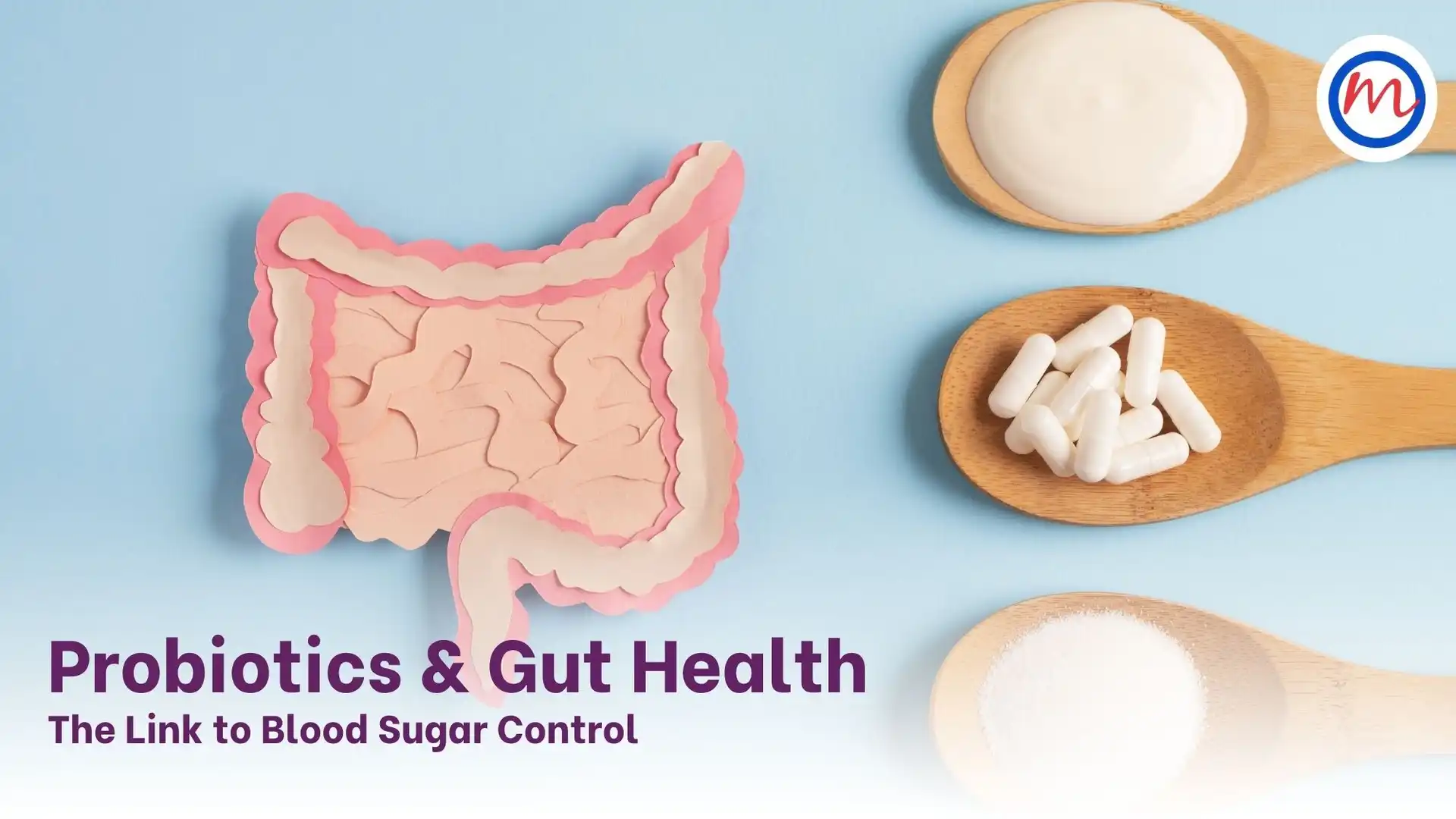
Gut health is very important in the management of diabetes. The gut is home to trillions of microbes called the gut microbiome. These beneficial bacteria help in digestion, metabolism and improving immunity. Surprisingly, the gut microbiome also influences how our body processes glucose. Studies suggest that improving gut balance through probiotics can positively impact blood sugar levels and overall diabetes control.
The Gut–Diabetes Connection
When there is an imbalance in the gut microbiome, harmful bacteria increase more than the useful bacteria. Due to this imbalance, inflammation and insulin resistance increase. Glucose metabolism is also affected. Maintaining a healthy gut helps in stabilising blood sugar, improving nutrient absorption and strengthening immunity.
How Probiotics Help
Probiotics are nothing but live microorganisms. These microbes help to restore healthy gut flora. Certain probiotic strains, such as Lactobacillus acidophilus, Bifidobacterium bifidum, and Lactobacillus casei, are known to improve insulin sensitivity and reduce fasting blood glucose. These microbes help to improve the production of short-chain fatty acids (SCFAs) in the gut. This key factor is linked to reducing inflammation in diabetes. When our body maintains gut integrity, harmful substances are prevented from entering the bloodstream, thus promoting better metabolic balance.
Best Probiotic Food Sources
We need to add natural probiotic-rich foods to the diet. This is a simple and effective step toward better gut health. Healthy foods like curd, buttermilk, kefir, kimchi, sauerkraut, miso and fermented pickles are some examples of probiotics. Among these, unsweetened homemade curd or yoghurt is particularly beneficial for people with diabetes. Curd or yoghurt offers calcium, protein and beneficial bacteria without added sugar.
Scientific Evidence
Several studies have demonstrated that probiotic supplementation can lower HbA1c and fasting glucose levels, especially in individuals with Type 2 diabetes. When we consume probiotics, lipid levels also get controlled. Oxidative stress is reduced, and cardiovascular health also improves.
Conclusion
Good gut health forms the foundation of effective diabetes management. By including probiotic-rich foods in your daily diet, you can improve digestion, enhance insulin sensitivity, and maintain long-term blood sugar balance — a small step with big health benefits.
For more
To book an appointment: https://drmohansdiabetes.co.in/enroll/?campname=website