
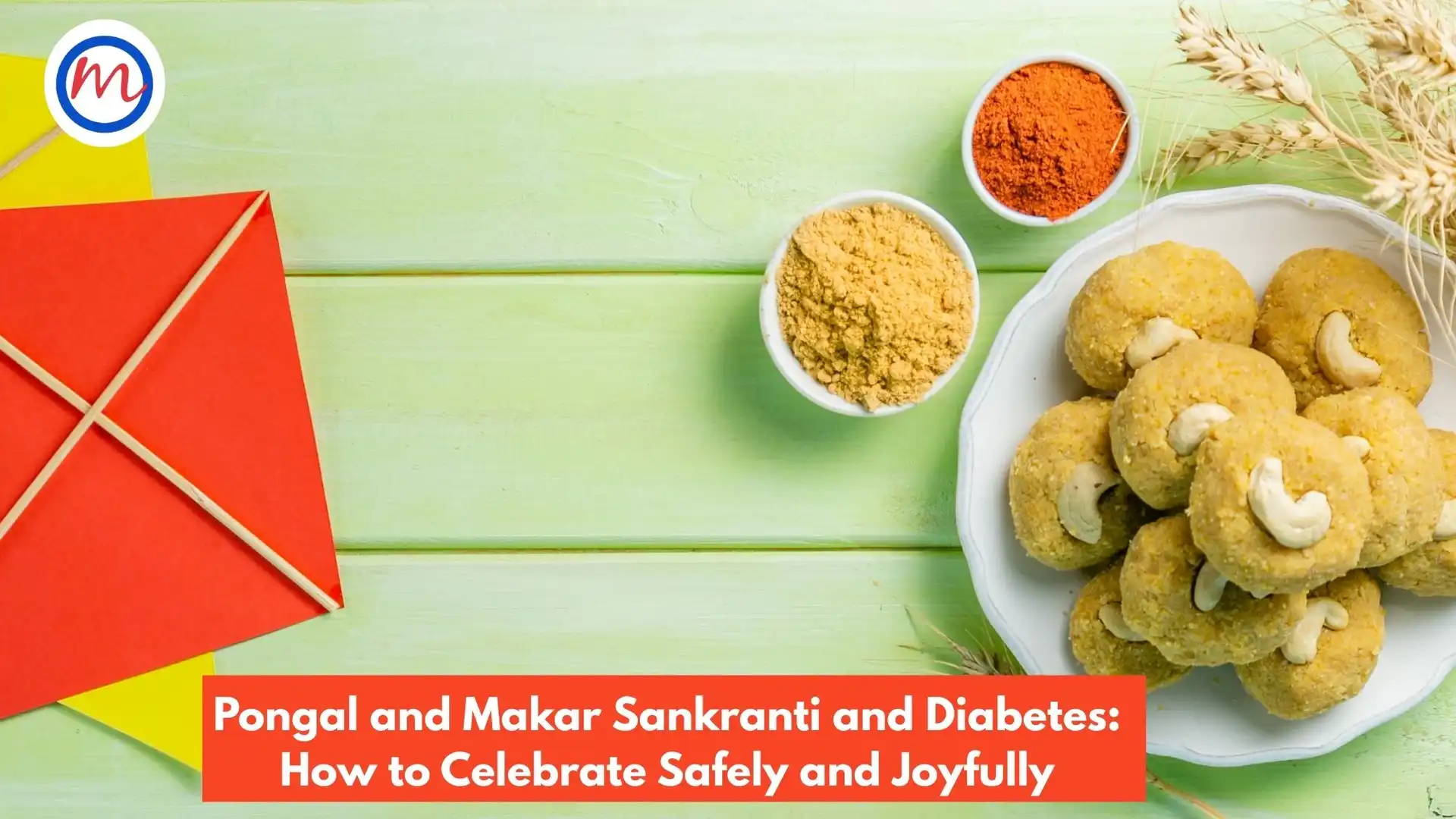
7 Smart & Safe Ways to Celebrate Pongal and Makar Sankranti with Diabetes
Pongal and Makar Sankranti and diabetes are often discussed together during the festive season, as traditional foods and celebrations can influence blood sugar control. With mindful eating, balanced portions, regular activity, and routine care, people with diabetes can celebrate these harvest festivals safely and joyfully.
Pongal and Makar Sankranti are celebrations of harvest, gratitude, and community, and living with diabetes should not take away from this joy. For people with diabetes, festive safety lies in consistency rather than restriction. Eating regular meals, balancing carbohydrates with vegetables and protein, and staying physically active help maintain steady blood sugar levels during celebrations.
Traditional foods such as rice, lentils, sesame seeds, and ghee can be included mindfully when portions are controlled and meals are well balanced. Emotional well-being also plays a vital role, as stress and guilt around food choices can negatively affect glucose control. By understanding the relationship between Pongal and Makar Sankranti and diabetes, individuals can celebrate confidently, honour traditions, and protect long-term health.
Pongal and Makar Sankranti are festivals of harvest, gratitude and togetherness. Homes are filled with the aroma of freshly cooked rice, lentils, jaggery and ghee. Families come together, rituals are performed, and traditional foods take centre stage.
For people living with diabetes, festivals can also bring anxiety—questions about what to eat, how much to eat , and whether enjoying festive food will disturb blood sugar control. The good news is that celebrating Pongal and Sankranti is possible without compromising health, when approached mindfully.
Pongal and Makar Sankranti and Diabetes: Why Festive Planning Matters
Most Pongal and Sankranti dishes are made using traditional, seasonal ingredients. While these foods are wholesome, they are also rich in carbohydrates, which can affect blood sugar levels.
Common festive foods include:
- Rice-based dishes like ven Pongal and sweet Pongal
- Jaggery-based sweets
- Sugarcane and sesame seed preparations
- Dishes cooked generously with ghee
None of these foods are “forbidden”, but portion size, frequency, and combinations matter.
The Biggest Festive Mistake: Skipping Meals
Many people skip breakfast or lunch to “save calories” for festive eating later. This often backfires. Skipping meals can lead to:
- Sudden drops in blood sugar
- Overeating later in the day
- Higher post-meal sugar spikes
Maintaining regular meal timings during Pongal and Sankranti helps keep blood sugar stable.
How to Build a Diabetes-Friendly Festive Plate
A simple way to enjoy festive meals is by following the plate method:
- Half the plate with vegetables (poriyal, kootu, salads)
- One-quarter with protein (dal, legumes, curd)
- One-quarter with rice-based dishes like Pongal
This balance slows digestion and prevents sharp glucose spikes.
Smart Tips to Enjoy Sweet Pongal
Sweet Pongal is often the highlight of the festival. People with diabetes do not need to completely avoid it, but should:
- Take 2–3 spoonfuls, not a full bowl
- Eat it after a balanced meal, not on an empty stomach
- Avoid repeating sweets multiple times a day
Pairing sweets with fibre- and protein-rich foods helps moderate blood sugar rise.
How Pongal and Makar Sankranti celebrations affect diabetes control
Festivals often disrupt daily routines. Long hours of sitting, visiting relatives and reduced movement can worsen glucose control.
Simple steps that help:
- A 15–20 minute walk after meals
- Helping with household activities and cooking
- Maintaining usual medication and insulin timings
Small movements make a big difference.
Festivals Are Also About Emotional Health
Pongal and Sankranti are not just about food. They represent gratitude, new beginnings, and community bonding. Stress, guilt and fear around food can also affect blood sugar levels.
Enjoy conversations, rituals, kolams and family time. Mental well-being is an important part of diabetes care.
Celebrate with Awareness, Not Fear
Living with diabetes does not mean missing out on festivals. With mindful eating, balanced portions, regular activity and routine care, people with diabetes can celebrate Pongal and Makar Sankranti safely and joyfully.
Festivals come and go, but health is lifelong. Choosing balance over restriction allows both tradition and well-being to coexist.
To know more: https://drmohans.com/
Click to book an appointment: https://drmohansdiabetes.co.in/enroll/?campname=website
Pongal and Makar Sankranti and diabetes can coexist when festive traditions are followed with awareness. By maintaining regular meals, choosing balanced portions, staying physically active, and enjoying traditional foods mindfully, people with diabetes can celebrate these harvest festivals safely without compromising long-term blood sugar control.