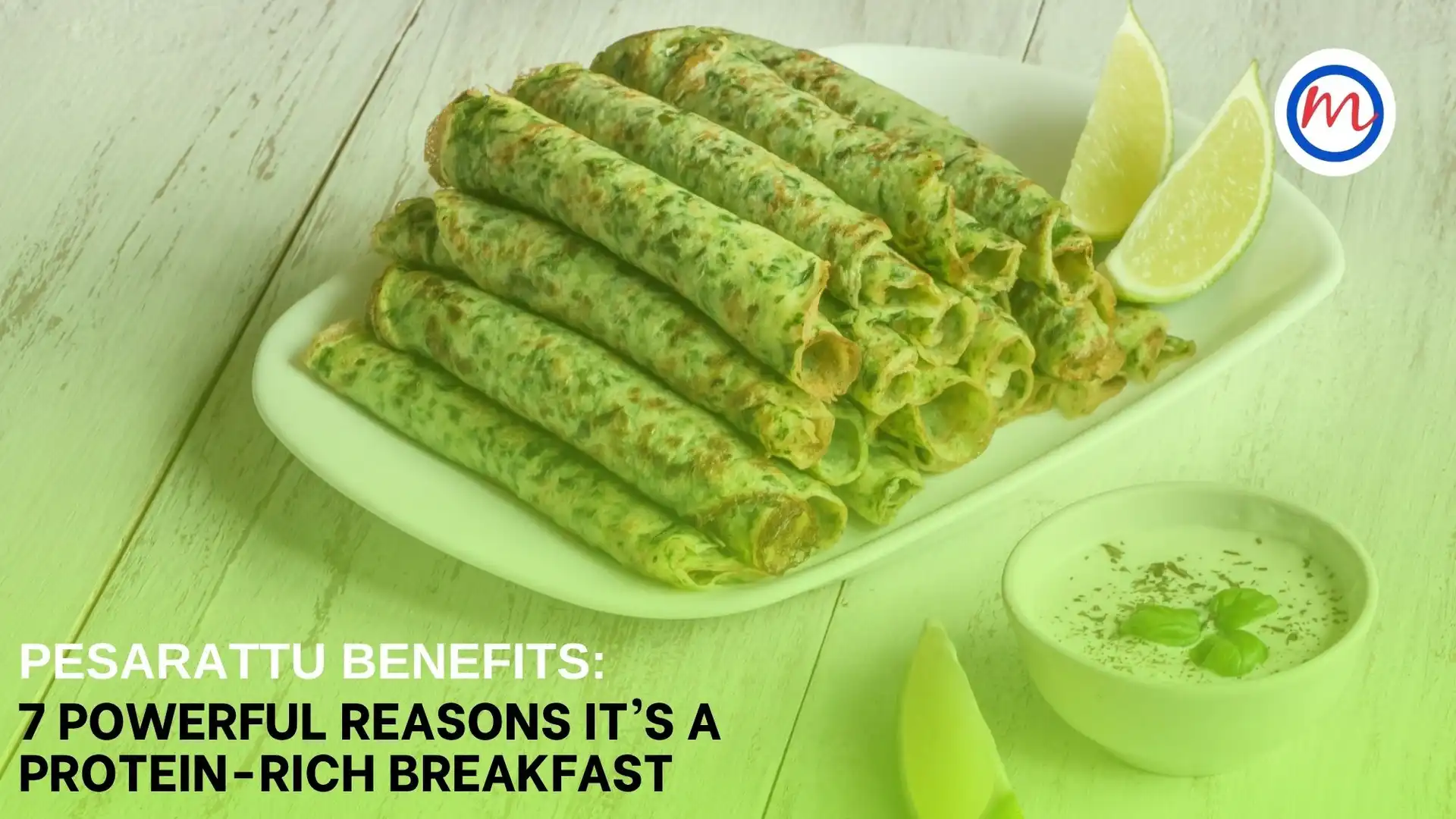
Pesarattu Benefits: 7 Powerful Reasons It’s a Protein-Rich Breakfast
Pesarattu, the iconic green gram dosa from Andhra Pradesh, has long been praised for its taste, simplicity, and nourishing profile. Today, more people are rediscovering the many pesarattu benefits, especially its high protein content and clean, whole-food ingredients. Made from nothing more than soaked whole green gram, ginger, cumin and chillies, this comforting breakfast delivers impressive nutrition without any fermentation.
Below is the complete, detailed, Rank-Math friendly article with keyword-rich headings.
1. Pesarattu Benefits: A Naturally High-Protein Meal
One of the biggest pesarattu benefits is its naturally high plant protein. Whole green gram contains around 24 g of protein per 100 g, making pesarattu a strong vegetarian source of essential amino acids. Protein supports muscle health, boosts metabolism and helps keep you full for longer—an ideal breakfast combination.
2. Pesarattu Benefits for Weight Loss
If you are looking to include more low-calorie, high-satiety foods, you’ll love these pesarattu benefits. Its high protein and fibre content reduce sudden hunger pangs, stabilise blood sugar levels and prevent overeating. When paired with mint chutney instead of oil-heavy accompaniments, it becomes a weight-loss-friendly option.
3. Excellent Fibre Content for Smooth Digestion
The whole green gram used in pesarattu is rich in soluble and insoluble fibre, promoting good gut bacteria and preventing constipation. This digestive support is one of the lesser-known pesarattu benefits, making it a great breakfast for individuals with sluggish digestion.
4. Pesarattu Benefits for Blood Sugar Control
Another key pesarattu benefit is its low glycaemic index. The combination of protein, fibre, and slow-digesting carbohydrates helps maintain steady blood sugar levels. This makes it a smart choice for people who want healthier breakfast alternatives that don’t cause spikes in glucose.
5. Rich in Iron, Folate and Essential Micronutrients
Among the many pesarattu benefits, its micronutrient density stands out. Green gram contains iron, magnesium, potassium and folate, supporting energy production and preventing nutritional deficiencies. For vegetarians and women, this makes pesarattu a valuable everyday choice.
6. Heart-Healthy and Low in Saturated Fat
Since pesarattu needs very little oil for cooking, it is naturally low in saturated fat. This heart-friendly property is often missed when discussing pesarattu benefits, but it contributes significantly to cardiovascular health by keeping fat intake moderate.
7. Clean, Simple and Preservative-Free
In a world of packaged instant mixes and refined ingredients, the simplicity of pesarattu is refreshing. One of the purest pesarattu benefits is that it is made from whole foods—no fermentation, no additives, and no refined flours. It is suitable even for individuals who prefer gluten-free or minimally processed meals.
How to Maximise Pesarattu Benefits
To enjoy all the pesarattu benefits, follow these simple tips:
-
Use whole green gram instead of split varieties.
-
Add ginger, cumin and green chillies for better digestion.
-
Cook with minimal oil.
-
Pair with mint chutney or tomato chutney instead of high-oil accompaniments.
-
Add onions on top for extra fibre and antioxidants.
Nutritive Value of Pesarattu (1 medium piece)
-
Energy: ~120 kcal
-
Protein: 6–7 g
-
Carbohydrates: 16–18 g
-
Fibre: 3–4 g
-
Fat: 2–3 g
These numbers clearly support the many benefits, especially for those looking for a nutritious breakfast option.
With its impressive nutrient profile, high-quality plant protein and digestive benefits, pesarattu stands out as one of the most nourishing South Indian breakfasts. Understanding the benefits can help you make healthier choices without compromising taste or tradition.
To know more: https://drmohans.com/
Click to book an appointment: https://drmohansdiabetes.co.in/enroll/?campname=website
Many people assume that just because pesarattu is made of dal, it is always healthy. However, the nutrition value depends a lot on how you prepare it. When cooked with too much oil or served with calorie-heavy chutneys or upma stuffing, it can quickly become a high-fat breakfast. Portion size also matters — two medium pesarattus are enough for an adult; more can increase the calorie load without adding much benefit.
Healthy Twist:
To make pesarattu even more balanced, try this protein-enriched version. Add a handful of sprouted moong and 2 tablespoons of urad dal to the batter. Sprouting increases the bioavailability of nutrients, while urad dal improves texture and protein balance.
Recipe (Serves 2):
- Whole green gram – ½ cup
- Urad dal – 2 tbsp
- Green chilli – 1
- Ginger – ½ inch
- Onion – 1 (finely chopped)
- Salt – to taste
- Oil – 1 tsp (for greasing)
Method:
- Soak green gram and urad dal for 4 hours.
- Grind with green chilli and ginger into a smooth batter.
- Add salt and chopped onions.
- Spread like dosa and cook on both sides with minimal oil.
Nutritive Value (Per 2 pesarattus):
- Calories: 280 kcal
- Protein: 14 g
- Fat: 5 g
- Carbohydrates: 38 g
- Fibre: 6 g
A crisp, golden pesarattu can indeed be a powerful, protein-rich start — as long as you keep it simple, light, and thoughtfully prepared.