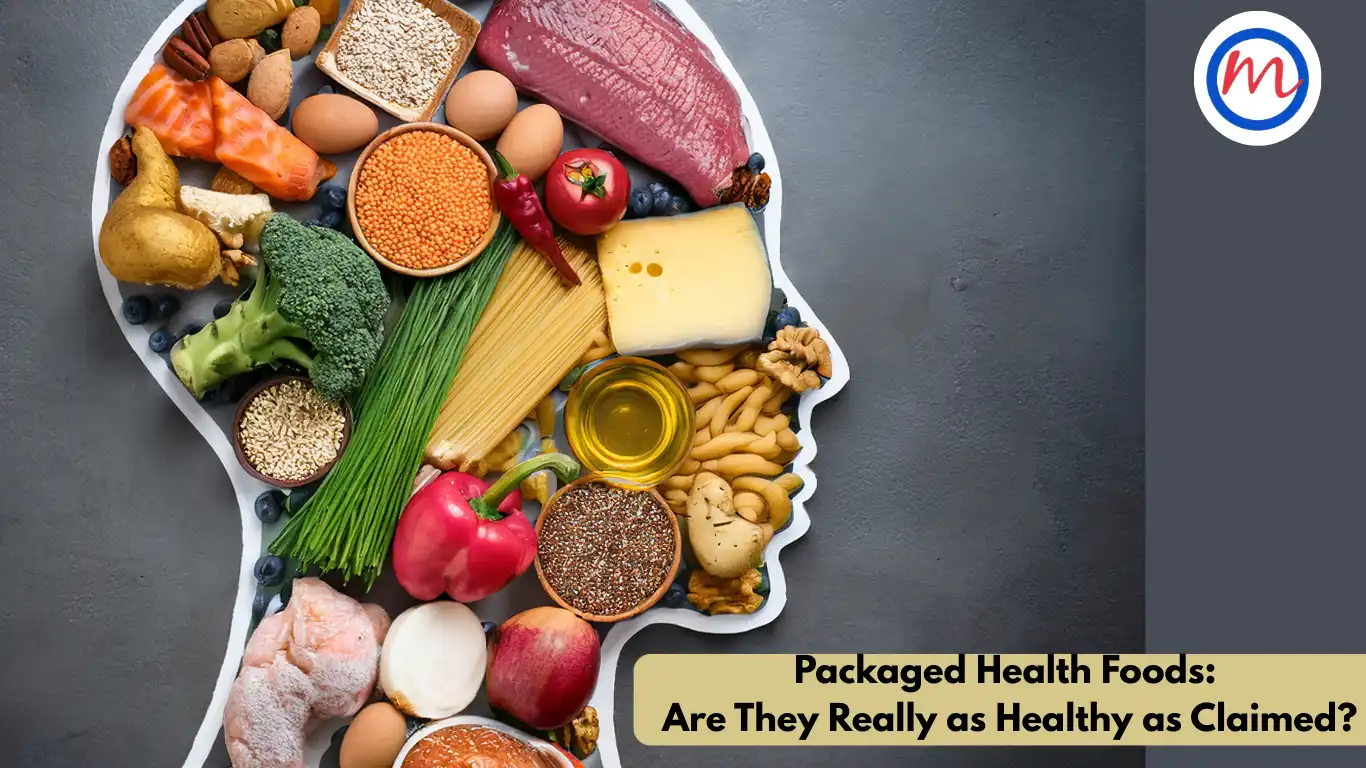
Packaged Health Foods: Are They Really as Healthy as Claimed?
The demand for packaged health foods has increased rapidly in recent years. Supermarket shelves are filled with products labelled as low fat, high protein, diabetic friendly, sugar free, and multigrain. These labels create a strong perception that these foods are automatically healthy. However, the reality is not always so simple.
While some packaged health foods can be beneficial, others may be more about marketing than actual nutrition. Understanding how to evaluate these products is essential for making better dietary choices.
What Are Packaged Health Foods?
Packaged health foods are processed food products marketed as nutritious alternatives to regular foods. These may include:
- Protein bars
- Multigrain biscuits
- Low-fat snacks
- Sugar-free sweets
- Breakfast cereals
- Diet namkeens
- Flavoured yoghurt
- Energy drinks
These products are designed to appeal to health-conscious consumers, busy professionals, and individuals trying to manage weight or blood glucose levels.
Why Packaged Health Foods Are Popular
Convenience
Modern lifestyles leave little time for meal preparation. Packaged foods offer quick, ready-to-eat options that fit into busy schedules.
Health Positioning
Words like organic, natural, and high fibre make consumers feel they are making healthier choices.
Medical Awareness
With increasing awareness about diabetes and obesity, many individuals actively look for diet foods. However, not all foods marketed for people with diabetes are truly beneficial.
Attractive Marketing
Food packaging today uses strong visual cues such as green colours, fitness images, and medical endorsements to influence purchasing decisions.
The Hidden Reality Behind Health Claims
Many packaged health foods may still contain:
Hidden sugars: Products labelled no added sugar may still contain maltodextrin, fructose syrup, or fruit concentrates.
Refined carbohydrates: Multigrain products sometimes contain mostly refined flour with very small amounts of other grains.
High sodium: Diet snacks may compensate for reduced fat by increasing salt.
Artificial additives: Preservatives and stabilisers may still be present.
Portion manipulation: A product may appear low calorie only because the serving size mentioned is very small.
This does not mean all packaged health foods are unhealthy, but consumers must look beyond the front label.
Common Misleading Claims Consumers Should Watch
“Sugar-Free”- Does Not Mean Healthy
Sugar-free foods may contain artificial sweeteners or sugar alcohols. Excess consumption may affect gut comfort in some individuals.
“Multigrain”- Does Not Mean Whole Grain
A true whole grain product should list whole grains as the first ingredient.
“Low Fat”– May Mean High Sugar
When fat is reduced, taste is often maintained by adding sugar or starch.
“High Protein”- Does Not Mean Balanced
Some high-protein snacks may still be high in calories and additives.
How to Identify Truly Healthy Packaged Foods
Consumers should follow a simple checklist:
Check the Ingredient List
Ingredients are listed in descending order by quantity. The first three ingredients usually make up most of the product.
Look for:
- Whole grains
- Nuts
- Seeds
- Pulses
Be cautious if the first ingredients include:
- Refined flour
- Sugar
- Glucose syrup
Read the Nutrition Panel
Check:
- Total sugar
- Fibre content
- Protein content
- Sodium levels
A healthy product usually contains more fibre and protein with controlled sugar and salt.
Look for Short Ingredient Lists
Generally, simpler foods with fewer ingredients are better choices.
Avoid Marketing Traps
Focus on nutrition facts rather than claims like:
- Immunity boosting
- Fat burning
- Doctor recommended
Are Packaged Health Foods Suitable for People with Diabetes?
Some packaged foods designed for individuals with diabetes may help with portion control, but they should not replace natural foods.
The best dietary approach still includes:
- Whole grains
- Vegetables
- Pulses
- Nuts
- Fruits in moderation
Packaged foods should be used occasionally rather than as staple foods.
Smart Choices When Buying Packaged Foods
Better packaged options may include:
- Unsalted nuts
- Roasted chana
- Plain oats
- Natural peanut butter
- Seeds
- Plain curd
- Minimally processed millet products
These options usually have better nutritional value compared to highly processed diet snacks.
The Role of Consumer Awareness
The future of healthy eating depends largely on informed consumers. Instead of avoiding all packaged foods, the goal should be choosing better ones.
Simple awareness practices include:
- Reading labels every time
- Comparing brands
- Choosing minimally processed options
- Avoiding impulse buying
- Planning grocery purchases
Conclusion
Packaged health foods can be useful when chosen wisely, but they are not automatically healthy just because they are marketed that way. The real measure of a healthy packaged food lies in its ingredients, nutritional composition, and level of processing.
Consumers who develop the habit of reading food labels and understanding marketing claims can make smarter decisions. Ultimately, the healthiest diet still depends on a strong foundation of natural, minimally processed foods supported by informed packaged food choices when necessary.
Click to know more: https://drmohans.com/
Click to book an appointment: https://drmohansdiabetes.co.in/enroll/?campname=website