7 Smart Ways to Manage Lohri to Makar Sankranti and Diabetes
Lohri to Makar Sankranti and diabetes require special attention because these harvest festivals often fall on consecutive days, leading to repeated festive meals. Without planning, continuous intake of sweets and rice-based foods can cause sustained blood sugar elevation. With simple do’s and don’ts, people with diabetes can enjoy these celebrations safely while maintaining glucose control.
Lohri to Makar Sankranti and Diabetes: Why Consecutive Festivals Matter
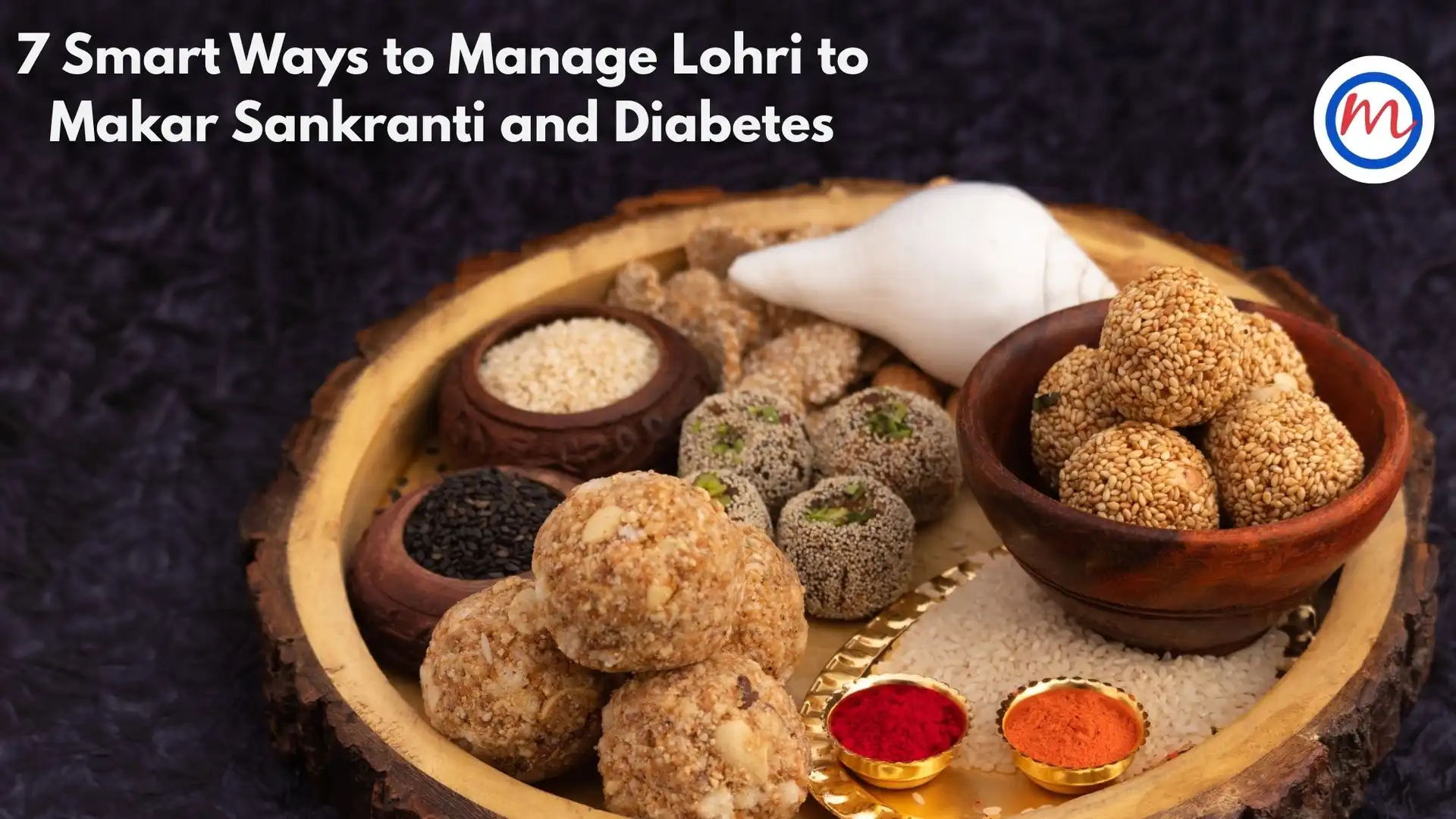
The period from Lohri to Makar Sankranti marks a series of harvest festivals celebrated across India. These days are filled with traditional foods made from sesame, jaggery, peanuts, rice and ghee. While each festival lasts only a day, the consecutive nature of these celebrations can pose a challenge for individuals with diabetes. Repeated festive meals, if unmanaged, may lead to sustained blood sugar elevation rather than a single temporary spike.
This advisory outlines practical do’s and don’ts to help people with diabetes enjoy the festive season safely.
How repeated festive meals affect blood sugar
DO: Maintain regular meal timings
One of the most important principles of diabetes management during festivals is consistency. Eat meals at your usual times, even on celebration days. Regular meals prevent extreme hunger, which often leads to overeating sweets and snacks.
Skipping meals to “save calories” often results in unstable blood sugar and larger spikes later in the day.
DON’T: Treat every festive day as a feast day
When festivals fall on consecutive days, indulgence often becomes continuous. What feels like a small portion each day can cumulatively impact blood sugar control.
Choose one planned indulgence across the festival period rather than consuming festive foods daily.
DO: Control portions, especially of sweets
Traditional sweets consumed during Lohri and Makar Sankranti are dense in sugar and fat. Limiting portion size is far more effective than completely avoiding foods.
Use smaller plates, serve yourself once, and avoid repeated tasting during food preparation or social visits.
DON’T: Eat sweets on an empty stomach
Consuming jaggery- or sugar-based foods on an empty stomach leads to rapid glucose spikes. Always eat sweets after a balanced meal that includes vegetables, protein and fibre.
This slows glucose absorption and reduces post-meal fluctuations.
DO: Balance festive meals with vegetables and protein
Festive plates are often carbohydrate-heavy. Balancing them with vegetables, dal, curd, paneer or legumes helps stabilise blood sugar levels.
Adding fibre-rich foods also promotes fullness and prevents overeating.
DON’T: Assume jaggery is harmless
Jaggery is often considered healthier than refined sugar. While it contains trace minerals, its impact on blood sugar is similar to sugar when consumed in excess.
Portion control remains essential, regardless of the type of sweetener used.
DO: Stay hydrated throughout the day
Cold weather often reduces thirst, increasing the risk of dehydration. Adequate hydration supports better blood sugar control and digestion.
Sip water regularly, even if you do not feel thirsty.
DON’T: Skip medications or adjust doses on your own
Festive schedules sometimes disrupt medication routines. Skipping or altering doses without medical advice can cause significant sugar imbalance.
Maintain your prescribed medication schedule, even during celebrations.
DO: Keep moving every day
While festive activities involve some movement, they may not replace structured physical activity. Include daily walking or light exercise to help manage glucose levels.
Regular activity also improves insulin sensitivity during periods of increased calorie intake.
DON’T: Ignore rising sugar levels
Temporary sugar fluctuations may occur, but persistent high readings should not be ignored. Monitor fasting and post-meal blood sugar levels during and after the festival period.
Early detection allows timely correction.
DO: Resume routine immediately after the festivals
Once celebrations end, return to your regular diet, activity and sleep patterns. Avoid extreme dietary restrictions or compensatory fasting, which can further destabilise blood sugar levels.
Consistency helps restore balance quickly.
Key takeaway
Navigating consecutive festivals like Lohri and Makar Sankranti requires planning rather than restriction. By following simple do’s and don’ts—maintaining routine, controlling portions, monitoring blood sugar, and staying active—people with diabetes can enjoy festive meals without compromising long-term control.
Final message:
Festivals come and go, but diabetes care is ongoing. Thoughtful choices during consecutive celebrations promote both health and happiness.
To know more: click- https://drmohans.com/
Click to book an appointment: https://drmohansdiabetes.co.in/enroll/?campname=website
Lohri to Makar Sankranti and diabetes management become especially important when festivals occur on consecutive days. Understanding how Lohri to Makar Sankranti and diabetes are connected helps individuals plan portions, maintain routine, and monitor blood sugar proactively. With consistent meals, controlled sweet intake, regular activity, and timely medication, Lohri to Makar Sankranti and diabetes care can coexist without compromising festive enjoyment or long-term glucose control.