5 Smart Ways to Enjoy Lohri and Diabetes-Friendly Sweets Safely
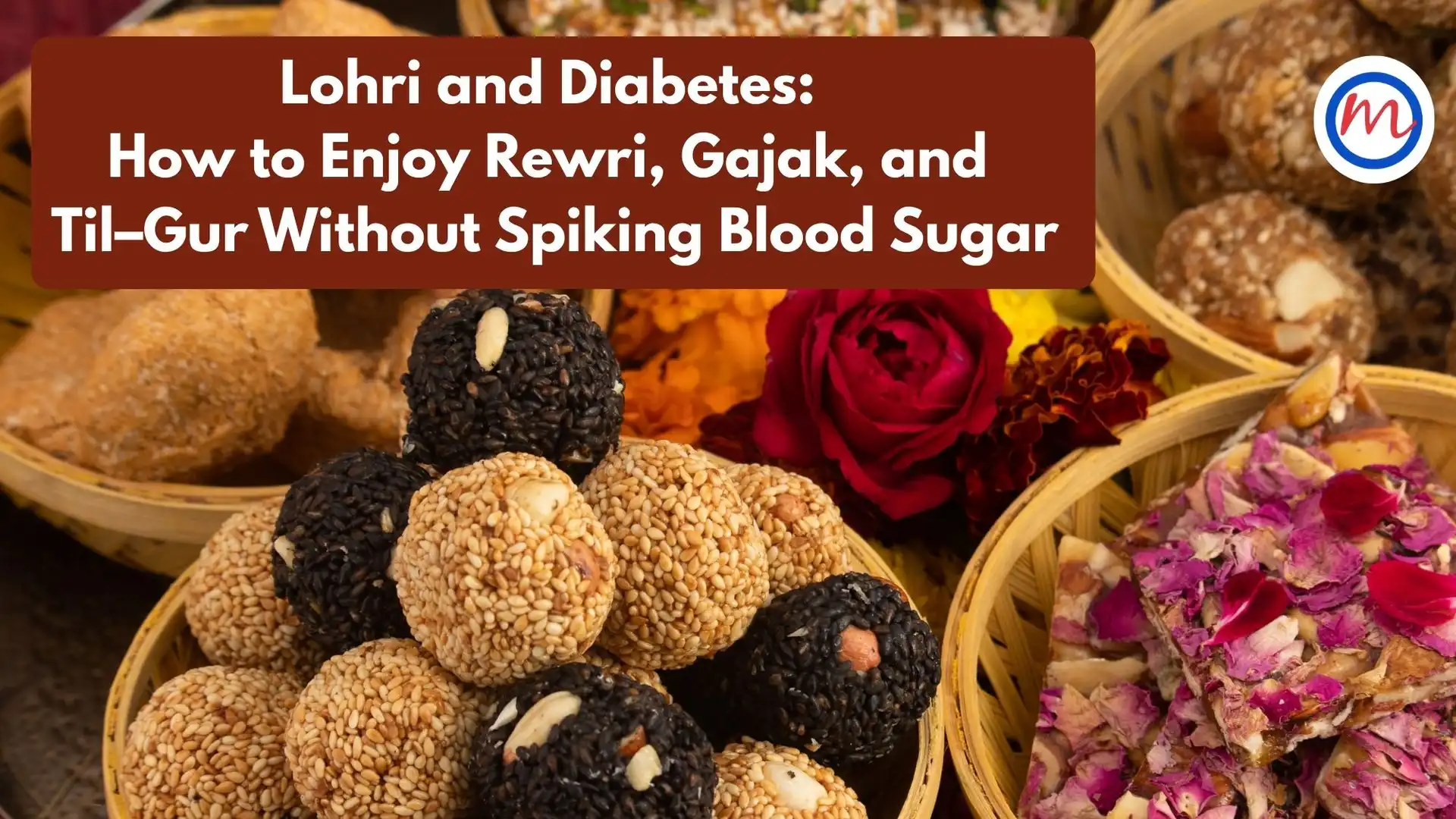
Lohri and diabetes often raise concerns because traditional sweets like rewri, gajak, and til–gur are rich in sugar and fat. Lohri symbolises warmth, togetherness, and celebration, and people with diabetes do not need to miss out. With mindful portion control, proper timing, balanced meals, and regular monitoring, festive sweets can be enjoyed safely without causing sharp blood sugar spikes.
Lohri and Diabetes: Why Blood Sugar Rises During Celebrations
Lohri marks the peak of winter celebrations in North India. The bonfire, music, and sharing of traditional sweets such as rewri, gajak and til–gur symbolise warmth and togetherness. However, for individuals with diabetes, Lohri often brings anxiety about blood sugar spikes. The good news is that Lohri can still be enjoyed—when festive eating is planned mindfully.
Below are some of the most common questions people with diabetes ask during Lohri, answered in a simple, practical manner.
Why do blood sugar levels rise during Lohri?
Most Lohri sweets are made using jaggery or sugar combined with sesame seeds and peanuts. While sesame seeds provide healthy fats, jaggery is still a form of sugar that raises blood glucose levels. In winter, physical activity also tends to decrease, which further worsens insulin resistance. Together, these factors contribute to post-festival sugar spikes.
Can people with diabetes eat rewri or gajak?
Yes, people with diabetes do not need to completely avoid rewri or gajak. The key lies in portion size and frequency. These sweets are calorie-dense and should be treated as an occasional indulgence, not a daily habit during the festive season.
A small bite-sized portion on one day is far safer than repeated consumption over several days.
Is til–gur healthier than white sugar?
Til–gur is often considered “healthy” because it contains sesame seeds and jaggery. Sesame seeds provide fibre, calcium and healthy fats. However, jaggery affects blood sugar levels almost the same way as refined sugar. The presence of fat may slow digestion slightly, but it does not prevent a rise in blood glucose.
In short, til–gur is nutrient-rich but not sugar-free.
What is a safe portion size during Lohri?
For most individuals with diabetes:
- Limit intake to one small piece (roughly 10–15 g)
- Avoid second servings
- Do not combine multiple sweets on the same day
Portion awareness is more important than the type of sweet chosen.
When is the best time to eat Lohri sweets?
The safest time to eat festive sweets is after a balanced meal, not on an empty stomach. A meal containing vegetables, protein (dal, curd, paneer) and fibre slows glucose absorption and reduces sharp sugar spikes.
Avoid eating sweets late at night, when insulin sensitivity is already low.
Is it safe to skip meals to compensate for sweets?
No. Skipping meals often backfires. It can cause low blood sugar initially and lead to overeating later, resulting in even higher glucose levels. Regular meals help keep blood sugar stable and reduce festive overeating.
Are homemade Lohri sweets safer?
Homemade sweets may allow better control over ingredients and portion size, but they are not automatically safe. Even homemade rewri or gajak contains jaggery and fat. Portion control remains essential regardless of where the sweet is prepared.
How often can festive sweets be eaten during Lohri?
Ideally, sweets should be limited to one planned occasion, not spread across multiple days. Continuous “tasting” throughout the day acts like repeated sugar loading and keeps blood glucose elevated for longer periods.
Should medicines or insulin doses be adjusted during festivals?
Medication or insulin adjustments should never be done without medical advice. If higher readings are noticed for more than two to three days after Lohri, consult your doctor. Temporary fluctuations are common, but persistent elevations require attention.
What should be monitored after Lohri celebrations?
It is advisable to:
- Check fasting and post-meal blood sugar levels for 2–3 days
- Stay well hydrated
- Resume regular physical activity
Early monitoring helps prevent prolonged sugar elevation.
When should a doctor be consulted?
Seek medical advice if:
- Blood sugar levels remain consistently high
- You experience excessive thirst, frequent urination, fatigue or blurred vision
- Festive eating coincides with illness or missed medications
Key takeaway
Lohri is about celebration, not restriction. Individuals with diabetes can enjoy rewri, gajak and til–gur safely by focusing on small portions, proper timing, balanced meals and regular monitoring. Thoughtful planning allows you to participate in traditions while keeping blood sugar levels within range.
For personalised festive diet advice, consulting a dietitian or diabetes care specialist can make celebrations both joyful and safe.
To know more: https://drmohans.com/
Click to book an appointment: https://drmohansdiabetes.co.in/enroll/?campname=website
Lohri and diabetes can coexist safely when festive eating is planned with awareness. Understanding how Lohri and diabetes are connected helps individuals limit portions, choose the right timing, and avoid repeated sweet intake. With balanced meals, controlled servings of rewri, gajak, and til–gur, regular activity, and timely monitoring, Lohri and diabetes management becomes practical rather than restrictive. Thoughtful choices ensure festive joy without compromising long-term blood sugar control.
Lohri is a celebration of warmth, sharing, and tradition, and living with diabetes should not take away from this joy. With thoughtful planning, controlled portions, proper timing, and regular monitoring, Lohri and diabetes can coexist safely. Festive sweets need not be feared—only managed. Small, mindful choices during celebrations help protect blood sugar control while allowing meaningful participation in cultural traditions.