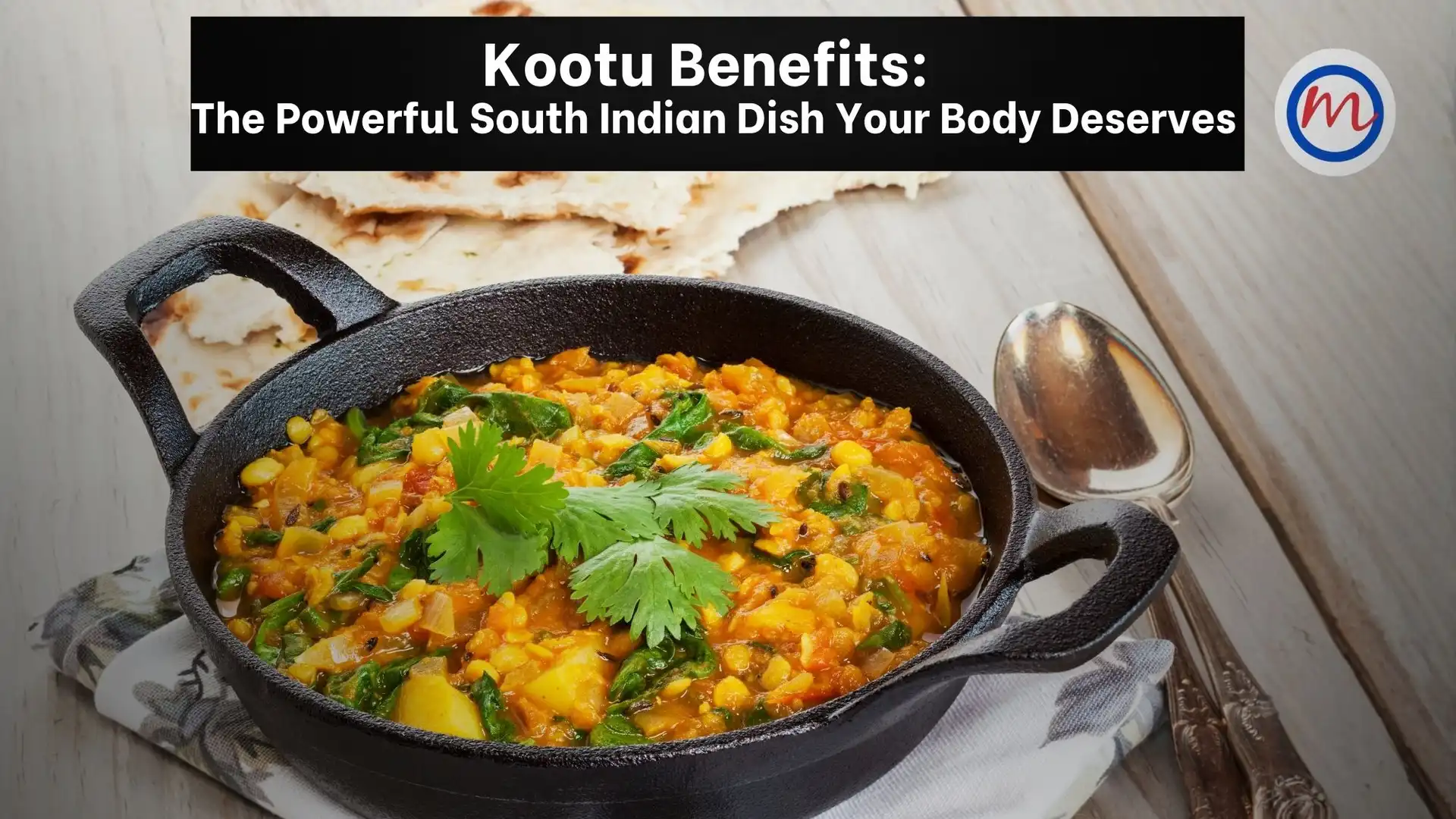
Kootu Benefits: The Powerful South Indian Dish Your Body Deserves
Kootu is one of those dishes that rarely takes the spotlight, yet it is the most dependable part of a traditional South Indian meal. Neither too spicy nor too bland, kootu strikes a perfect balance between flavour and nourishment. It is that comforting bowl that quietly brings protein, fibre and vegetables together — all in one dish.
Traditionally, kootu was prepared with moong dal or toor dal cooked along with seasonal vegetables like snake gourd, cabbage or spinach, finished with a light coconut-based spice mix. The combination gave just the right balance of carbohydrates, proteins and good fats — a perfect example of how traditional diets naturally followed the modern “balanced plate” concept.
Over time, though, kootu has been pushed aside in many homes for quicker curries or gravies. But this humble dish deserves a comeback — not only for its simplicity but also for its impressive nutrient profile. It is ideal for individuals with diabetes or anyone looking for a wholesome, low-oil, protein-rich meal.
Make Your Kootu More Nutritious
- Use a mix of dals like moong, masoor and chana dal to enhance protein quality.
- Add a variety of colourful vegetables — pumpkin, beans, drumstick or spinach for vitamins and fibre.
- Replace coconut paste partly with soya flour or roasted gram to reduce fat and increase protein.
- Season with mustard seeds, curry leaves and jeera in minimal oil for flavour without heaviness.
Nutritive Value (per serving, approx.)
- Energy: 160 kcal
- Carbohydrates: 20 g
- Protein: 8 g
- Fat: 4 g
- Fibre: 3 g
Kootu is the quiet hero that nourishes from within — wholesome, balanced and timeless, just the way traditional South Indian food was meant to be.
Understanding Kootu Benefits in a Traditional South Indian Diet
When you look closely at everyday South Indian meals, kootu stands out as one of the most balanced dishes on the plate. One of the biggest kootu benefits is its naturally wholesome composition — a gentle blend of lentils and vegetables cooked together with minimal oil. Unlike many side dishes that rely on frying or heavy seasoning, kootu depends on slow cooking, making it lighter on the stomach and easier to digest. This mild method also helps preserve vitamins, especially vitamin C, folate, and potassium, which are usually lost in high-heat cooking.
The presence of lentils makes kootu a protein-rich option, especially for vegetarians. Whether made with moong dal, toor dal, or channa dal, each version provides a good amount of plant-based protein. Combined with vegetables such as snake gourd, pumpkin, cabbage, spinach, ridge gourd, or beans, the dish becomes a fibre-rich, gut-friendly addition to daily meals. This balance of macronutrients is one of the strongest kootu benefits, particularly for individuals looking to maintain blood sugar levels or manage weight.
Why Kootu Benefits Matter for Modern Eating Habits
In today’s world, where meals tend to become either carb-heavy or protein-sparse, kootu offers a perfect middle ground. Another one of the noteworthy kootu benefits is its naturally low glycaemic impact. Since it contains dal paired with high-fibre vegetables, the dish is digested more slowly, helping regulate post-meal blood sugar spikes. This makes it a smart choice for individuals with diabetes or those at risk of developing diabetes.
Additionally, the dish uses very little oil — sometimes just half a teaspoon for an entire pot. This reduces unnecessary calories while retaining flavour through spices like cumin, pepper, and coconut. For people trying to reduce cholesterol or improve heart health, these kootu benefits become especially impactful.
Practical Ways to Maximise Kootu Benefits
To increase kootu benefits even more, simple tweaks can be made. Adding leafy greens can boost iron and folate. Using a mix of dals increases protein quality, while including vegetables of different colours enhances antioxidant intake. You can even replace grated coconut with roasted gram powder to reduce saturated fat without compromising taste.
In essence, kootu is more than just a side dish — it is a quiet nutritional hero that can transform any meal into a balanced, wholesome plate.
To know more: https://drmohans.com/
Click to book an appointment: https://drmohansdiabetes.co.in/enroll/?campname=website