7 Smart Ways to Manage January Harvest Festivals and Diabetes
January harvest festivals and diabetes are closely linked due to changes in food choices, meal timing, and physical activity during the winter festive season across India.
January brings a cluster of harvest festivals across India, and while cultural practices differ, their metabolic impact remains similar. Foods rich in rice, jaggery, sesame seeds, ghee, and groundnuts increase carbohydrate and fat intake, while colder weather often reduces physical activity. For people with diabetes, this combination can lead to prolonged blood sugar elevation rather than short-lived spikes. Maintaining regular meals, limiting portions of festive foods, balancing plates with vegetables and protein, and staying active even during winter are essential protective strategies. Regular glucose monitoring during celebrations helps identify trends early and prevents delayed correction. Understanding the relationship between January harvest festivals and diabetes allows people to celebrate tradition confidently while protecting long-term metabolic health.
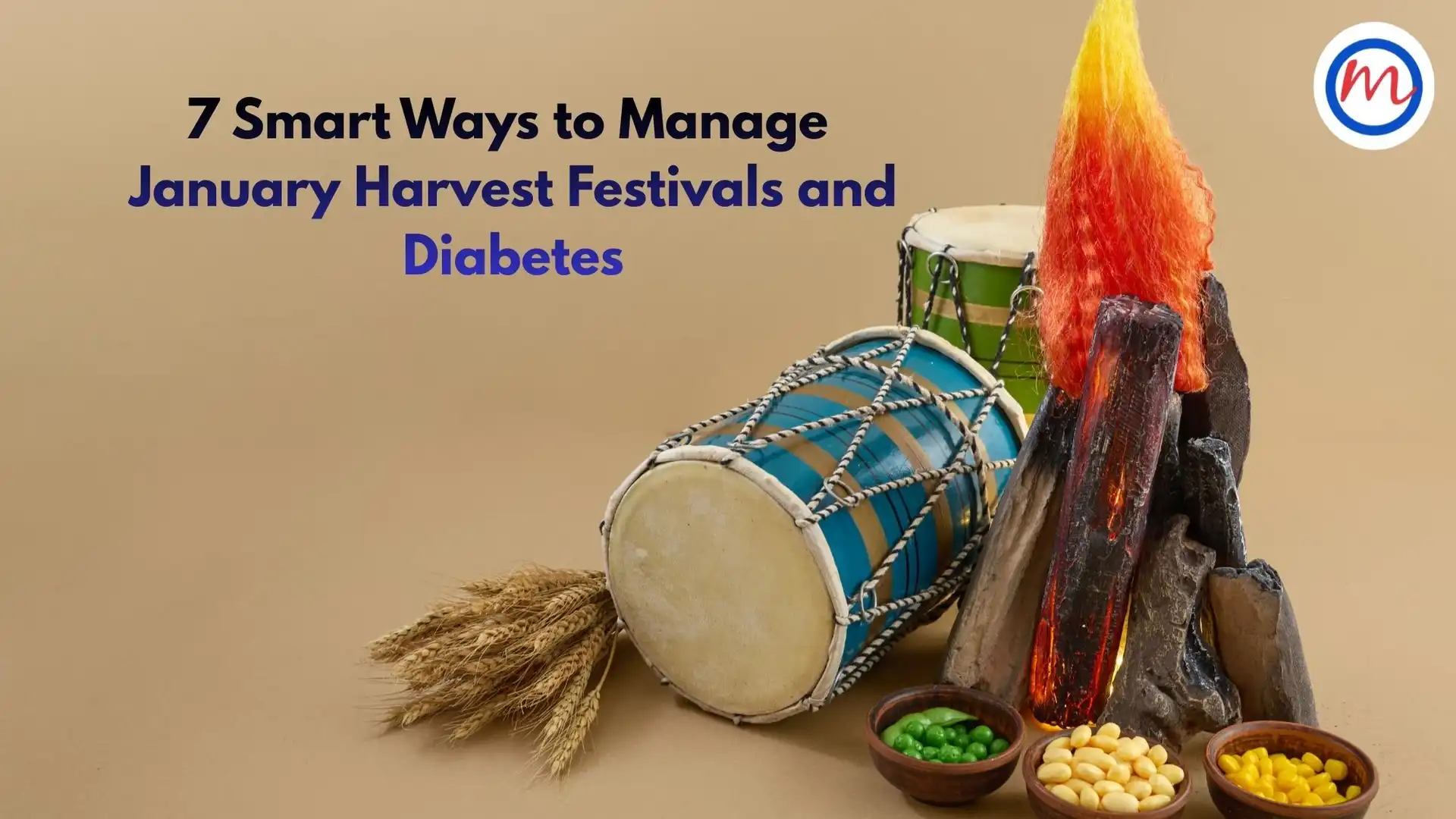
January is a month of harvest festivals across India, celebrated in different names and forms—from Uttarayan in Gujarat and Makar Sankranti in many northern and western states to Pongal in Tamil Nadu and Magh Bihu in Assam. While the customs vary, the food patterns remain surprisingly similar. Meals are rich in rice, sesame seeds, jaggery, ghee and groundnuts. For individuals with diabetes, this seasonal shift in eating habits often leads to unexpected blood sugar fluctuations.
Understanding why January festivals affect glucose control helps people with diabetes celebrate confidently rather than cautiously.
January Harvest Festivals and Diabetes: Why Blood Sugar Fluctuates
January harvest festivals mark abundance after the agricultural season. Naturally, celebrations revolve around freshly harvested grains, energy-dense foods and traditional sweets. These foods are often high in carbohydrates and fats, both of which influence blood glucose levels.
At the same time, winter reduces physical activity. Colder mornings, shorter days and festive routines disrupt regular exercise and meal timings. Together, higher calorie intake and reduced activity increase insulin resistance, making blood sugar control more challenging during this season.
Common food patterns across January festivals
Although festival names differ, the dietary themes remain consistent:
- Rice-based dishes such as pongal, khichdi, pitha and festive rice meals
- Sesame- and jaggery-based sweets such as tilgul, rewri, gajak and laddoos
- Increased use of ghee, oil and groundnuts
These foods are deeply culturally rooted and nourishing, but they require mindful consumption for people with diabetes.
January Harvest Festivals and Diabetes and the Role of Sesame and Jaggery
Sesame seeds are valued for their warming properties and healthy fats. They provide fibre, calcium and energy. Jaggery is traditionally used instead of refined sugar and is believed to be more natural.
However, jaggery still raises blood sugar levels significantly. The combination of sugar and fat delays digestion, leading to prolonged glucose elevation rather than a quick spike. This is why blood sugar readings may remain high for several days after festive eating.
How consecutive festivals affect glucose stability
One festival meal may cause a temporary rise in blood sugar. The challenge arises when celebrations continue over several days. Repeated indulgence without recovery time leads to sustained high glucose levels rather than short-lived fluctuations.
Many people notice that even after returning to normal meals, sugar levels take longer to stabilise during January. This is due to cumulative dietary excess combined with reduced insulin sensitivity in winter.
Managing blood sugar across different regions
Regardless of whether one celebrates Uttarayan, Pongal or Sankranti, the principles of diabetes management remain the same:
- Maintain regular meal timings
- Limit portions of rice and sweets
- Balance meals with vegetables, lentils and protein
- Stay physically active, even in cold weather
Adapting these principles to regional foods makes diabetes care culturally sensitive and sustainable.
The importance of routine during festive seasons
Festivals often disrupt daily routines. Late meals, skipped walks and irregular sleep all influence blood sugar levels. Maintaining routine wherever possible acts as a protective factor against glucose instability.
Even simple habits such as a daily walk, adequate hydration and timely medication intake make a significant difference.
Monitoring during January festivals
Monitoring blood sugar becomes especially important during this season. Checking fasting and post-meal levels during festivals helps identify patterns early and prevents prolonged elevation.
Ignoring high readings with the assumption that they are “temporary” may delay necessary corrections.
When extra caution is needed
Individuals with:
- Poorly controlled diabetes
- Recent medication changes
- Elderly age
- Multiple medical conditions
should approach festive eating with additional care and seek personalised medical advice.
Key takeaway
January harvest festivals celebrate abundance, gratitude, and community. For people with diabetes, understanding seasonal influences on blood sugar allows safe participation without fear. By respecting portion sizes, maintaining routine, and monitoring regularly, traditions can be enjoyed while keeping glucose levels within range.
Final message:
From Uttarayan to Pongal, the joy of harvest festivals need not come at the cost of health. Seasonal awareness is the first step towards balanced celebration.
January harvest festivals and diabetes require special attention because seasonal foods, reduced activity, and repeated celebrations can silently affect glucose control. Understanding how January harvest festivals and diabetes are connected helps individuals make informed food choices, maintain routine, and monitor blood sugar proactively. With mindful portions, balanced meals, and regular movement, January harvest festivals and diabetes management can go hand in hand without compromising cultural traditions or long-term health.
To know more click: https://drmohans.com/
To book an appointment: https://drmohansdiabetes.co.in/enroll/?campname=website