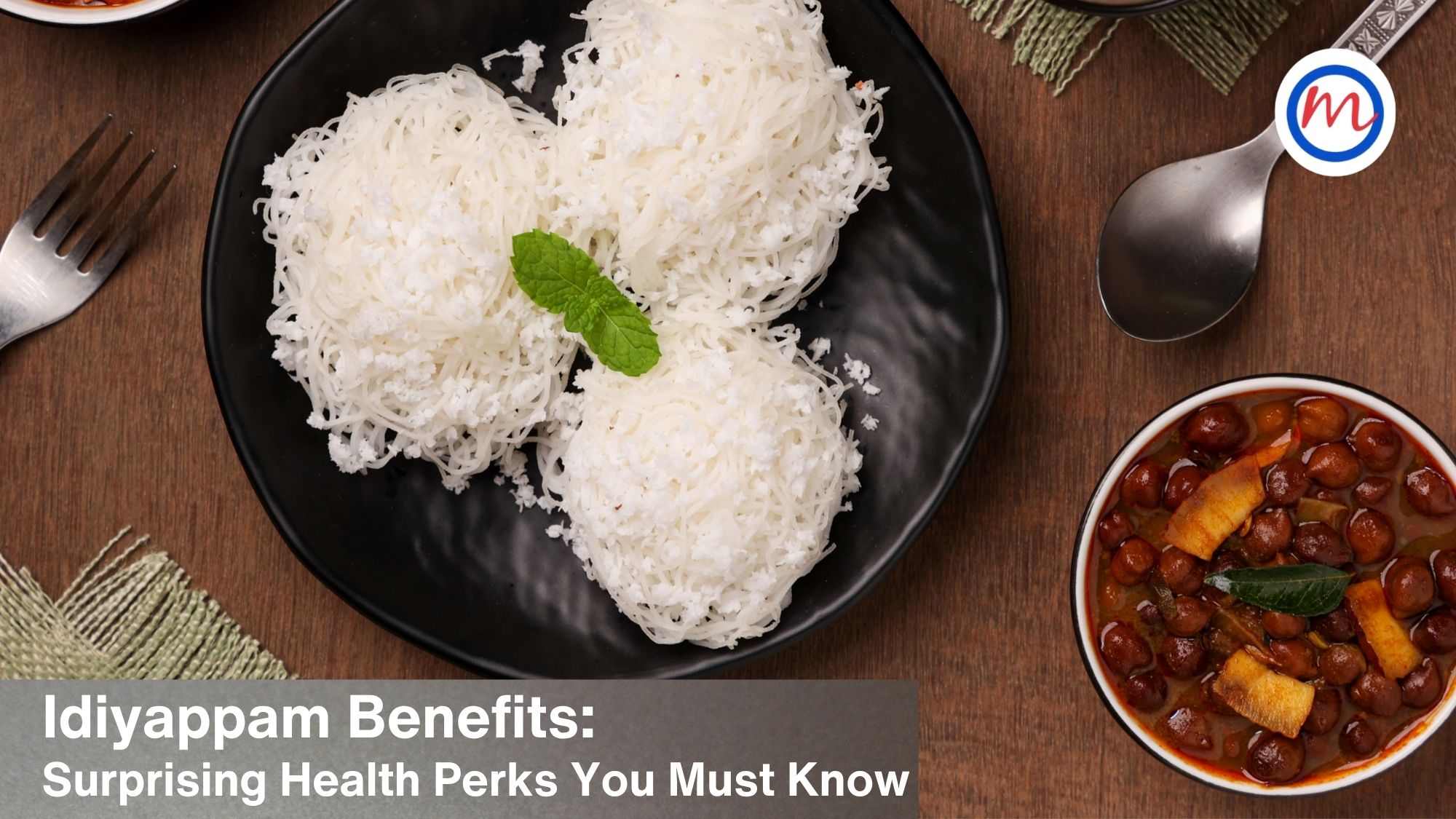
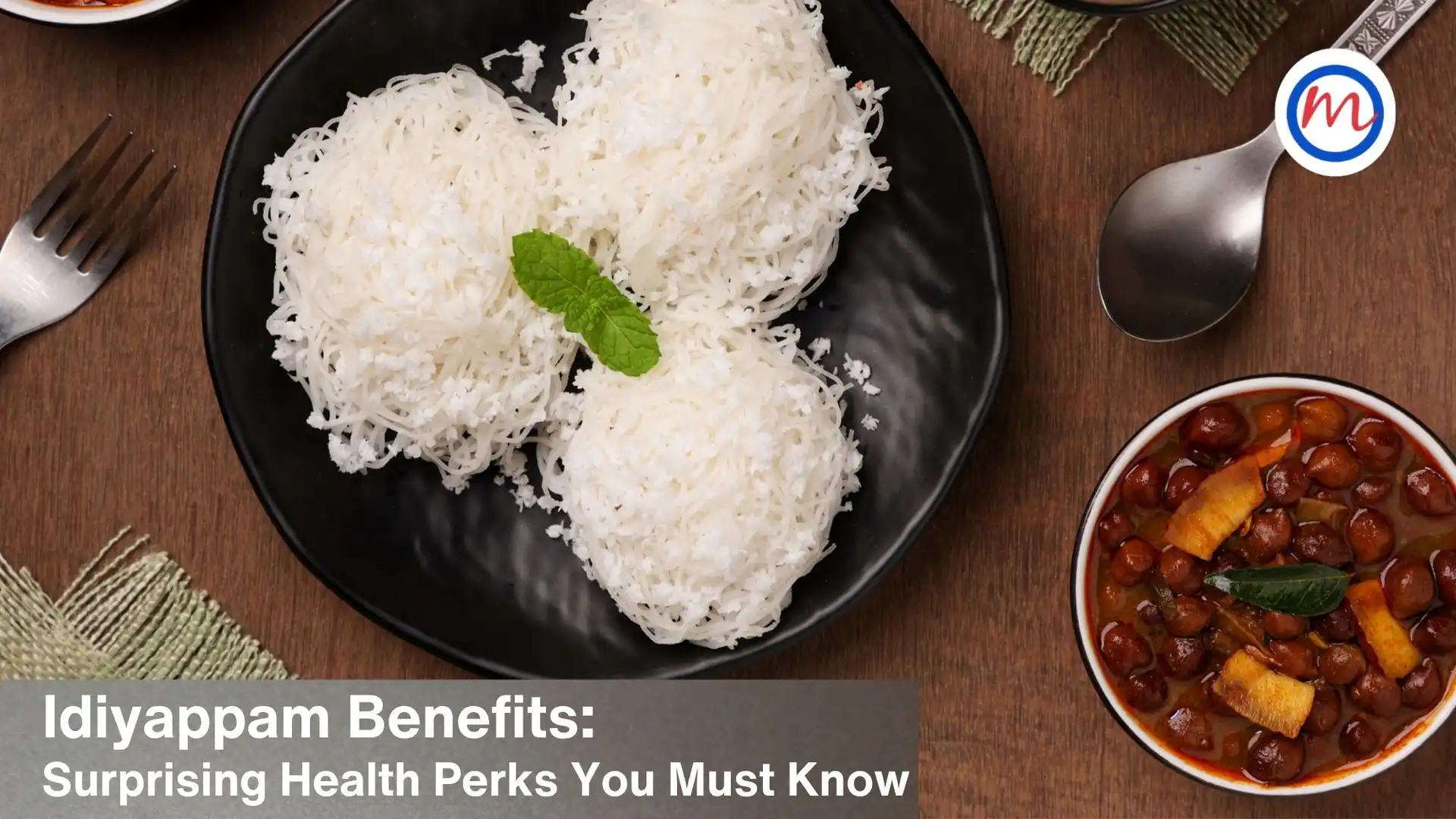
Idiyappam Benefits: 4 Amazing Health Perks You Must Know
Soft, white, and delicate — idiyappam or string hoppers have always been the quiet achievers of South Indian breakfasts. They don’t shout for attention like dosa or vada, but they have earned their place on every dining table for their simplicity, texture, and versatility. Whether paired with vegetable kurma, coconut milk or stew, idiyappam fits in effortlessly.
But here’s the twist — many people believe idiyappam is automatically healthy just because it is steamed. The truth? It depends on how it is made. Traditionally, idiyappam was prepared from hand-pounded red or parboiled rice flour, making it rich in fibre and minerals. Today, most homes and hotels use refined white rice flour, which strips away those nutrients and increases the glycaemic index — not ideal for people watching their blood sugar levels.
Make Your Idiyappam More Nourishing
Idiyappam can still be a healthy meal with a few mindful changes:
- Use brown rice flour, red rice flour or millet flour instead of refined white rice flour.
- Add 1–2 tablespoons of roasted gram flour or soya flour to improve protein content.
- Serve with vegetable kurma, green gram stew or a bowl of curd instead of just coconut milk for a balanced plate.
- Avoid adding too much coconut oil or sugar to the side dishes.
Nutritive Value (per 2 idiyappams, approx.)
- Energy: 180 kcal
- Carbohydrates: 34 g
- Protein: 5 g
- Fat: 2 g
- Fibre: 2.5 g
Idiyappam proves that you don’t need heavy spices or oil to make a meal delicious. With the right flour and pairing, it is a wholesome dish that keeps both your palate and your health happy.
To know more: click https://drmohans.com/
To book an appointment: click- https://drmohansdiabetes.co.in/enroll/?campname=website
1. Idiyappam Benefits for Blood Sugar Control
One of the lesser-known idiyappam benefits is its supportive role in maintaining stable blood sugar levels when paired correctly. Since idiyappam is made from rice flour, people often assume it may cause spikes. However, the preparation method matters. Because idiyappam is steamed instead of fried, it does not carry the added fat load that slows digestion but increases calorie density.
For individuals trying to maintain steady energy levels, pairing idiyappam with high-fibre vegetable kurma, sprouted moong dal curry, or a lightly spiced egg curry can effectively balance the glycaemic load. These combinations reduce rapid glucose release and help prolong satiety. This makes idiyappam a better breakfast choice compared to refined, oily, or deep-fried alternatives commonly eaten in urban households.
2. Idiyappam Benefits for Children and Elderly
Another category that experiences strong idiyappam benefits is children and older adults. The soft texture and mild flavour make it easy to chew, swallow and digest. Children often find heavy breakfasts difficult, especially early in the morning. Idiyappam provides a gentle yet energy-rich start to the day without overwhelming the digestive system.
Elderly individuals with reduced appetite, dental issues or digestive discomfort also find idiyappam comforting. Its simplicity reduces bloating, acidity and heaviness—a common problem with wheat-based or fried breakfast foods. When served with mildly spiced gravies or coconut-based dishes, it becomes an ideal meal that offers strength without strain.
3. Idiyappam Benefits for Individuals Avoiding Oil or Fats
Among the most significant idiyappam benefits is its oil-free preparation. In a world where many dishes rely on shallow-frying, deep-frying or the overuse of ghee, idiyappam delivers pure, clean fuel to the body without added fats. This is especially helpful for individuals following low-fat diets, weight-loss routines or heart-friendly meal plans.
Compared to puris, parathas or dosa varieties made with oil, idiyappam stands out as a clean and naturally low-fat option. When eaten with sides like vegetable stew, kadala curry or even simple dal, it forms a complete meal with balanced macronutrients.
4. Idiyappam Benefits for Cultural and Traditional Eating Patterns
Finally, idiyappam benefits extend beyond nutrition—they preserve culinary tradition. The dish symbolises minimalism and balance, key principles of traditional South Indian food culture. Despite its simplicity, idiyappam offers flexibility across occasions, from weekday breakfasts to festive meals.
Choosing idiyappam allows households to retain a traditional food habit while still meeting modern health expectations. In a time when many people struggle with processed foods, idiyappam represents a safe, heritage-based meal that aligns with clean eating practices.