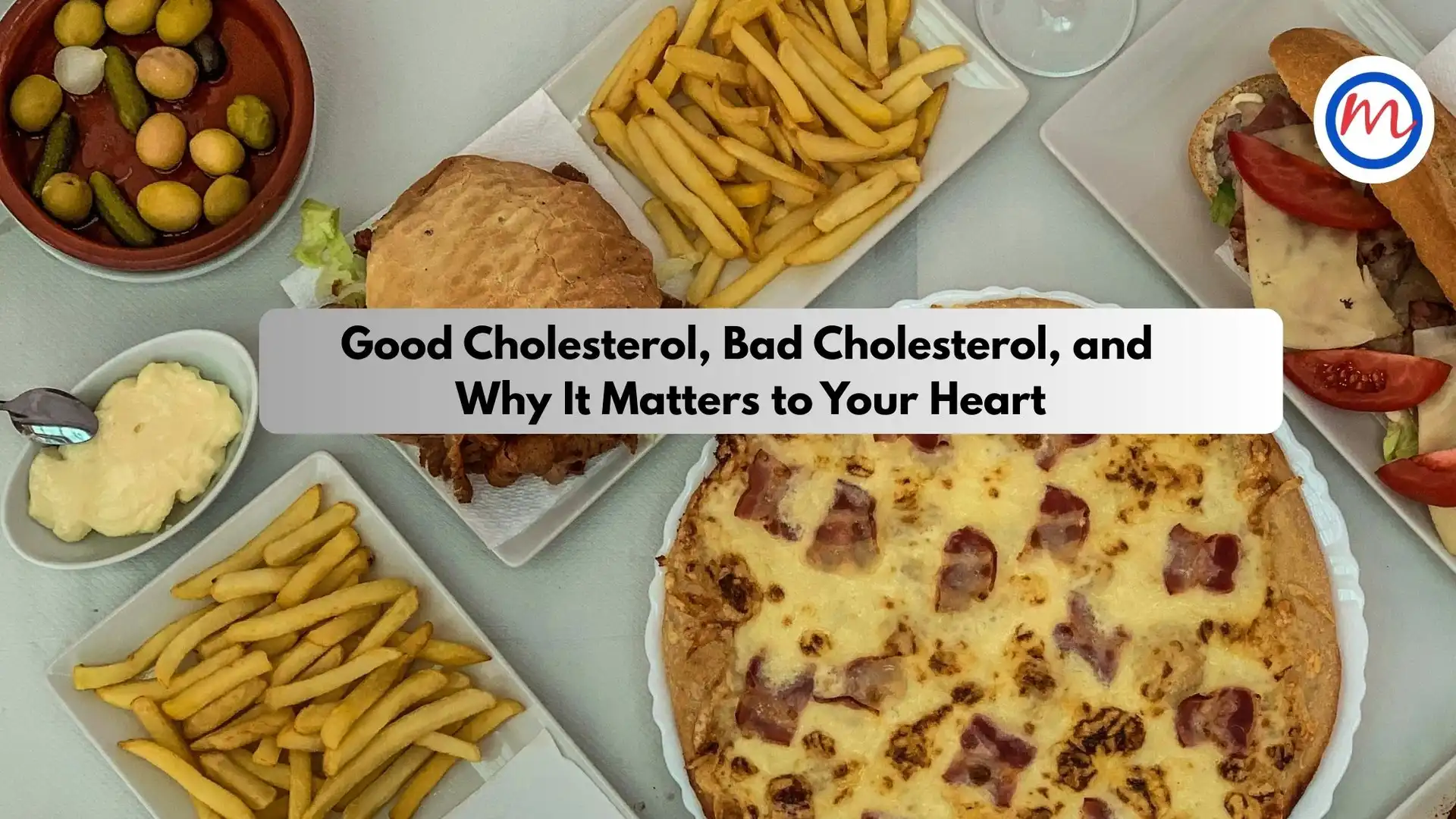
Good Cholesterol, Bad Cholesterol, and Why It Matters to Your Heart
Good cholesterol and bad cholesterol play very different roles in heart health. Many people feel confused when they see terms like LDL, HDL, and triglycerides on their report and wonder which numbers truly matter and why.
Understanding the difference between good cholesterol and bad cholesterol helps people interpret their reports correctly and take early steps to protect heart health.
Good Cholesterol and Bad Cholesterol—Why the Difference Matters
Many people feel confused when they receive their cholesterol report. Terms like LDL, HDL, triglycerides, and total cholesterol can sound complicated, and it is common to wonder: “Which one is actually bad?” or “If my cholesterol is high, does it mean heart trouble?”
Understanding cholesterol in simple terms can help you take better care of your heart—without fear or confusion.
What Is Cholesterol and Why Do We Need It?
Cholesterol is a fatty substance found in your blood. Your body actually needs cholesterol to:
- Build cell walls
- Make hormones
- Support digestion
Your liver produces most of the cholesterol you need. The rest comes from food. Problems arise not because cholesterol exists, but because of how much and what type is circulating in the blood.
The Two Main Types: “Good” and “Bad” Cholesterol
Doctors focus on good cholesterol and bad cholesterol together because the balance between the two determines overall cardiovascular risk.
LDL – The “Bad” Cholesterol
LDL (Low-Density Lipoprotein) is called “bad” cholesterol because:
- It carries cholesterol from the liver to the blood vessels
- Excess LDL can deposit cholesterol on artery walls
- Over time, this leads to narrowing and hardening of arteries
High LDL increases the risk of:
- Heart attacks
- Strokes
- Poor blood flow to organs
In simple terms: too much LDL clogs the pipes.
HDL – The “Good” Cholesterol
HDL (High-Density Lipoprotein) is considered “good” cholesterol because:
- It removes excess cholesterol from blood vessels
- It carries it back to the liver for removal
- It protects against heart disease
Low HDL is risky—even if LDL is normal.
In simple terms: HDL clears the pipes.
What About Triglycerides?
Triglycerides are another type of fat in the blood. They rise when:
- We eat excess carbohydrates or sugar
- Physical activity is low
- Weight increases
- Blood sugar is poorly controlled
High triglycerides:
- Often occur with low HDL
- When present along with high cholesterol, can increase heart disease risk
- Can lead to acute pancreatitis if the levels are extremely high
- Are common in people with diabetes and insulin resistance
Why Cholesterol Reports Look Confusing
Many people focus only on total cholesterol, but this number alone is misleading.
A report usually shows:
- Total cholesterol
- LDL (bad cholesterol)
- HDL (good cholesterol)
- Triglycerides
You may have:
- “Normal” total cholesterol but high LDL
- Acceptable LDL but very low HDL
- Mild cholesterol elevation with high triglycerides
This is why doctors look at the full lipid profile, not just one number.
Why Cholesterol Matters to Your Heart
When good cholesterol and bad cholesterol are not in balance, fatty deposits build up faster in blood vessels, increasing the risk of heart attack and stroke.
Cholesterol directly affects blood vessels. When LDL and triglycerides are high:
- Fatty deposits build up in arteries
- Blood flow to the heart reduces
- The heart works harder
- Risk of heart attack increases
This process is slow and silent. Most people do not feel symptoms until significant blockage occurs.
Why Cholesterol Problems Are Common Today
Modern lifestyles disturb the balance between good cholesterol and bad cholesterol, even in people who eat modestly or appear physically fit.
Modern lifestyle habits play a major role:
- Long hours of sitting
- Lack of regular exercise
- High intake of refined carbohydrates
- Stress and poor sleep
- Irregular meal timing
Even people who eat “less” or appear slim can have unhealthy cholesterol levels due to low activity and insulin resistance.
However, please be aware that in many cases, high LDL and low HDL cholesterol are genetically determined.
How Food Choices Affect Cholesterol (Simply Explained)
What helps:
- Vegetables and fruits (fibre removes excess cholesterol)
- Whole grains in controlled portions
- Nuts and seeds in moderation
- Good fats from nuts, seeds, and small amounts of oil
What worsens cholesterol:
- Fried foods
- Repeated snacking
- Excess sweets and refined carbs
- Large portions eaten regularly
Cholesterol control is more about patterns and portions than occasional indulgence.
How Lifestyle Changes Improve Cholesterol
You don’t need extreme diets. Small, consistent habits help:
Move Regularly
- Walking improves HDL (good cholesterol)
- Activity reduces triglycerides
- Muscles help clear fat from the blood
Eat at Regular Times
- Skipping meals worsens fat metabolism
- Late-night eating raises triglycerides
Manage Stress
- Stress hormones affect fat levels
- Poor sleep lowers HDL
When Medicines Are Needed
Sometimes, lifestyle changes alone are not enough—especially if:
- There is diabetes: if you have diabetes, your cholesterol targets are more stringent. It may be difficult to achieve these targets with lifestyle changes alone, especially if you have a genetic risk of high cholesterol.
- Heart disease risk is high i.e. you also have other risk factors such as strong family history or high blood pressure.
Cholesterol medicines are protective, not a failure. They reduce future heart risk when used correctly.
The Key Takeaway
Cholesterol is not the enemy—but imbalance is.
High LDL and triglycerides damage blood vessels, while HDL protects them. Understanding your cholesterol report helps you focus on the right changes rather than worrying about numbers alone.
With regular movement, balanced eating, stress control, and timely medical advice with or without medication, cholesterol can be managed effectively—and your heart can stay healthy for years to come.
Good cholesterol and bad cholesterol need to be viewed together rather than as isolated numbers. Managing good cholesterol and bad cholesterol through regular activity, balanced meals, stress control, and timely medical care reduces long-term heart risk. Understanding how good cholesterol and bad cholesterol work helps patients focus on prevention instead of fear.
To know more: click: https://drmohans.com/
Click to book an appointment: https://drmohansdiabetes.co.in/enroll/?campname=website
Managing good cholesterol and bad cholesterol is a long-term process that involves food choices, regular movement, stress control, and medical guidance when needed. Focusing only on total cholesterol can be misleading; understanding good cholesterol and bad cholesterol provides clearer direction for heart protection.