Fried Snacks Diabetes Risk: What Happens and Healthier Monsoon Swaps
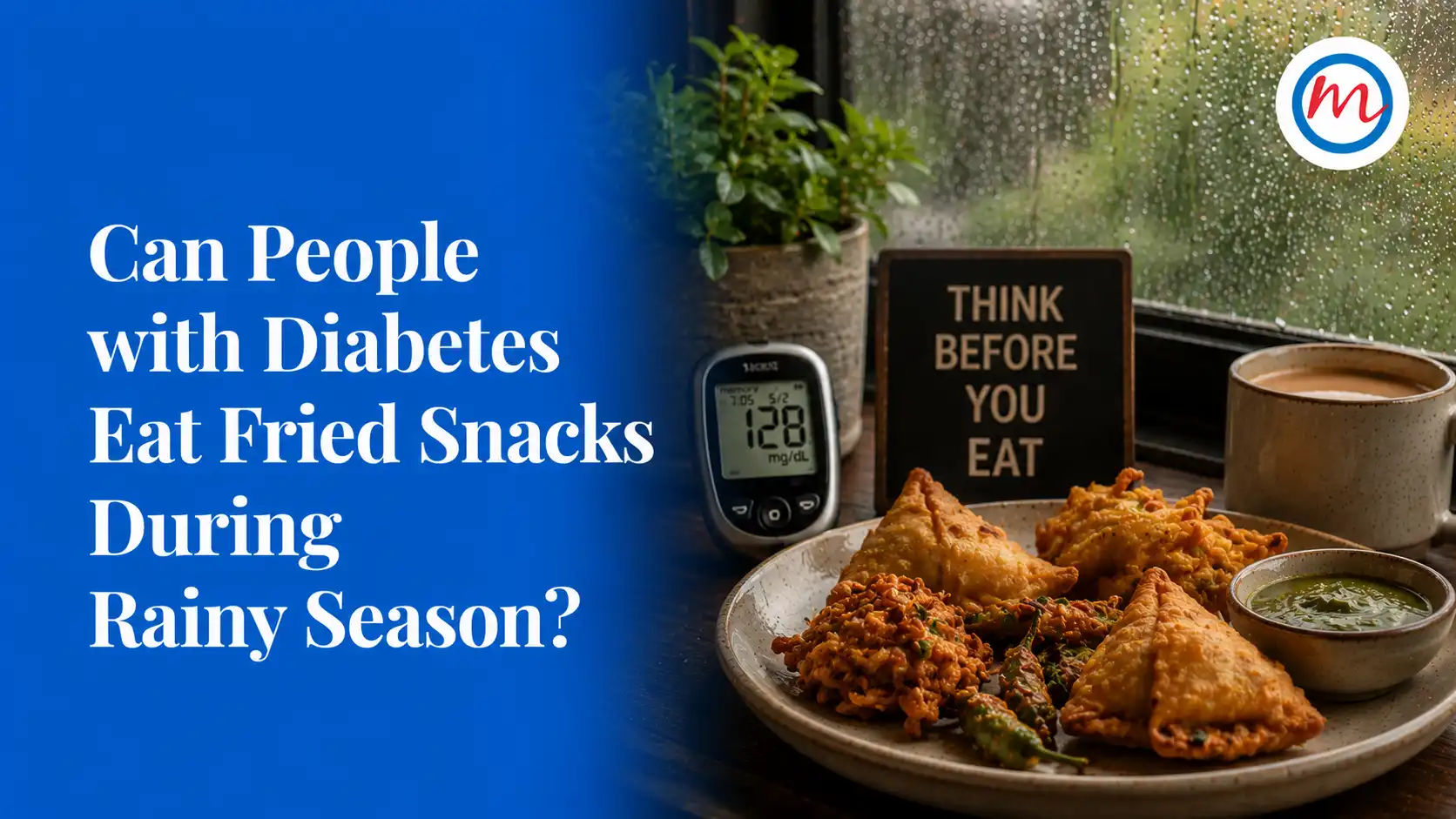
The fried snacks diabetes risk during monsoon is something every individual managing blood sugar needs to understand clearly. The sound of rain hitting the window pane instantly triggers a familiar culinary instinct across Indian households: the craving for something hot, crispy, and deeply savory. Platters of golden-brown pakoras, flaky samosas, spicy bajjis, and crunchy potato chips paired with a cup of hot tea become the center of family life during a monsoon afternoon.
However, if you are living with diabetes, this comforting seasonal routine can feel like an emotional and metabolic battlefield. The smell of hot oil is incredibly enticing, but the fear of a massive blood sugar spike is always present. Let us look closely at why we crave these foods during the monsoon, explore exactly what the fried snacks diabetes connection means for your metabolism, and uncover a range of delicious, crunch-satisfying alternatives that keep your health completely secure.
Why Fried Snacks Are Popular During Monsoon
The urge to consume calorie-dense, fatty foods during the rainy season is not just a habit; it is a physiological response driven by your environment.
When the sky darkens and temperatures drop, your body experiences a natural decline in exposure to sunlight. This drop in sunlight can cause a subtle dip in serotonin, the brain chemical responsible for regulating mood and satiety. To counter this, your body instinctively craves simple carbohydrates and fats, which trigger a rapid release of serotonin, providing a temporary feeling of warmth and emotional comfort. Additionally, your body burns a fraction more energy to maintain its core temperature in cooler weather, which your brain translates into a desire for heavy, calorie-dense foods. This biological pull makes the fried snacks diabetes risk especially significant during the monsoon months.
How Fried Snacks Affect Diabetes
While a hot samosa might satisfy a temporary craving, the fried snacks diabetes impact creates long-term metabolic challenges. According to the American Diabetes Association, diets high in saturated and trans fats significantly worsen insulin resistance over time.
- The High Calorie Burden: Deep-frying forces food to absorb enormous amounts of cooking oil, doubling or tripling its baseline calorie content. Consuming these dense calories consistently during a season when outdoor physical activity is naturally restricted creates a severe caloric surplus.
- The Long-Term Weight Gain Risk: Excess unburned calories from fried snacks are rapidly converted by the liver into visceral fat cells, particularly around the abdomen. Visceral fat acts as an active endocrine tissue, releasing pro-inflammatory chemicals that directly block insulin signaling pathways.
- The Delayed, Sustained Glycemic Spike: Many individuals notice that their blood sugar does not spike immediately after eating a fried snack, leading them to assume the food is safe. This is a dangerous misconception about fried snacks diabetes management. The high fat content in fried food significantly delays gastric emptying, slowing down digestion. The carbohydrate spike is not avoided; it is simply delayed, resulting in elevated, stubborn blood sugar levels that persist for hours into the night.
- Aggravating Insulin Resistance: Most commercial or street vendors fry snacks in industrial seed oils that are reheated repeatedly. This constant reheating damages the oil, generating highly toxic advanced lipid oxidation end-products (ALEs) and trans fats. These compounds trigger systemic oxidative stress, damage vascular linings, and severely worsen cellular insulin resistance.
Healthier Alternatives to Satisfy the Crunch
You do not have to spend your rainy afternoons feeling deprived. Managing the fried snacks diabetes risk does not mean giving up texture and flavor. You can successfully satisfy your craving for warmth and texture by turning to these nutritious, low-glycemic alternatives:
Air-Fried or Baked Whole-Grain Snacks
If you love the crunch of a traditional pakora or cutlet, replicate the texture using modern cooking appliances. Coat sliced vegetables like onions, capsicum, or bhindi in a light layer of fiber-rich gram flour (besan), season with spices, spray with a minimal amount of cold-pressed oil, and air-fry until crisp. This cuts out up to 80% of the hidden fats while delivering the exact same crunch, making it one of the safest fried snacks diabetes swap options available.
Spiced Sprouts Chaat
Take a cup of steamed whole mung or chana sprouts and toss them with finely chopped onions, tomatoes, green chilies, and fresh coriander. Squeeze fresh lemon juice over the top and add a pinch of chaat masala. Serve it warm. The high protein and dietary fiber content in sprouts slows down digestion, keeping your glucose levels flat while providing exceptional satiety.
Traditional South Indian Sundal
Sundal made from boiled black chickpeas (kala chana), white chickpeas, or peanuts is a brilliant monsoon snack for anyone navigating fried snacks diabetes concerns. Lightly temper it with mustard seeds, curry leaves, green chilies, and a small pinch of freshly grated coconut. It is low in fat, highly comforting, and packed with complex carbohydrates and plant-based protein that support stable, long-term energy levels.
Seasoned Roasted Snacks
Ditch the commercial potato chips and packaged namkeens. Instead, keep a dry-roasted stash of fox nuts (makhana), puffed rice (muri), or roasted chickpeas (chana) in your pantry. Toss them in a warm pan with a teaspoon of ghee, turmeric, black pepper, and rock salt for a fast, low-glycemic crunch.
Simple Portion Control Tips for Fried Snacks Diabetes Management
If you do decide to indulge in a traditional fried snack on a particularly rainy day, follow these strict harm-reduction strategies to minimize the damage to your metabolism:
- The One-Piece Rule: Limit your intake to a single, small piece of a fried snack such as one small samosa or two small pakoras. Treat it strictly as a taste accompaniment, never as a meal replacement.
- Never Eat on an Empty Stomach: Eating a high-fat, high-carb fried snack when your stomach is empty causes rapid absorption of refined starch. Eat a small handful of almonds or a bowl of cucumber salad before you touch the fried food to create a protective layer of fiber in your gut.
- Balance Your Next Meal: If you indulge in an afternoon snack, ensure your dinner is exceptionally clean. Skip the rice or roti entirely and focus on a high-protein, fiber-dense evening meal like a large bowl of vegetable soup with paneer or grilled chicken.
- Blunt the Spike with Movement: Never sit or lie down immediately after eating a heavy snack. Engage in 15 to 20 minutes of light indoor movement such as pacing down your hallway, tidying your room, or doing a few gentle indoor stretches to help your muscles immediately clear excess glucose from your bloodstream.
Conclusion
Managing diabetes does not mean you have to completely disconnect from seasonal family traditions. By understanding the fried snacks diabetes risk and learning how to utilize smart kitchen swaps like air-frying, steaming, and dry-roasting, you can fully enjoy the comforting warmth of the monsoon season. Respect your portion limits, stay physically active indoors, and prioritize your long-term metabolic health. The World Health Organization consistently highlights that dietary modifications are among the most effective tools for managing long-term blood glucose levels.
Frequently Asked Questions (FAQs)
Is home-fried food safer for a person with diabetes than street-bought fried snacks?
Yes, home-cooked versions are significantly better because you control the quality of the oil. Street vendors frequently reuse oil multiple times, which generates dangerous trans fats and toxic chemical compounds, making the fried snacks diabetes risk even higher. At home, you can use high-quality, cold-pressed oils and ensure the oil is used only once. However, the total calorie and fat content remains high, so strict portion control is still mandatory.
Why do my blood sugar levels stay elevated the morning after I eat fried food in the evening?
This happens because fats significantly slow down your digestion. While a simple sweet snack causes a rapid spike and subsequent drop, a high-fat fried snack releases its glucose load very slowly over 6 to 8 hours. This delayed absorption, combined with your liver releasing glucose overnight, leads to high fasting blood sugar readings the next morning, a key reason fried snacks diabetes experts warn against evening indulgence.
Can I use healthy flours like ragi or oats to make fried snacks safer?
Using whole-grain flours like ragi, bajra, or oats increases the fiber and micronutrient profile of your snack compared to refined wheat flour (maida). However, if you submerge these healthy flours in deep, boiling oil, they will still absorb a large amount of fat, increasing the total calories. For genuine fried snacks diabetes safety, focus on baking or air-frying these alternative flour preparations.
Are baked potato chips a safe option for individuals managing diabetes?
Not necessarily. While commercial baked chips may contain less fat than deep-fried varieties, their primary ingredient is still highly processed, fast-digesting white potato, which has a very high glycemic index. They can cause rapid blood glucose spikes. It is much safer to choose roasted snacks made from whole legumes, nuts, or seeds when managing fried snacks diabetes cravings.
Don’t Let Rainy Weather Stalemate Your Health Progress!
Changes in weather often disrupt your standard exercise routines and introduce challenging dietary cravings that can impact your long-term blood sugar trends. Take a proactive step for your metabolic health by scheduling a comprehensive checkup at Dr. Mohan’s Diabetes Specialities Centre. Receive advanced medical oversight, precise lifestyle coaching, and personalized dietary strategies from India’s leading diabetes care specialists.
Book your wellness consultation today!