Curd Rice Calories: The Cool Comfort That Balances Your Meal
Curd rice is not just food — it is an emotion for most South Indians. After a heavy meal, a spoon of soft, cool curd rice instantly brings a sense of calm and comfort. Simple, soothing, and satisfying, it is often the final course that completes a South Indian thali.
Traditionally, curd rice was valued for its digestive and cooling properties. The curd (yoghurt) provided probiotics for gut health, while rice offered quick energy. Together, they created a balanced, light meal perfect for hot climates. But over time, curd rice has quietly turned into a lazy lunch option — made with polished white rice, very little curd, and sometimes served with fried accompaniments like papad or pickle that add extra salt and oil.
Make Your Curd Rice Healthier
With a few simple adjustments, curd rice can become a wholesome, balanced dish:
- Use parboiled rice, red rice or millets instead of white rice to increase fibre.
- Add more curd than rice to make it protein-rich and easier to digest.
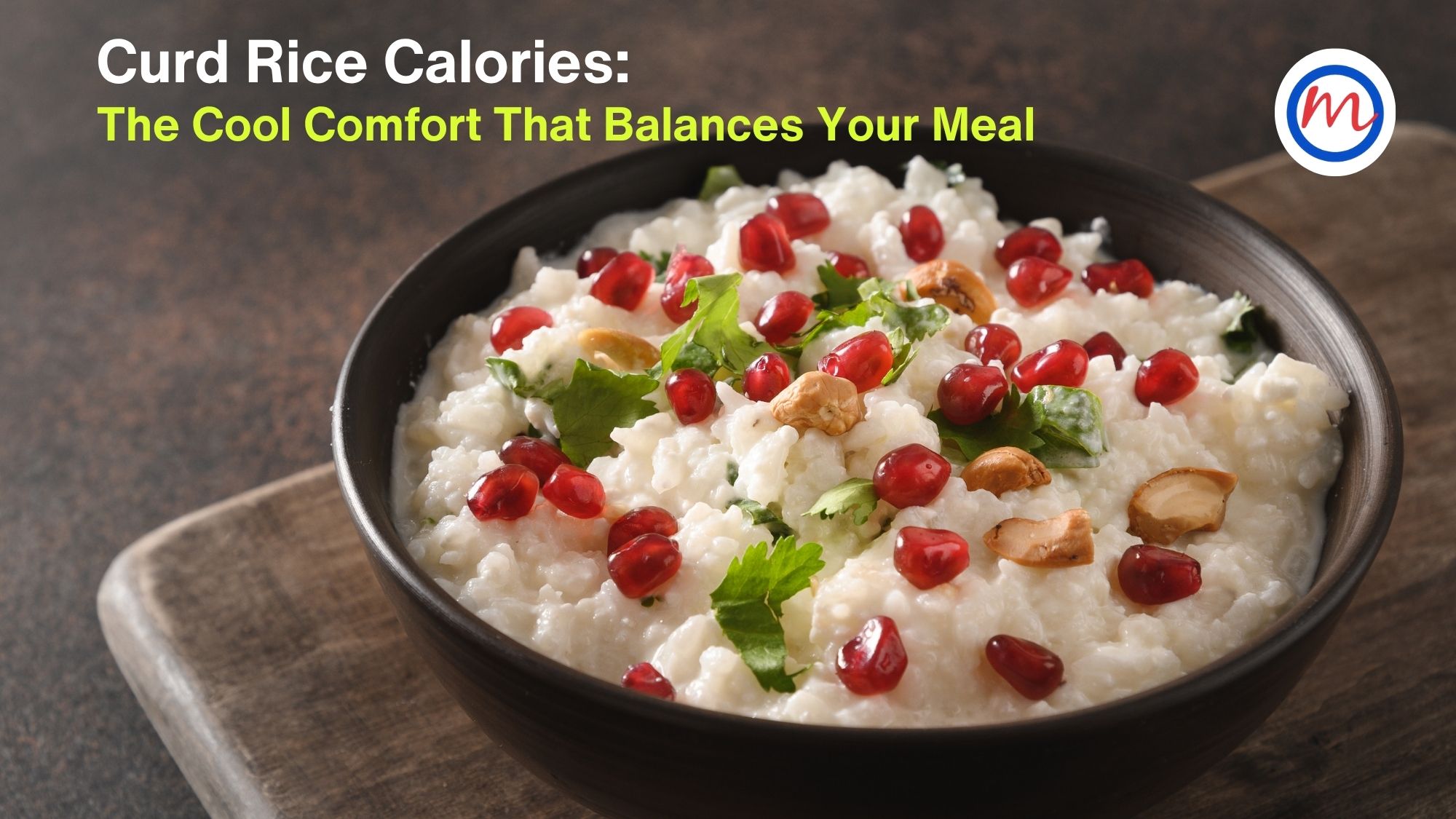
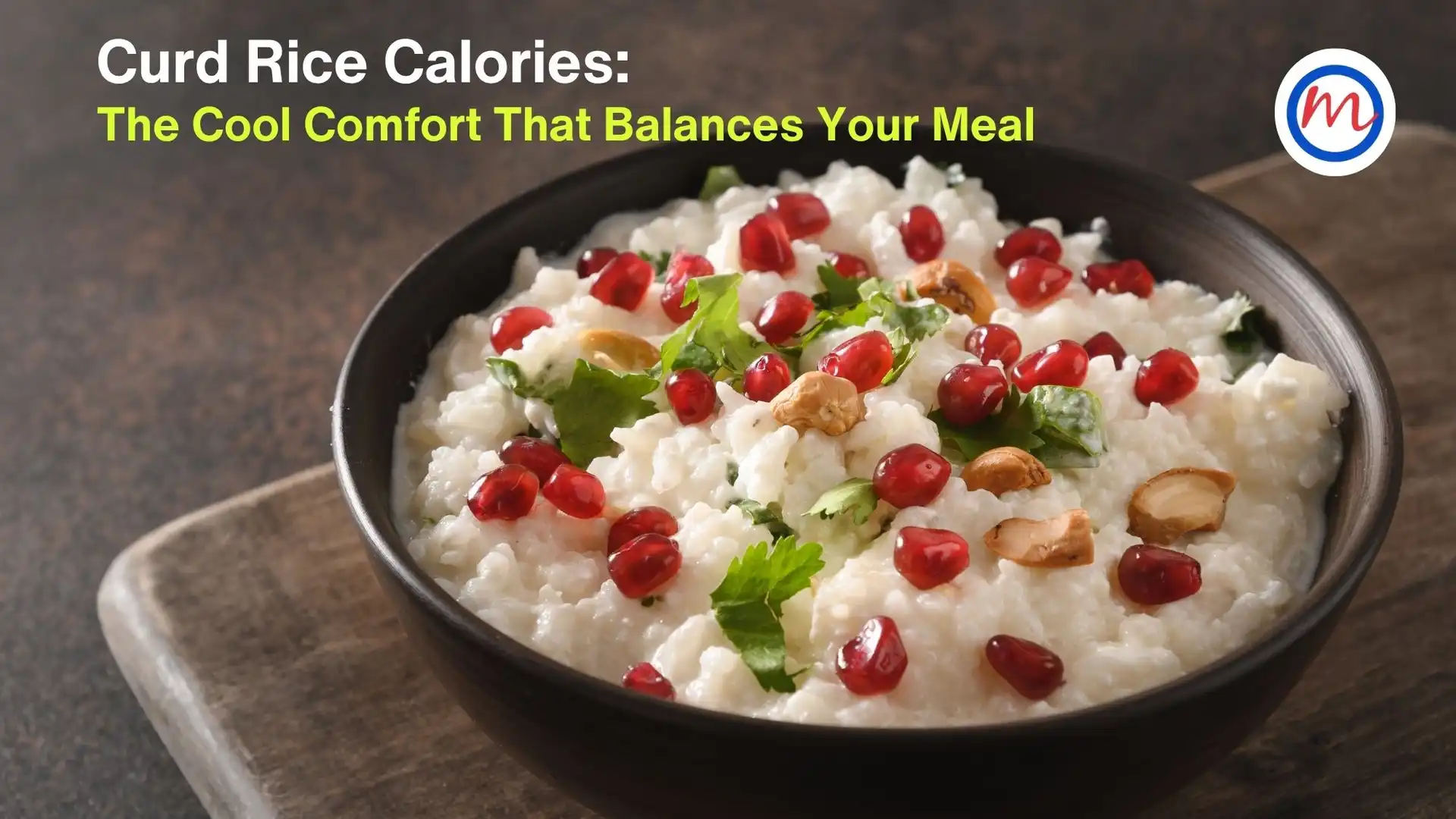
- Mix in chopped cucumber, grated carrot, coriander and pomegranate for colour, crunch, and antioxidants.
- Temper with mustard seeds, curry leaves, ginger and green chilli in just half a teaspoon of oil.
- Avoid adding cream or butter — plain, fresh curd works best.
Nutritive Value (per serving, approx.)
- Energy: 220 kcal
- Carbohydrates: 32 g
- Protein: 8 g
- Fat: 6 g
- Fibre: 2 g
Curd rice is proof that comfort food can also be healing food. When made the right way, it not only cools your body and aids digestion but also helps restore balance — making it the perfect ending to any South Indian meal.
Curd rice is one of the simplest yet most satisfying dishes in South Indian cuisine. Whether enjoyed at the end of a meal or eaten alone on a hot afternoon, curd rice offers cooling comfort, easy digestion and gentle nourishment. But many people are now curious about curd rice calories, nutritional value and whether it supports balanced eating.
Below is a complete, Rank Math–friendly article with subheadings containing your focus keyword.
Curd Rice Calories: Why This Dish Feels Light Yet Nourishing
Curd rice calories mainly come from cooked rice and curd, both of which are naturally mild and easy to digest. A typical serving contains 200–250 calories, depending on portion size and the type of curd used. The cooling effect of curd, combined with the simplicity of rice, makes this dish a comforting choice as part of a balanced meal.
How Ingredients Influence Curd Rice Calories and Nutrition
The calorie count can shift easily based on ingredients. Thick curd adds more calories, while diluted curd lowers the energy value. Adding vegetables like cucumber, carrot or grapes increases fibre without raising curd rice calories significantly. However, extra tempering with oil or ghee can increase total calories, making portion control essential.
Benefits Beyond Curd Rice Calories: Why It Completes Your Meal
Curd rice is valued not only for its calorie profile but also for how it calms the stomach. The probiotics in curd support gut health, reduce acidity and improve digestion. The rice provides steady energy, making curd rice the perfect end to a spicy or heavy meal. It’s also ideal for individuals recovering from illness or digestive discomfort.
Healthy Ways to Reduce Curd Rice Calories Without Losing Taste
You can enjoy curd rice daily by making simple tweaks:
-
Use 50% millets or brown rice to increase fibre.
-
Choose low-fat curd to reduce total curd rice calories.
-
Add more vegetables for bulk without extra calories.
-
Use minimal oil for tempering.
-
Avoid fried items like boondi on the side.
These changes maintain the cooling comfort while improving nutritional balance.
To know more: https://drmohans.com/
To book an appointment: https://drmohansdiabetes.co.in/enroll/?campname=website