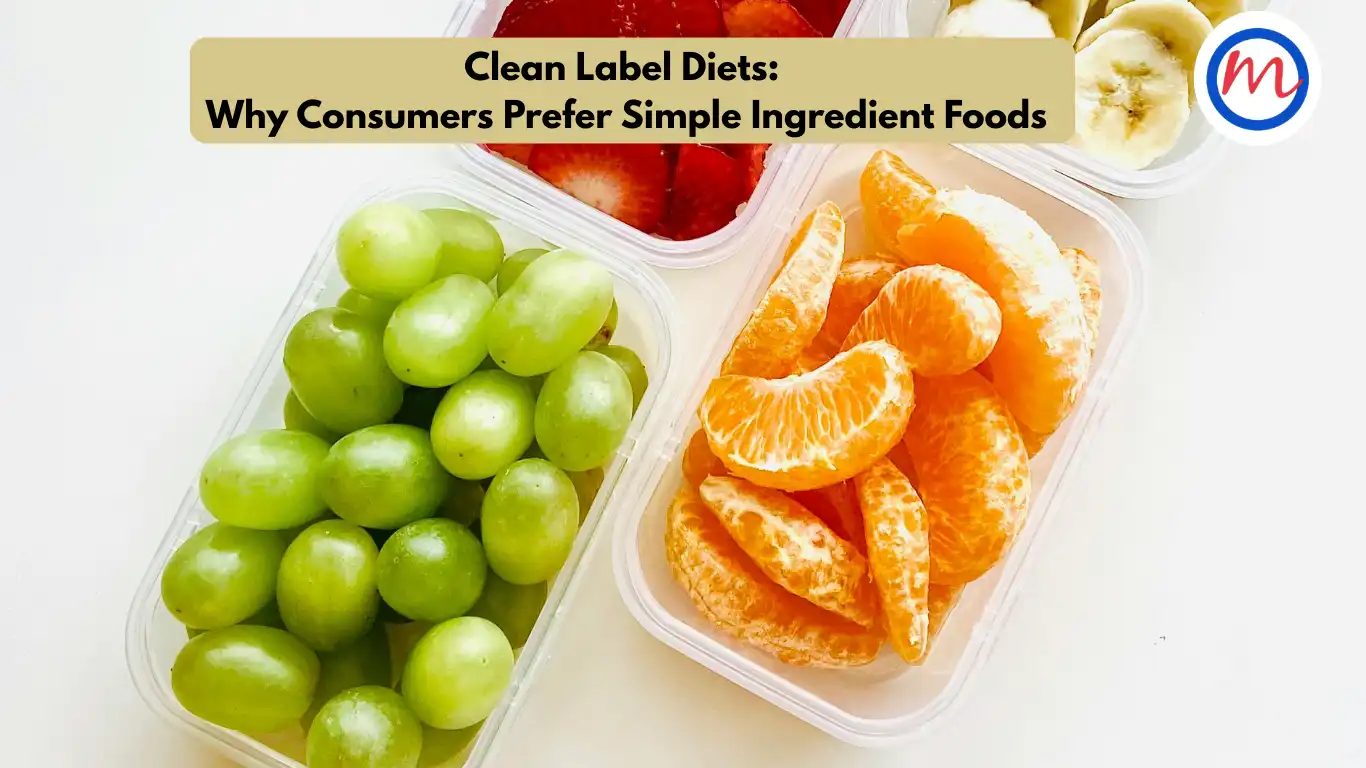
Clean Label Diets: Why Consumers Prefer Simple Ingredient Foods
In recent years, the clean label diet has become one of the fastest growing food trends worldwide. Consumers today are not just interested in taste and price, but also in understanding what goes into their food. As awareness about lifestyle diseases, obesity and metabolic disorders increases, people are actively choosing foods with simple, recognisable ingredients.
A clean label diet focuses on foods that are natural, minimally processed and free from artificial additives, preservatives, colours and flavour enhancers. Instead of complicated chemical names, these products contain ingredients that consumers can easily identify and trust.
What is a Clean Label Diet?
A clean label diet refers to eating foods made with:
- Fewer ingredients
- Natural ingredients
- No artificial preservatives
- No artificial colours or flavours
- Minimal processing
- Transparent food labelling
For example, instead of buying a biscuit containing hydrogenated fats, artificial flavouring agents and stabilisers, a clean label alternative may contain whole wheat flour, butter, jaggery and natural flavouring.
This shift reflects a major behavioural change where consumers want honesty and transparency from food brands.
Why Clean Label Foods Are Becoming Popular
- Rising Health Awareness
People are becoming more conscious about lifestyle diseases such as diabetes, hypertension and obesity. Many consumers now read food labels carefully before purchasing products.
They prefer foods with simple ingredients because they believe these products are healthier and safer.
- Fear of Ultra-Processed Foods
Ultra-processed foods have been linked to poor metabolic health. As a result, many consumers are actively avoiding foods containing long ingredient lists.
The general consumer perception is:
Short ingredient list = healthier food
This belief is strongly driving the clean label movement.
- Demand for Transparency
Modern consumers want to know:
- Where ingredients come from
- How foods are processed
- Whether additives are used
- Whether ingredients are natural
Brands that clearly communicate this information build stronger consumer trust.
- Influence of Social Media Trends
Social media has played a major role in promoting clean eating habits. Influencers and health professionals often promote:
- Ingredient awareness
- Natural foods
- Home-style eating patterns
- Traditional foods
This has encouraged consumers to move toward simple ingredient diets.
- Preference for Traditional and Local Foods
Interestingly, clean label eating is also bringing back traditional food habits. Many people now prefer:
- Millets
- Cold-pressed oils
- Traditional snacks
- Home-made foods
- Fermented foods
These foods naturally align with clean label principles because they contain minimal additives.
Benefits of Following a Clean Label Diet
Better Nutritional Quality
Foods with fewer additives often contain better nutrient profiles. Many clean label foods focus on whole grains, natural fats and plant proteins.
Improved Digestive Health
Highly processed foods may affect gut health. Clean label diets usually include foods rich in fibre and natural nutrients that support digestion.
Better Weight Management
Clean label foods are often less calorie-dense compared to highly processed foods. This may help individuals maintain healthy weight when combined with portion control.
Reduced Chemical Exposure
By avoiding artificial additives, consumers feel they are reducing unnecessary chemical exposure. While regulatory authorities approve food additives, many consumers still prefer natural alternatives.
Psychological Satisfaction
Consumers often feel more confident and satisfied when they understand what they are eating. This psychological trust is a major advantage of clean label foods.
Challenges of Clean Label Diets
Despite the benefits, clean label diets also have some limitations:
Higher cost: Natural ingredients often cost more than artificial substitutes.
Shorter shelf life: Without preservatives, foods may spoil faster.
Misleading marketing: Some brands use the term “natural” loosely without true clean label standards.
Consumers must therefore carefully read labels rather than relying only on marketing claims.
How to Start a Clean Label Diet
Simple steps include:
- Choose foods with fewer than 5–7 ingredients
- Avoid ingredients you cannot pronounce
- Prefer whole foods over packaged foods
- Choose traditional cooking methods
- Read nutrition labels carefully
- Cook more meals at home
Even small changes like switching from flavoured yoghurt to plain yoghurt or from refined snacks to nuts can make a difference.
The Future of Clean Label Eating
The clean label movement is expected to grow further as consumers demand safer and more transparent food systems. Food companies are already reformulating products by removing artificial additives and simplifying ingredient lists.
In India in particular, this trend is expected to grow as awareness about metabolic health increases and consumers move toward preventive healthcare.
Conclusion
The clean label diet is not just a trend but a reflection of changing consumer priorities. People today want food that is simple, honest and closer to nature. By choosing foods with recognisable ingredients and minimal processing, consumers are taking an active role in protecting their health.
As awareness continues to grow, clean label foods are likely to become a standard expectation rather than a premium niche category.
Click to know more: https://drmohans.com/
Click to book an appointment: https://drmohansdiabetes.co.in/enroll/?campname=website