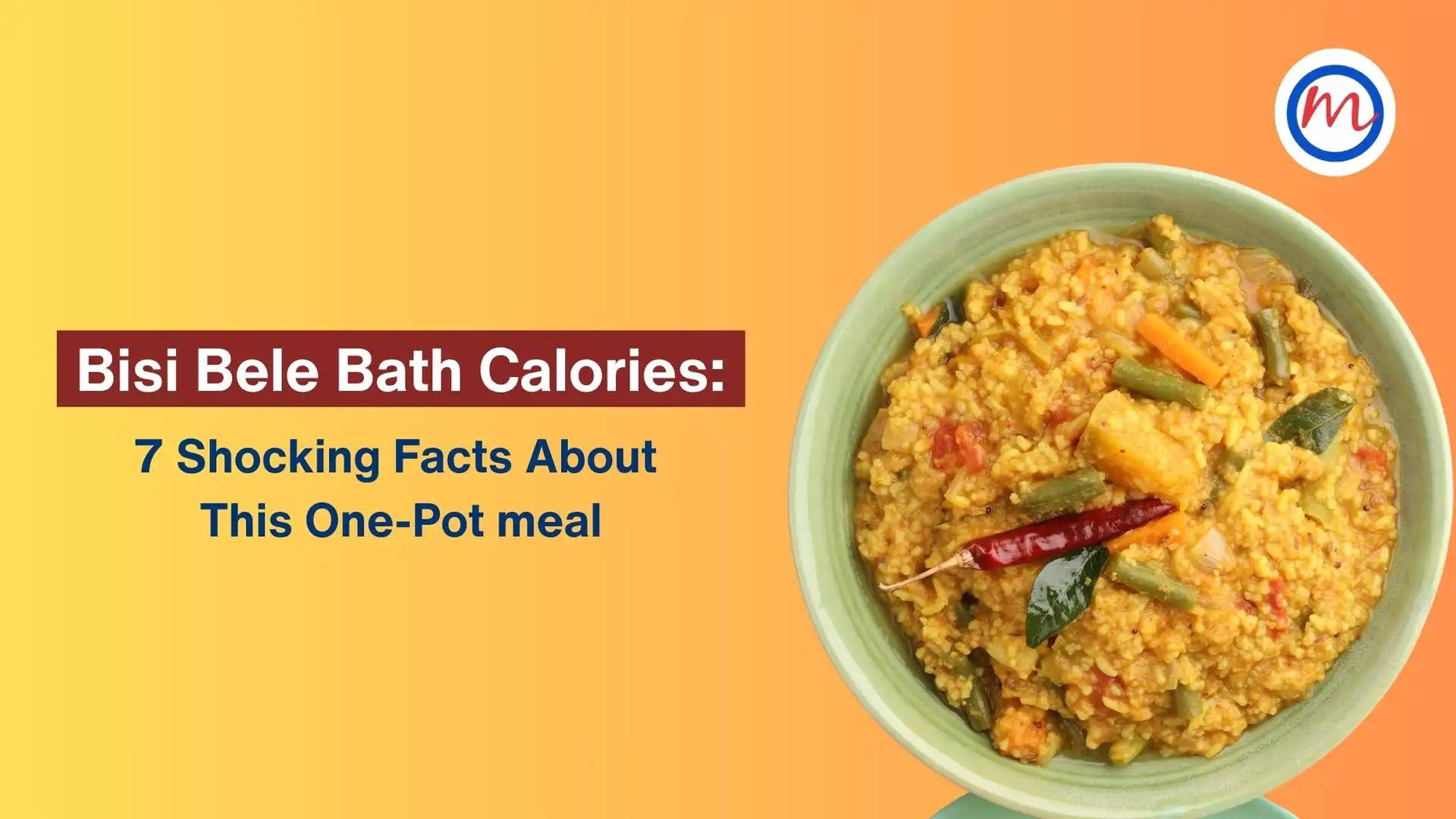
Bisi Bele Bath Calories: 7 Shocking Facts About This One-Pot Favourite
Bisi Bele Bath is comfort in a bowl — warm, aromatic, filling, and bursting with flavour. It is a complete meal by itself, combining rice, dal, vegetables and spices.
But depending on how it is prepared, this popular Karnataka classic can be either a balanced one-pot meal — or a surprisingly heavy calorie bomb.
Let’s break it down.
Why Bisi Bele Bath Can Be a One-Pot Healthy Meal
-
Rice + Toor Dal = Good Balance
The combination gives carbohydrates for energy and plant-based protein for satiety.
-
Loaded with vegetables
Beans, carrot, peas, capsicum, brinjal, drumstick — all add fibre, vitamins and minerals.
-
Spices improve digestion
Tamarind, cinnamon, cloves and methi in the Bisi Bele Bath powder aid gut health.
-
Naturally filling
Since everything is cooked together with water, it keeps you full with fewer portions.
This version is wholesome and balanced.
Where It Turns into a Calorie Bomb
-
Excess ghee
Traditionally, Bisi Bele Bath uses multiple spoons of ghee for aroma and richness. Restaurants add even more to get that glossy texture.
-
Too much rice compared to dal
If rice dominates, the dish becomes high-carbohydrate and low-protein, making you hungry again quickly.
-
Cashews tempered in ghee
A small handful drastically increases calories.
-
Thick consistency
The thicker the dish, the more rice and dal it contains per serving.
-
Papad & boondi on the side
One papad adds 40–60 calories. Boondi adds even more fat.
All of this makes the dish much heavier than it tastes.
How to Make Bisi Bele Bath Healthier
- Increase dal proportion
Use a 1:1 ratio of rice and dal to improve protein. - Add plenty of vegetables
Bulk up the dish with at least 1–1½ cups of mixed vegetables. - Use only 1 teaspoon ghee
Enough for flavour without overload. - Skip cashews or use just 2–3 pieces.
- Make it slightly runny
More water = fewer calories per serving.
Healthy Bisi Bele Bath Recipe (Improved Version)
Ingredients
- Rice – ½ cup
- Toor dal – ½ cup
- Mixed vegetables – 1½ cups
- Bisi Bele Bath powder – 1 tablespoon
- Tamarind – small lemon-sized
- Oil – 1 teaspoon
- Ghee – 1 teaspoon
- Mustard seeds, curry leaves
- Salt – to taste
Method
- Pressure-cook rice and dal together with enough water.
- Cook vegetables separately.
- In a pot, combine rice-dal mixture, vegetables, tamarind extract and masala powder.
- Add water to make it slightly runny and simmer.
- Temper mustard and curry leaves in oil + 1 tsp ghee and add on top.
Approximate Nutritive Value (Per Serving)
- Calories: ~320 kcal
- Carbohydrates: 48 g
- Protein: 10 g
- Fat: 7 g
- Fibre: 5 g
To know more: https://drmohans.com/
To book an appointment: click https://drmohansdiabetes.co.in/enroll/?campname=website
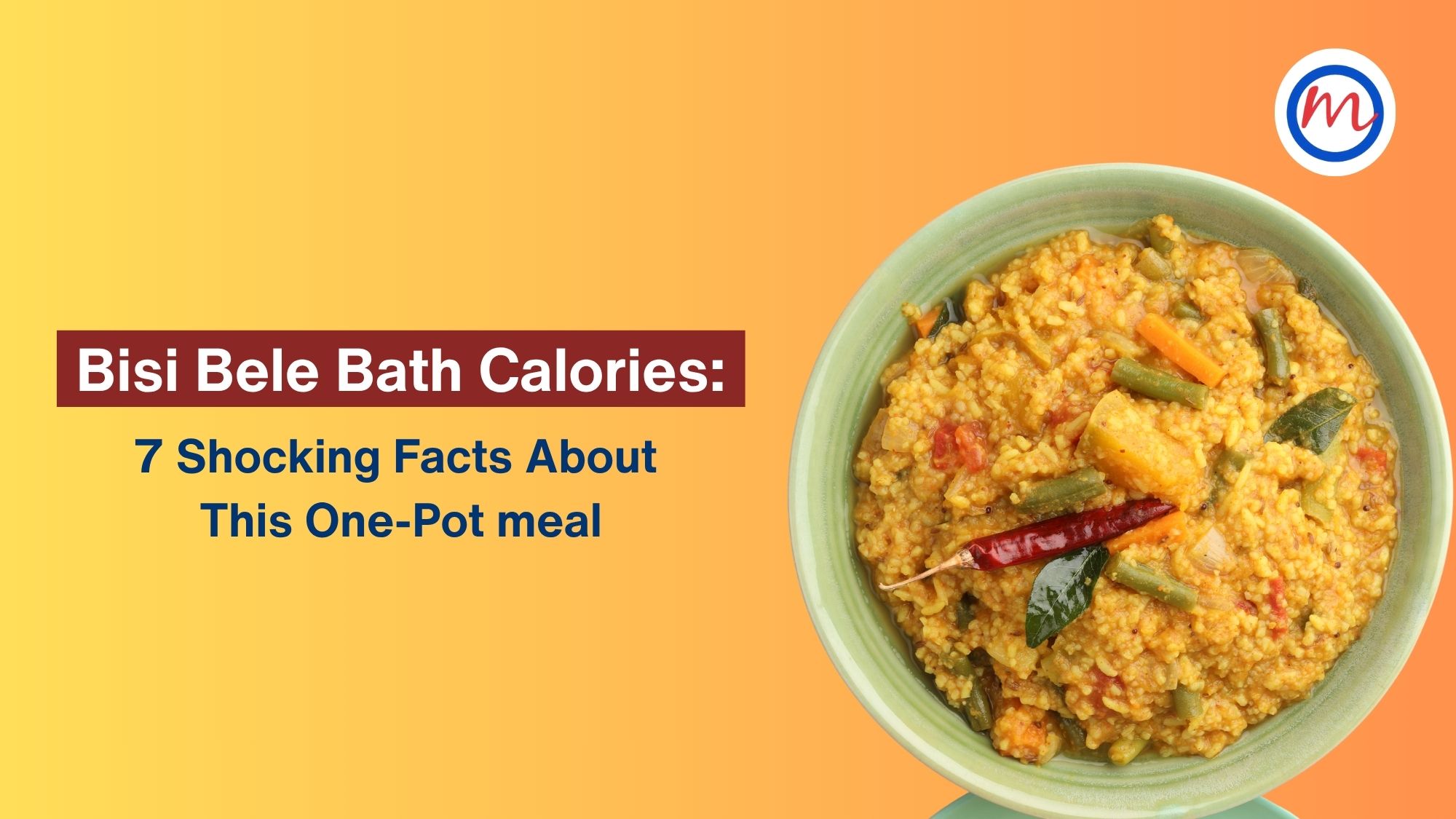
Understanding Bisi Bele Bath Calories in a Traditional Recipe
When people talk about comfort foods in Karnataka, this dish always tops the list — but very few stop to think about bisi bele bath calories. A traditional home-style preparation includes rice, toor dal, vegetables and a generous amount of ghee. While the combination is wholesome, the calorie count can increase rapidly because of the rice-to-dal ratio and the amount of fat used in tempering. On average, one medium serving provides 350–450 calories, depending on portion size and cooking method. Knowing the approximate bisi bele bath calories helps individuals make informed choices without giving up the dish they love.
How Ingredients Influence Bisi Bele Bath Calories
Each ingredient adds its own share to bisi bele bath calories. Rice contributes a major portion of the energy value, while toor dal adds protein and moderate calories. Vegetables increase bulk and fibre without adding too many calories, making them essential for a balanced bowl. However, the calorie load spikes when the dish includes excess ghee, deep-fried cashews or potato-based vegetables. Replacing white rice with brown rice or millets can reduce bisi bele bath calories while improving nutritional value. Increasing vegetables, reducing fat and managing portion size are the simplest ways to enjoy the dish without crossing daily calorie limits.