
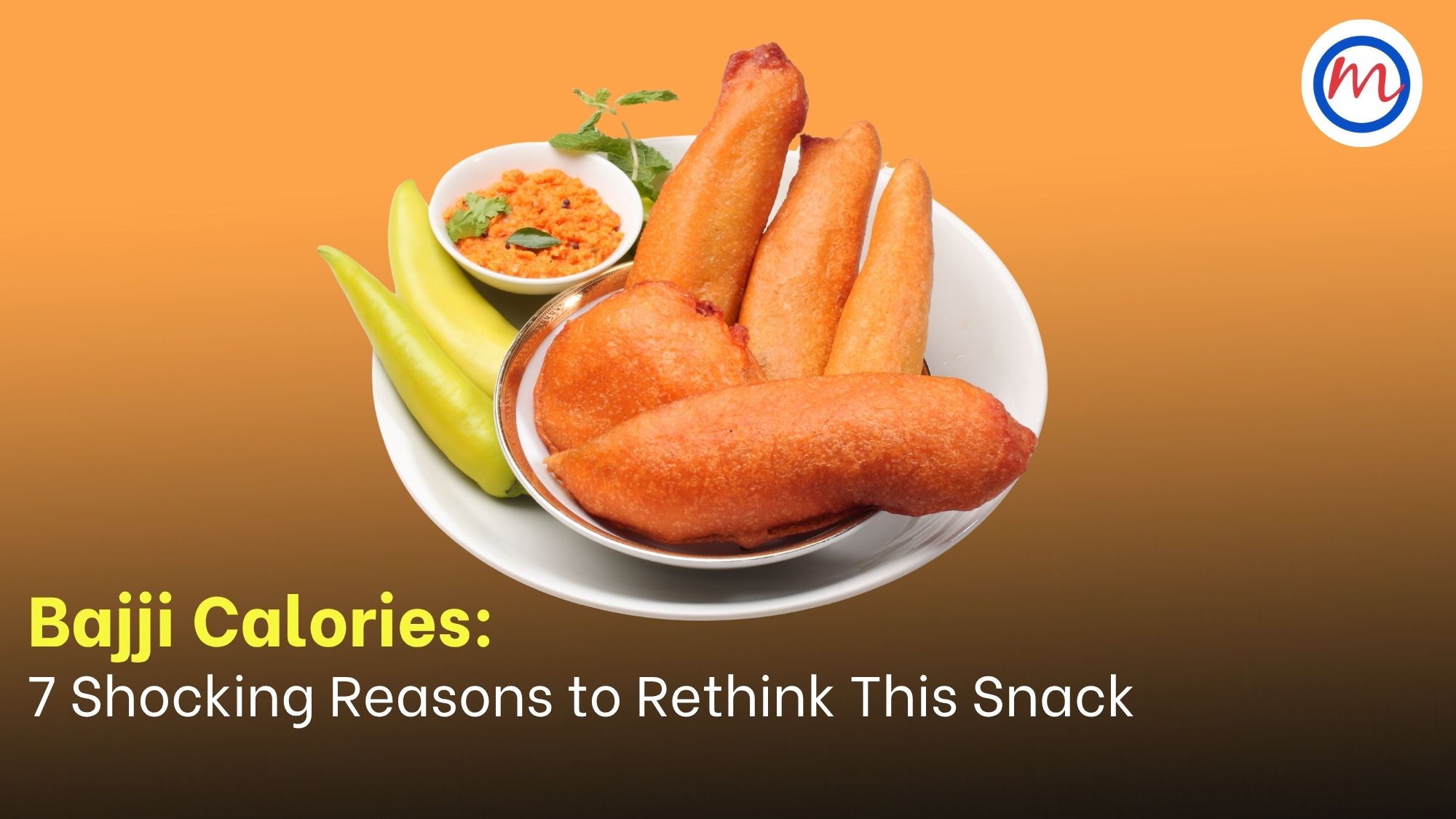
Bajji Calories: 7 Shocking Reasons This Tasty Treat Needs a Healthy Twist
Bajji is one of the most loved snacks across South India. Whether it’s a rainy evening or a family get-together, a plate of hot, crispy bajjis instantly lifts the mood. Made from vegetables dipped in a gram flour batter and deep-fried till golden brown, it is hard to resist the aroma and taste of fresh bajjis.
However, despite its popularity, bajji is not the healthiest choice when eaten often. The gram flour used for the batter is rich in protein and fibre, but the deep-frying process adds a lot of unwanted fat. When oil is reused several times or the bajjis are fried in very hot oil, it can lead to the formation of trans fats that are harmful to heart health. A single medium-sized potato bajji can provide around 150–180 calories, with most of it coming from fat.
How to Make Bajji Healthier
You can still enjoy bajji by making a few changes:
- Use vegetables like brinjal, capsicum, or onion instead of potato to reduce starch and calories.
- Add a tablespoon of soya flour or millet flour to the batter to increase protein and fibre.
- Add ajwain (carom seeds) to make it easy to digest.
- Use an air fryer instead of deep-frying to cut down on oil.
Nutritive Value (per medium vegetable bajji, approx.)
- Energy: 120 kcal
- Carbohydrates: 14 g
- Protein: 5 g
- Fat: 5 g
- Fibre: 2 g
With these small modifications, you can enjoy bajji as an occasional treat without compromising your health. Balanced eating is the key — it is not about avoiding your favourite foods but preparing them the right way.
To know more: https://drmohans.com/
Click to book an appointment: https://drmohansdiabetes.co.in/enroll/?campname=website
Understanding Bajji Calories and Why They Add Up Quickly
Bajji calories may seem harmless at first because each piece looks small and light. But the real issue lies in the deep-frying process. Most bajjis are dipped in a thick besan batter and fried at high temperatures, causing them to soak up a significant amount of oil. This oil absorption doubles or even triples the bajji calories per piece.
A single medium-sized bajji can range from 120 to 180 kcal depending on the type and thickness of the batter. This means that a typical plate of four bajjis can easily touch 500 to 700 kcal—equivalent to a full meal. This hidden calorie load often goes unnoticed, especially during rainy evenings or family gatherings where people tend to eat multiple pieces unconsciously.
How Ingredients and Frying Methods Influence Bajji Calories
Different vegetables contribute differently to bajji calories. For example, onion and potato bajjis tend to contain more calories because their slices are thicker and hold more batter. On the other hand, chilli bajji and brinjal bajji may seem lighter, but once deep-fried, their calorie value rises significantly.
Even the choice of oil affects bajji calories—reheated oil increases trans fats, makes the bajji heavier, and raises health risks. Lower flame frying also increases oil absorption. Many eateries fry in reused oil to save costs, which further adds to unhealthy fats and overall calories.
Simple Tweaks to Reduce Bajji Calories at Home
You can still enjoy this popular snack while reducing bajji calories through a few practical changes. Start by using a thinner layer of batter. A slightly diluted besan mixture reduces oil absorption. Adding spices like ajwain, ginger, and chilli improves digestion without affecting taste.
Using fresh oil and frying on medium heat prevents excessive oil retention. For an even healthier alternative, try shallow frying with minimal oil or air frying, which can reduce bajji calories by nearly 50%. Air-fried bajjis still deliver the same crispness with far fewer calories and fats.
Smart Pairing Choices to Balance Bajji Calories
How you serve bajjis can also impact overall calorie intake. Instead of eating them with heavy coconut chutney, pair them with a simple pudina chutney or tomato dipping. Adding a salad or a bowl of buttermilk on the side helps improve satiety and prevents overeating. Eating bajjis slowly and mindfully also helps reduce portion sizes. These small adjustments ensure that you can enjoy the taste without letting bajji calories derail your health goals.