Adai Protein: 9 Powerful Reasons This South Indian Staple Is a Forgotten Protein Powerhouse
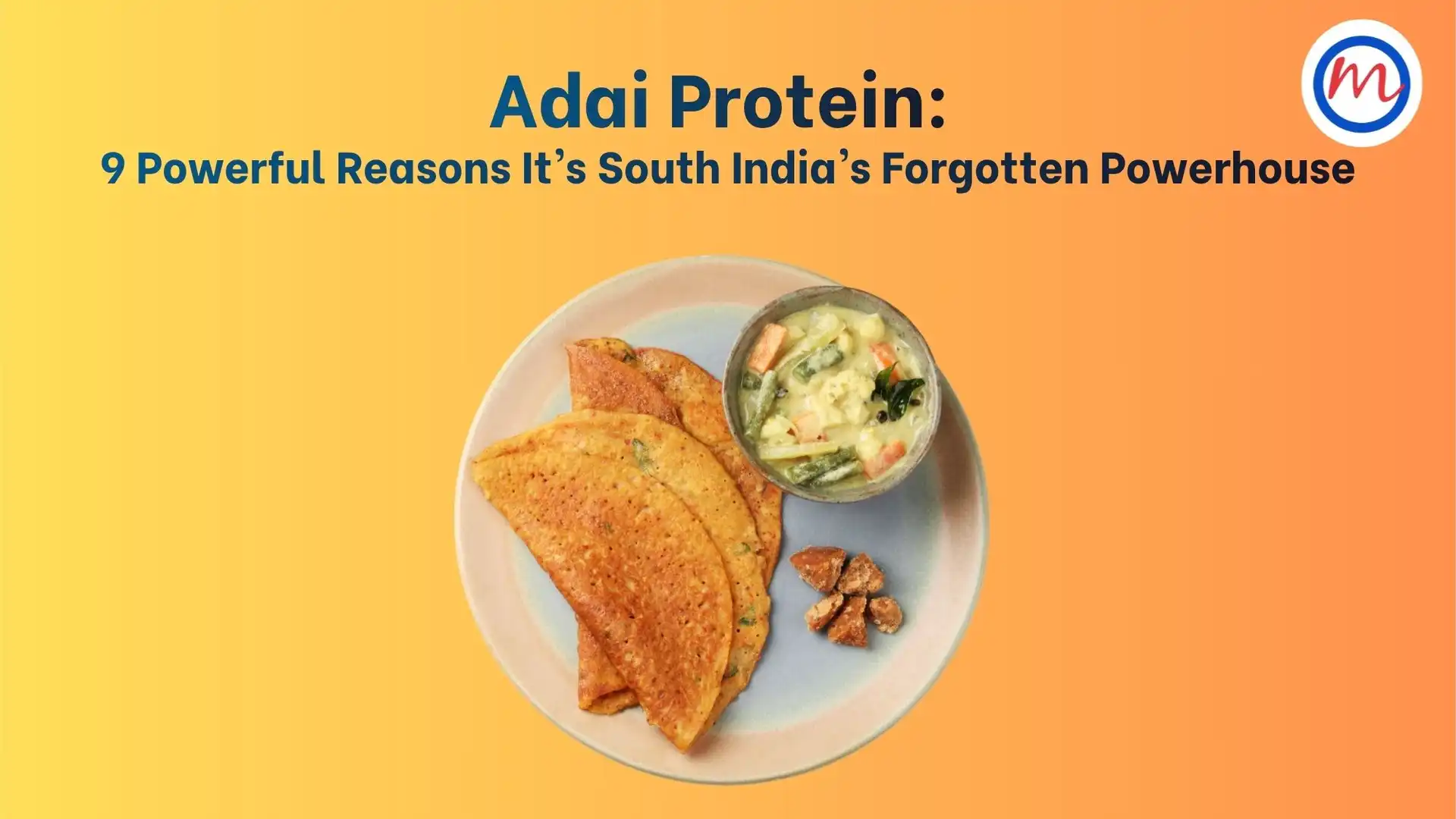
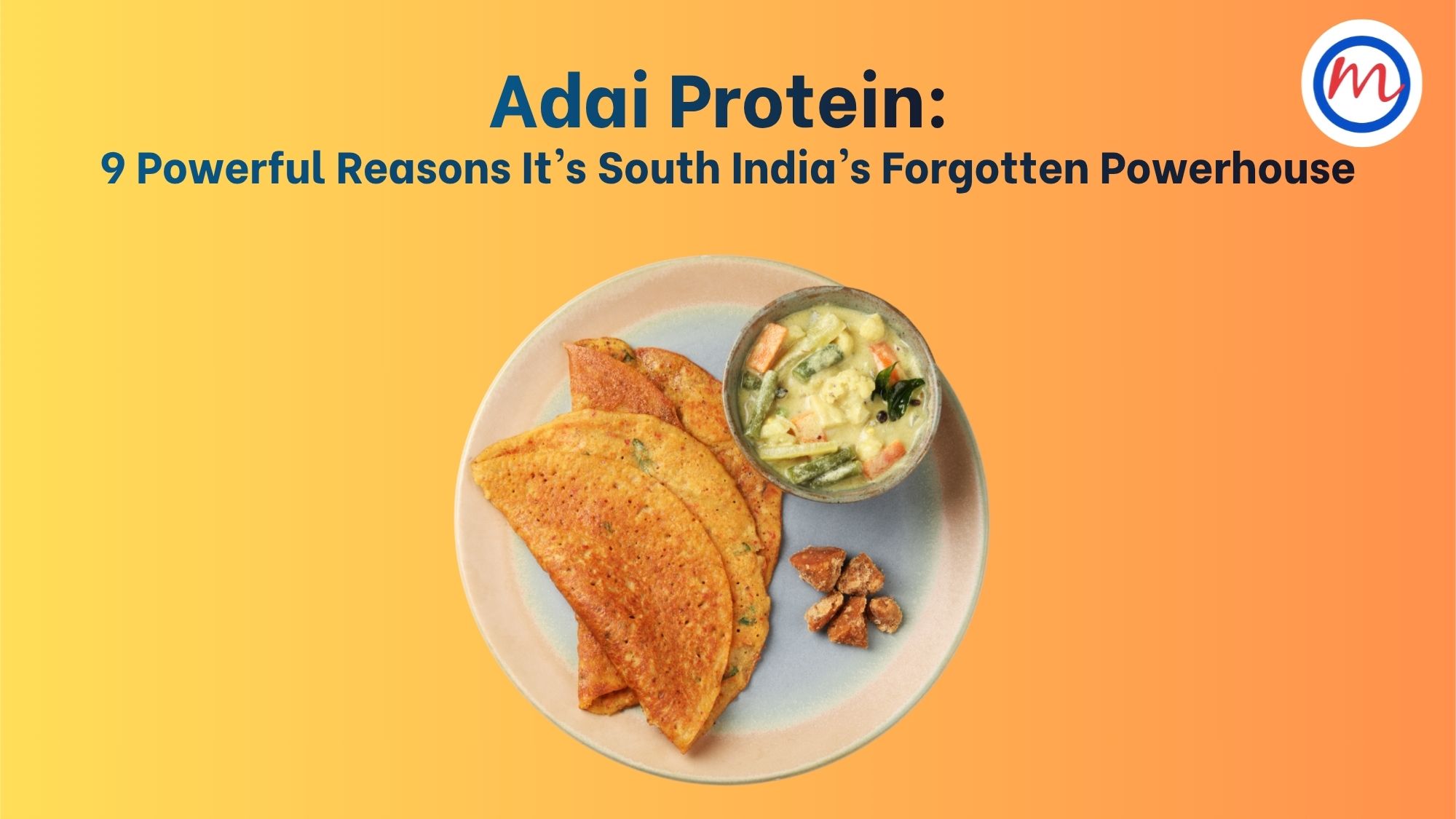
Adai — crisp, golden, and wholesome — is one of those South Indian dishes that perfectly blends taste and nutrition. It looks like a dosa, but is much more than that. Made with a mix of lentils and rice, adai was once a regular in traditional households, especially as an evening meal after a long day of work. Sadly, it has taken a back seat in modern kitchens, replaced by quick mixes and refined carb-heavy breakfasts.
What makes adai truly special is its protein and fibre content. The batter, made with toor dal, chana dal, urad dal and rice, offers a mix of amino acids that balance each other beautifully. Unlike regular dosa batter, adai doesn’t require fermentation — it is soaked, ground, and ready to cook within a few hours, making it both quick and nutritious.
However, many skip adai because they find it heavy or difficult to digest. The secret lies in proportion and pairing. When made with the right dal ratio and served with a light side like aviyal or chutney, adai can be a complete, balanced meal.
Make Your Adai Even Healthier
- Increase the dal proportion slightly to boost protein content.
- Add a spoon of soya flour or sprouted green gram to enrich nutrition.
- Mix in grated carrots, onions, spinach or drumstick leaves for extra fibre and minerals.
- Cook with minimal oil on a cast iron tawa for a crisp yet light texture.
Nutritive Value (per medium adai, approx.)
- Energy: 200 kcal
- Carbohydrates: 28 g
- Protein: 9 g
- Fat: 5 g
- Fibre: 3 g
Adai may not have the glamour of dosa or idly, but it is a quiet winner — hearty, filling, and perfect for anyone looking to add more plant-based protein to their diet.
Learn more: https://drmohans.com/
Book now for appointment: https://drmohansdiabetes.co.in/enroll/?campname=website
Adai Protein and Its Traditional Nutritional Strength
Adai protein has always been one of the most underrated strengths of South Indian cuisine. Unlike dosa batter, which uses mainly rice and urad dal, adai is made from a powerful mix of toor dal, chana dal, urad dal, and sometimes moong dal. This diverse lentil combination naturally boosts the adai protein content, giving it a complete range of amino acids, more fibre, and higher satiety. Many people assume adai is just another type of dosa, but nutritionally, it behaves more like a protein-packed meal that can sustain energy for hours. This is also why adai has been a traditional recommendation for individuals needing more strength, recovery, or steady energy without spikes in blood sugar.
Why Adai Protein Is Superior to Regular Breakfast Options
Most everyday breakfasts like dosa, idli, or poha are primarily carbohydrate-based. In comparison, adai protein levels stand out clearly. The blend of lentils ensures slow digestion, steady release of energy, and better muscle repair. For people aiming for weight management or diabetes-friendly meals, adai protein offers a remarkable advantage because it keeps you full for long and prevents overeating. Adding ingredients like cumin, curry leaves, and onions further enhances the micronutrient value. When paired with avial, which adds vegetables and healthy fats, the entire meal becomes a highly balanced plate.
Simple Ways to Increase Adai Protein Even More
If you want to further elevate the adai protein value, you can try a few simple tweaks at home. Adding two tablespoons of soaked moong dal or masoor dal can increase the protein density without altering taste. Including one tablespoon of besan or soya flour in the batter is another effective method. You can also grind a handful of horse gram ( kollu ) with the lentils for a stronger protein and fibre boost. Serving adai with curd, avial, or a peanut chutney makes the meal even richer in protein, balanced, and ideal for fitness-focused individuals.