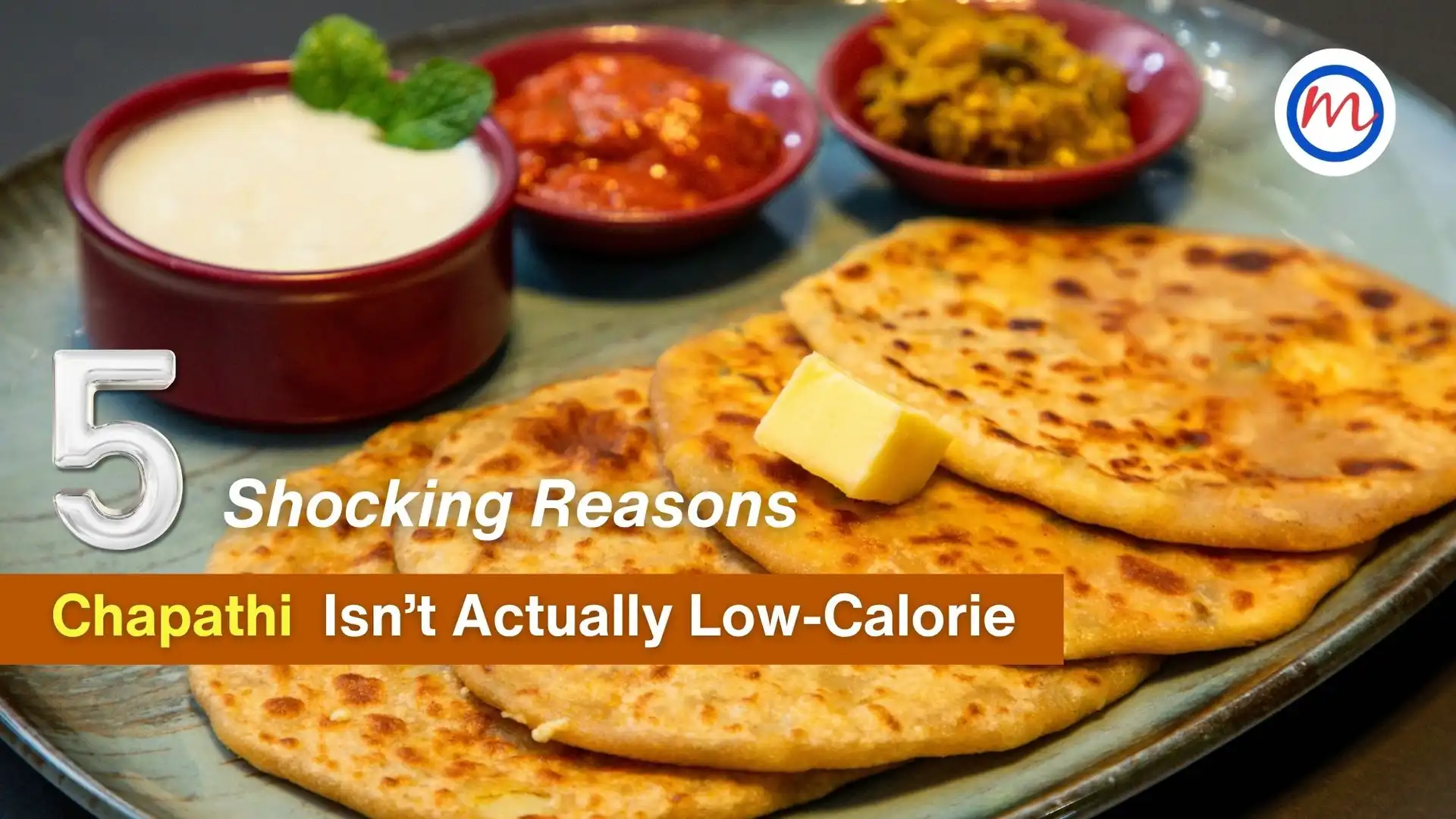
Many people have replaced rice with chapathi in their daily meals, assuming it is a lower-calorie option. While it can be made from whole wheat is indeed rich in fibre and helps in better blood sugar control, it isn’t always the lighter or healthier choice unless prepared the right way.
A plain roti without oil provides around 100–120 kcal, which is nearly equal to a small cup of cooked rice. The real difference lies not in calories, but in nutrient quality and portion size. When chapathi is made with ghee or oil and eaten with heavy gravies or potato-rich side dishes, the overall calorie count shoots up quickly — sometimes higher than a rice-based meal.
The healthier approach is to focus on balanced nutrition rather than elimination. A good mix of whole wheat, millets and protein-rich flours like soya makes roti not only filling but also beneficial for muscle health, metabolism and blood sugar balance. Such a combination provides complex carbohydrates, high-quality plant protein and fibre, which together slow digestion and keep hunger away for longer.
So, instead of simply switching from rice to chapathi, make sure your meal includes a variety of grains, vegetables and protein sources like dal, curd or paneer for true balance.
Healthy Idea: Chapathi can be changed to still more healthy option.It can be made a little low in calories.
Add soya flour to your regular chapathi dough to improve protein content and make it a more balanced dinner option.
Recipe: Protein-Rich Multigrain roti
Ingredients:
- Whole wheat flour – ½ cup
- Jowar flour – ¼ cup
- Ragi flour – 2 tbsp
- Soya flour – 2 tbsp
- Warm water – as required
- Salt – to taste
Method:
- Mix all flours and salt in a bowl.
- Add warm water gradually to make a soft dough.
- Allow to rest for 10 minutes.
- Roll into thin platters and cook on a hot tawa with minimal or no oil.
Approximate Nutritive Value (per serving):
- Energy: 115 kcal
- Protein: 6 g
- Carbohydrates: 18 g
- Fat: 2 g
- Fibre: 3 g
For more information: Visit- https://drmohans.com/blog/
To book an appointment: https://drmohansdiabetes.co.in/enroll/?campname=website
1. One Chapathi Isn’t Always 70–80 Calories — It Can Reach 120–150
Most people think one roti is always low in calories. But:
-
Extra dough
-
More oil while kneading
-
Bigger size
can easily push it to 120–150 calories per chapathi, making 3 chapathis almost equal to a bowl of biryani.
2. Adding Oil or Ghee to the Dough Doubles the Fat
Many add:
-
Oil
-
Ghee
-
Butter
into the dough to make it softer.
This small step doubles the fat content, turning a simple chapathi into a high-calorie meal.
3. Wheat Flour Isn’t Really Low GI When Overeaten
Whole wheat has a moderate GI, but when you eat 3–4 chapathis, your glycaemic load (GL) shoots up, leading to:
-
Higher sugar spikes
-
Hunger within 2 hours
-
Increased cravings
This is why individuals with diabetes sometimes see unexpected sugar spikes after chapathi.
4. Roti Side Dishes Can Make the Meal Heavy
Roti is rarely eaten alone. Typical sides include:
-
Potato masala
-
Chana masala
-
Dal fry with ghee
-
Paneer butter masala
These sides add 150–400 extra calories, making the meal heavier than eating rice with simple sambar.
5. Portion Illusion: People Eat More Rotis Than Rice
Because chapathi feels “light,” people tend to overeat:
-
3–4 chapathis = 300–500 calories
But a controlled bowl of rice (150–180g cooked) is around 180–210 calories and more filling.
So chapathi often leads to overeating without realising it. -
Many people assume choosing chapathi over rice is always healthier, but the truth is more complex. Factors like dough ingredients, hidden oils, oversized portions, and calorie-heavy side dishes can quickly turn a seemingly simple roti meal into a high-calorie dinner.