
What 30+ Years of Diabetes Care Has Taught Us About People
More than 30 years of diabetes care at Dr. Mohan’s Diabetes Specialties Centre has taught us that diabetes is not just a medical condition—it is a deeply personal journey. Behind every blood report and HbA1c value is a person balancing family responsibilities, work stress, food habits, emotional wellbeing, and long-term health concerns.
While diabetes is often discussed through numbers such as fasting glucose or cholesterol levels, three decades of diabetes care show that successful management goes far beyond laboratory values. People with diabetes need understanding, trust, education, and continuous support to manage their condition effectively.
Through 30 years of diabetes care, listening to people with diabetes has shaped how we approach treatment—moving from a purely clinical model to one that values education, emotional health, personalised care, and long-term partnership.
30 Years of Diabetes Care Shows Diabetes Is About People
At Dr. Mohan’s Diabetes Specialties Centre, more than 30 years of diabetes care has taught us one essential lesson: diabetes is personal. Behind every lab report is a person juggling family, work, food habits, stress, finances, and emotions—while trying to manage a lifelong condition.
Diabetes is often spoken about in numbers—fasting glucose, HbA1c, cholesterol. But lived experience tells a different story. People with diabetes need more than prescriptions; they need understanding, trust, guidance, and long-term support. Over three decades, listening to patients has shaped how we care, treat and innovate.
Then vs Now in 30 Years of Diabetes Care
Diabetes care today looks very different from what it did 30 years ago.
| Earlier Years | Today |
| Limited medication options | Multiple targeted drug options |
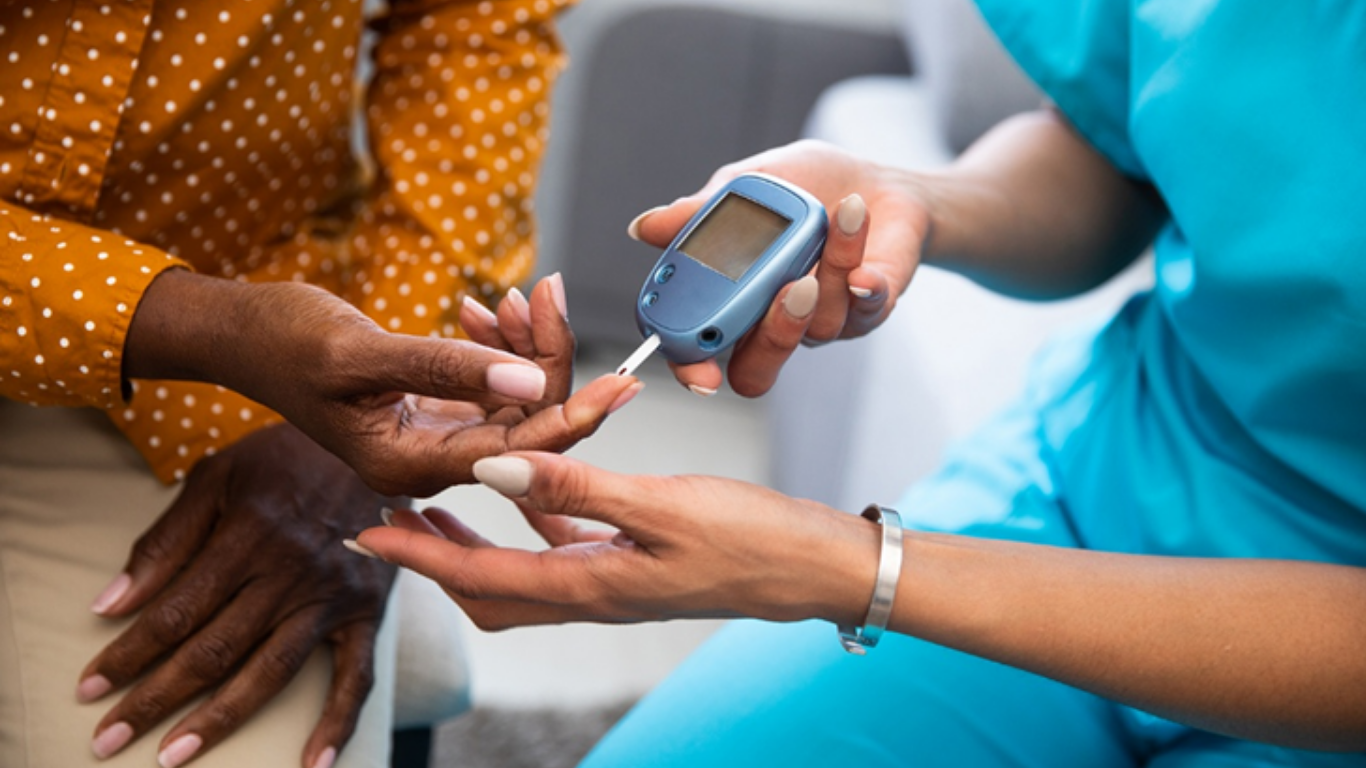
| Finger-prick testing/ laboratory tests only | Continuous glucose monitoring |
| One-size-fits-all diets | Personalised nutrition plans |
| Doctor-driven decisions | Shared decision-making |
| Clinic-only visits | Teleconsultations & digital follow-up |
This evolution has helped people with diabetes live longer, healthier and more confident lives—but only when paired with education and emotional support.
What We’ve Learned About People with Diabetes
- Diabetes Is Emotionally Heavy
Fear of complications, guilt around food and frustration with fluctuating sugars are common. Emotional health and diabetes control are closely connected. Ignoring this link often leads to poor outcomes.
- Access and Awareness Matter
Not everyone has equal access to education, tools or regular follow-up. Simplifying information and meeting people where they are—culturally and socially—makes care more effective.
- Daily Self-Management Is Hard
Managing diabetes is not a once-a-day task. It requires constant decisions—what to eat, when to exercise, how to respond to symptoms. Support systems make all the difference.
The Role of Technology: A Game Changer
Technology has transformed how people understand and manage diabetes.
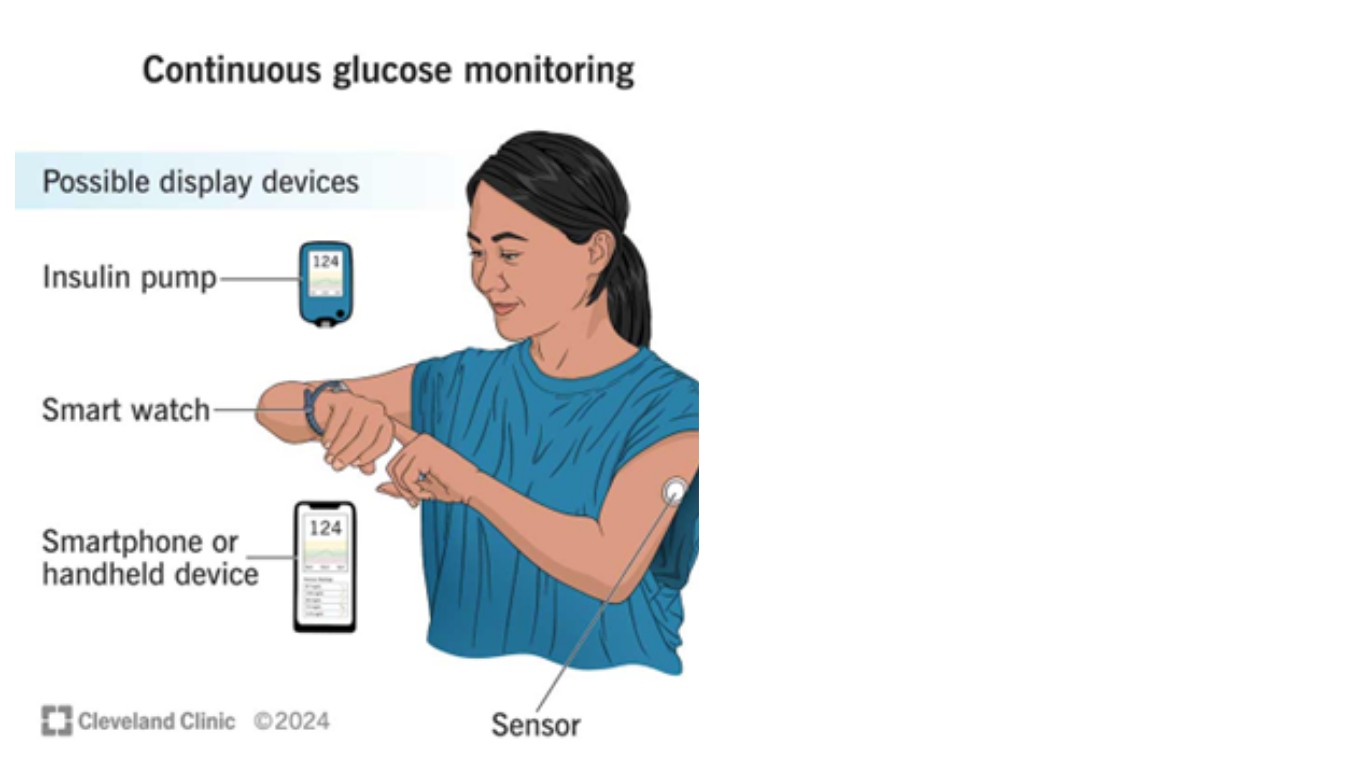
Key benefits of modern diabetes technology:
- Real-time glucose feedback
- Better understanding of food and activity impact
- Early detection of highs and lows
- Improved safety and confidence
However, technology works best when combined with education. Devices inform—but people still need guidance to act wisely on that information.
Why Education and Empowerment Are Central
Education is not a one-time lecture; it is an ongoing conversation.
At Dr. Mohan’s Diabetes Specialties Centre, patient education focuses on:
- Understanding one’s own body
- Making realistic food choices
- Building sustainable activity habits
- Using medicines correctly and safely
When individuals understand why something matters, they are more likely to follow through. Empowered people with diabetes don’t just follow instructions—they participate in their own care.
Stories That Stay With Us
We have seen individuals who once feared food regain confidence through portion awareness. We have seen elders reduce their risk of complications by learning simple daily routines. We have seen working professionals regain balance by understanding stress and sleep patterns.
These are not miracle stories—they are consistency stories. They show that progress, not perfection, leads to better health.
Looking Ahead: The Future of Diabetes Care
The future of diabetes care lies in:
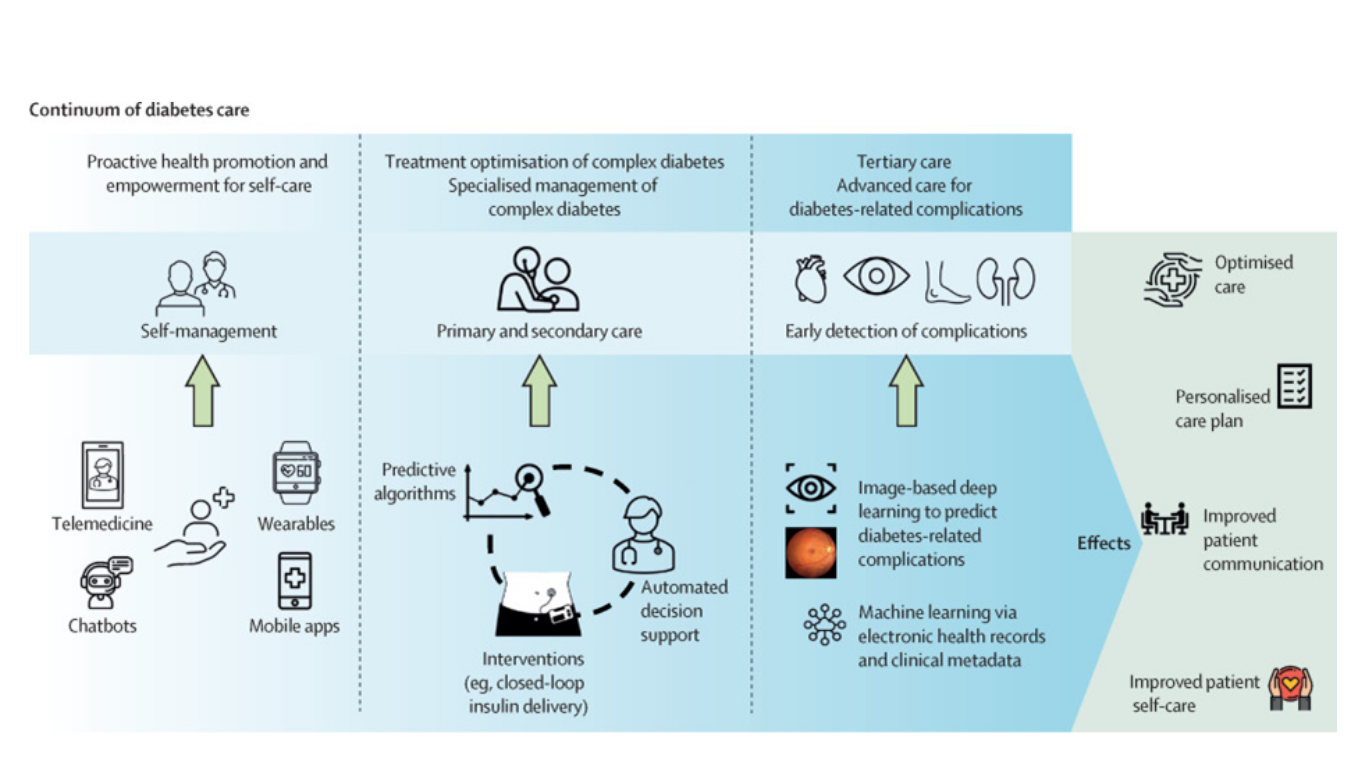
- Early detection and prevention
- Personalised, data-driven treatment
- Integration of lifestyle, technology and medicine
- Stronger community awareness
Artificial intelligence, predictive analytics and digital health platforms will support care—but the human connection will remain irreplaceable.
Final Thought: A Legacy Built on Trust
More than 30 years of diabetes care has taught us that trust changes outcomes. At Dr. Mohan’s Diabetes Specialties Centre, our legacy is built on listening, learning and walking alongside people with diabetes—not just treating them.
Every patient teaches us something new. And those lessons continue to shape a future where diabetes care is not only advanced—but compassionate, practical and deeply human.
To know more: https://drmohans.com/
Click to book an appointment: https://drmohansdiabetes.co.in/enroll/?campname=website